
1920 - Forever

Ray's life unfolded across decades of change, from early short stories to internationally celebrated works. Explore the key moments that shaped his journey and the ideas behind his writing.

1920

Born in Waukegan, Illinois

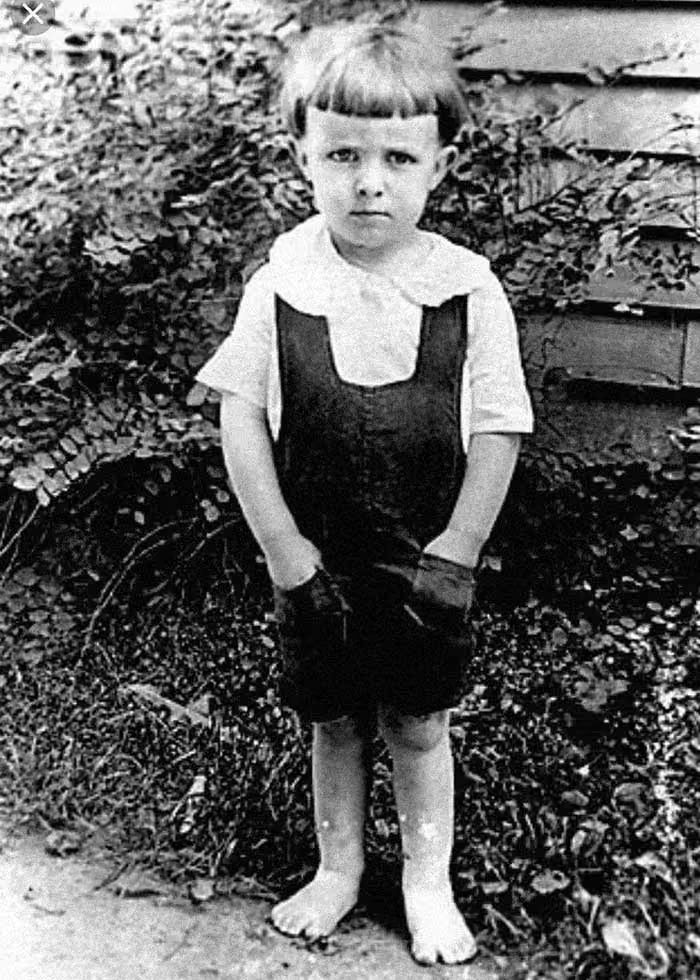
Ray Douglas Bradbury was born on 22 August 1920 in Waukegan, Illinois. His middle name, Douglas, was chosen in honor of the silent film star Douglas Fairbanks, an early sign that storytelling would define his life.

Born in Waukegan, Illinois

Ray Douglas Bradbury was born on 22 August 1920 in Waukegan, Illinois. His middle name, Douglas, was chosen in honor of the silent film star Douglas Fairbanks, an early sign that storytelling would define his life.

"I have total recall. I remember being born. I remember being in the womb, I remember being inside. Coming out was great."

-RB

"I have total recall. I remember being born. I remember being in the womb, I remember being inside. Coming out was great."

-RB

1923

The First Spark

At just three, Ray's mother took him to see Lon Chaney in The Hunchback of Notre Dame. He later called it one of two moments that put him on the path to becoming a writer — the grotesque and the fantastic entered his imagination and never left.

The First Spark

At just three, Ray's mother took him to see Lon Chaney in The Hunchback of Notre Dame. He later called it one of two moments that put him on the path to becoming a writer — the grotesque and the fantastic entered his imagination and never left.

"If i could have chosen my Birthday, Halloween would be it"
-RB
1928

The Grandest Halloween

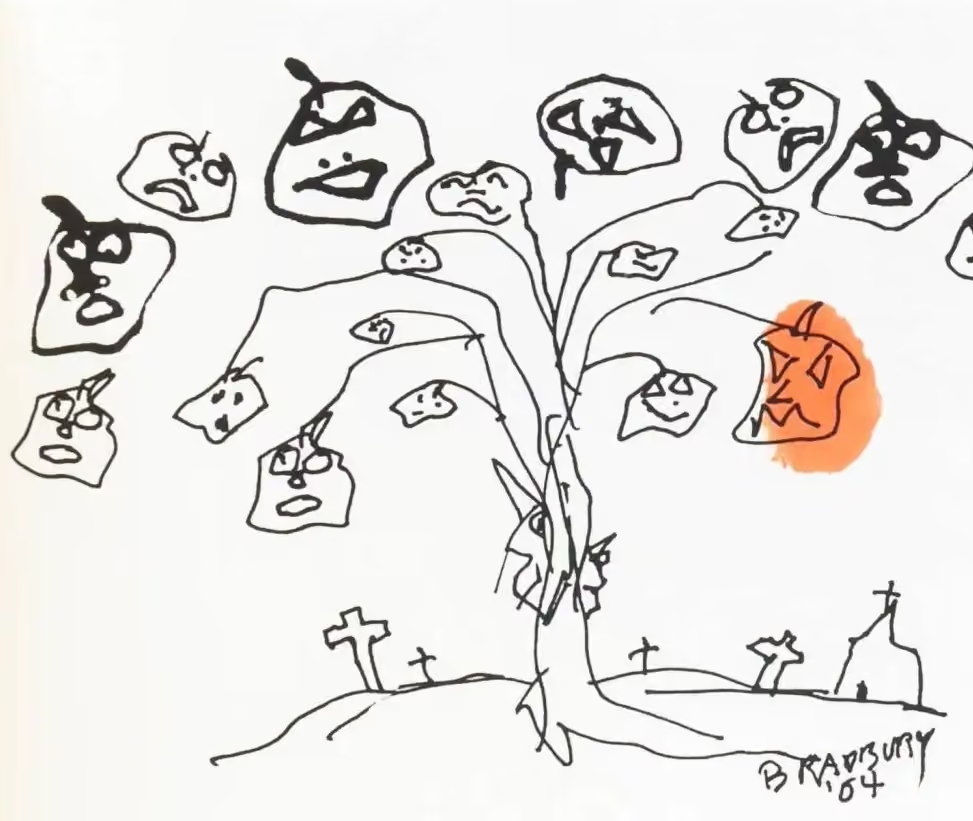
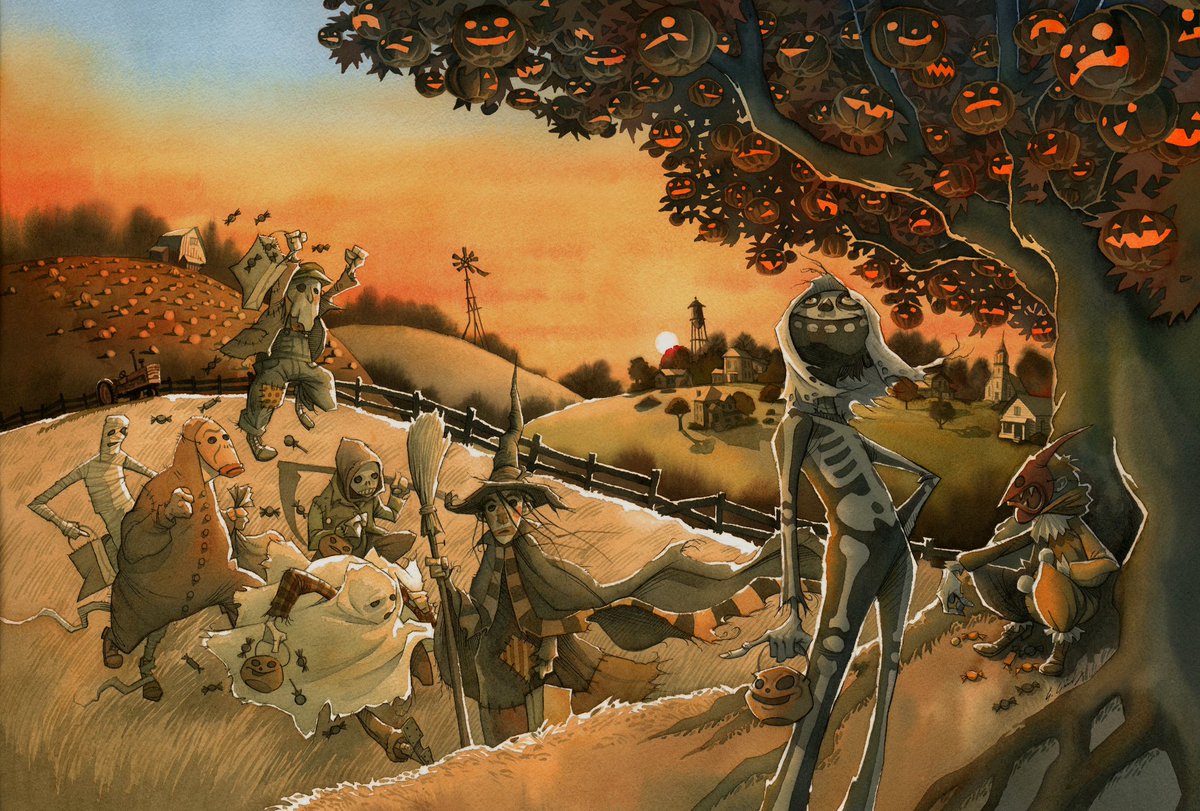
Halloween was always celebrated by the Bradbury family with more enthusiasm than Christmas. Ray recalled that his love of the festival began at the age of eight when his Aunt Neva helped him throw what he called 'the grandest Halloween imaginable' The Bradbury home was transformed into a haunted house complete with grinning pumpkins, ghost-like sheets hanging in the cellar, and raw chicken meat standing in for parts of a dead witch. These rituals furnished material for his stories for decades to come.
The Grandest Halloween

Halloween was always celebrated by the Bradbury family with more enthusiasm than Christmas. Ray recalled that his love of the festival began at the age of eight when his Aunt Neva helped him throw what he called 'the grandest Halloween imaginable' The Bradbury home was transformed into a haunted house complete with grinning pumpkins, ghost-like sheets hanging in the cellar, and raw chicken meat standing in for parts of a dead witch. These rituals furnished material for his stories for decades to come.
1932

"God bless Mr. Electrico, the catalyst, wherever he is"

A moment Bradbury would later call the most important of his life: at a travelling carnival, Mr. Electrico touched a crackling sword to twelve-year-old Ray’s nose and commanded, “Live forever!” Ray wrote his first short story days later — and never stopped. He would write every single day for the rest of his life.

1934

Hollywood, $40 and a Dream

The Bradbury family settled in Los Angeles with just $40. Ray roller-skated around Hollywood hunting celebrity autographs and, at fourteen, sold his first joke to George Burns and Allen Show— his first paid work as a writer.

Hollywood, $40 and a Dream

The Bradbury family settled in Los Angeles with just $40. Ray roller-skated around Hollywood hunting celebrity autographs and, at fourteen, sold his first joke to George Burns and Allen Show— his first paid work as a writer.

1936

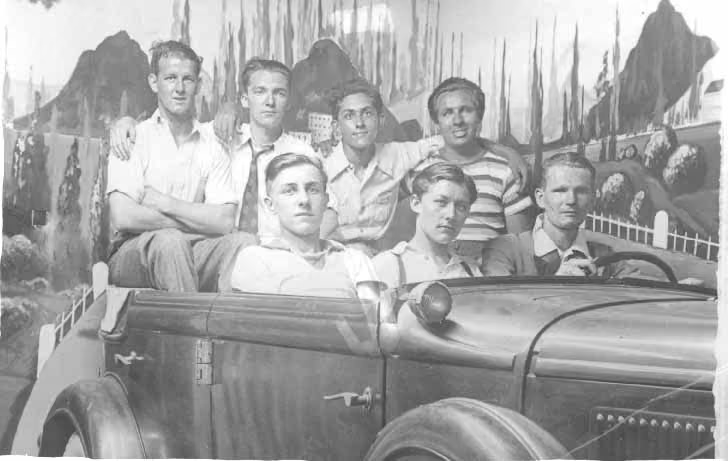
Finding His Tribe

Ray discovered the Los Angeles Science Fiction Society and found his people — including Ray Harryhausen, who would later serve as best man at his wedding.

Finding His Tribe

Ray discovered the Los Angeles Science Fiction Society and found his people — including Ray Harryhausen, who would later serve as best man at his wedding.

January 1938

First Publication

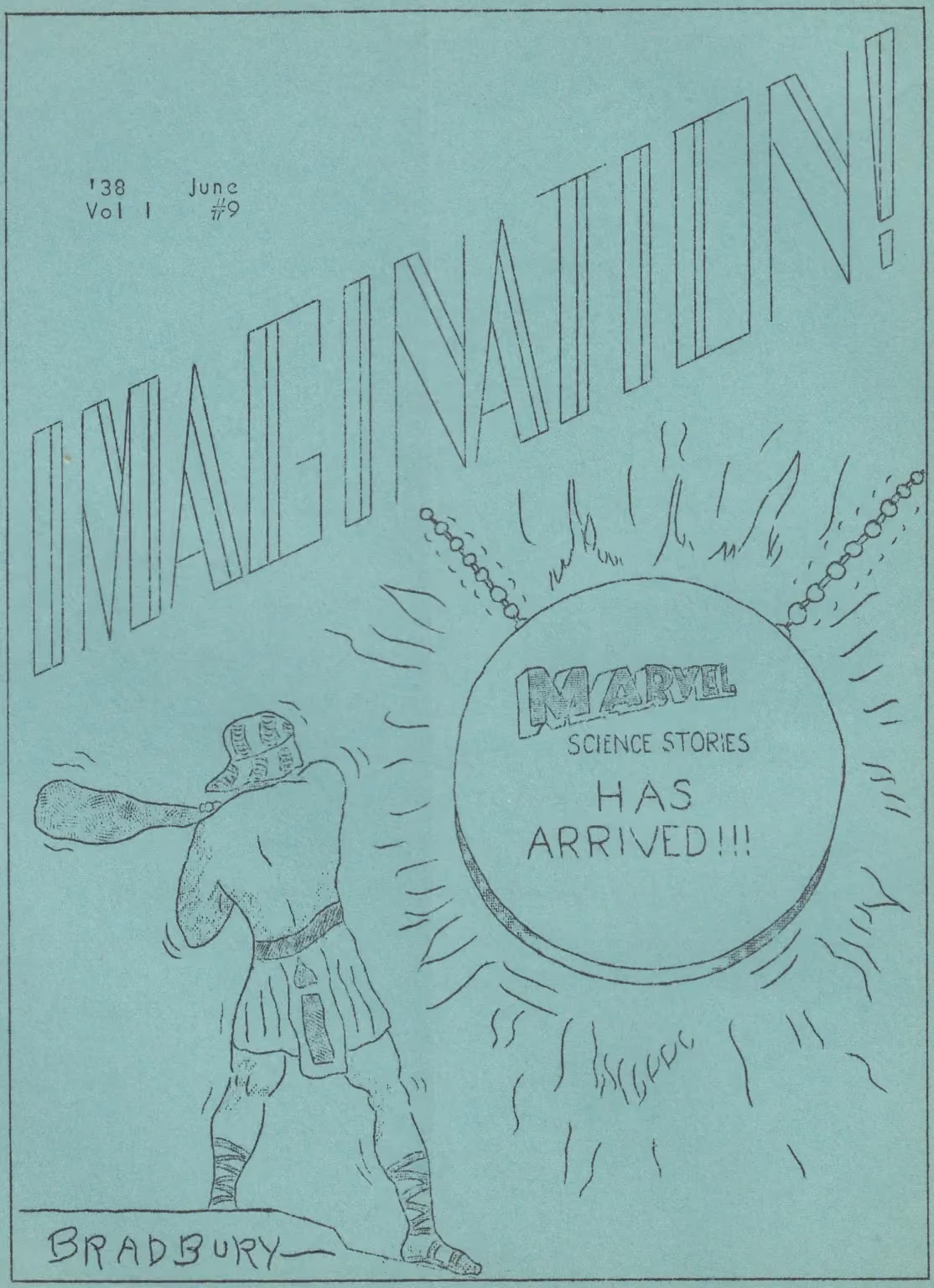
Bradbury published his first story, “Hollerbochen’s Dilemma,” in Imagination! the same year he graduated from Los Angeles High School. Unable to afford university, he spent the next decade educating himself in the public library three days a week.

First Publication

Bradbury published his first story, “Hollerbochen’s Dilemma,” in Imagination! the same year he graduated from Los Angeles High School. Unable to afford university, he spent the next decade educating himself in the public library three days a week.

1939

Futuria Fantasia

Bradbury published four issues of his own fanzine, Futuria Fantasia, writing nearly all the content himself under various pseudonyms. That summer he travelled to New York for the First World Science Fiction Convention.

Futuria Fantasia

Bradbury published four issues of his own fanzine, Futuria Fantasia, writing nearly all the content himself under various pseudonyms. That summer he travelled to New York for the First World Science Fiction Convention.

The Writer Emerges...

→
November 1941

First Professional Sale

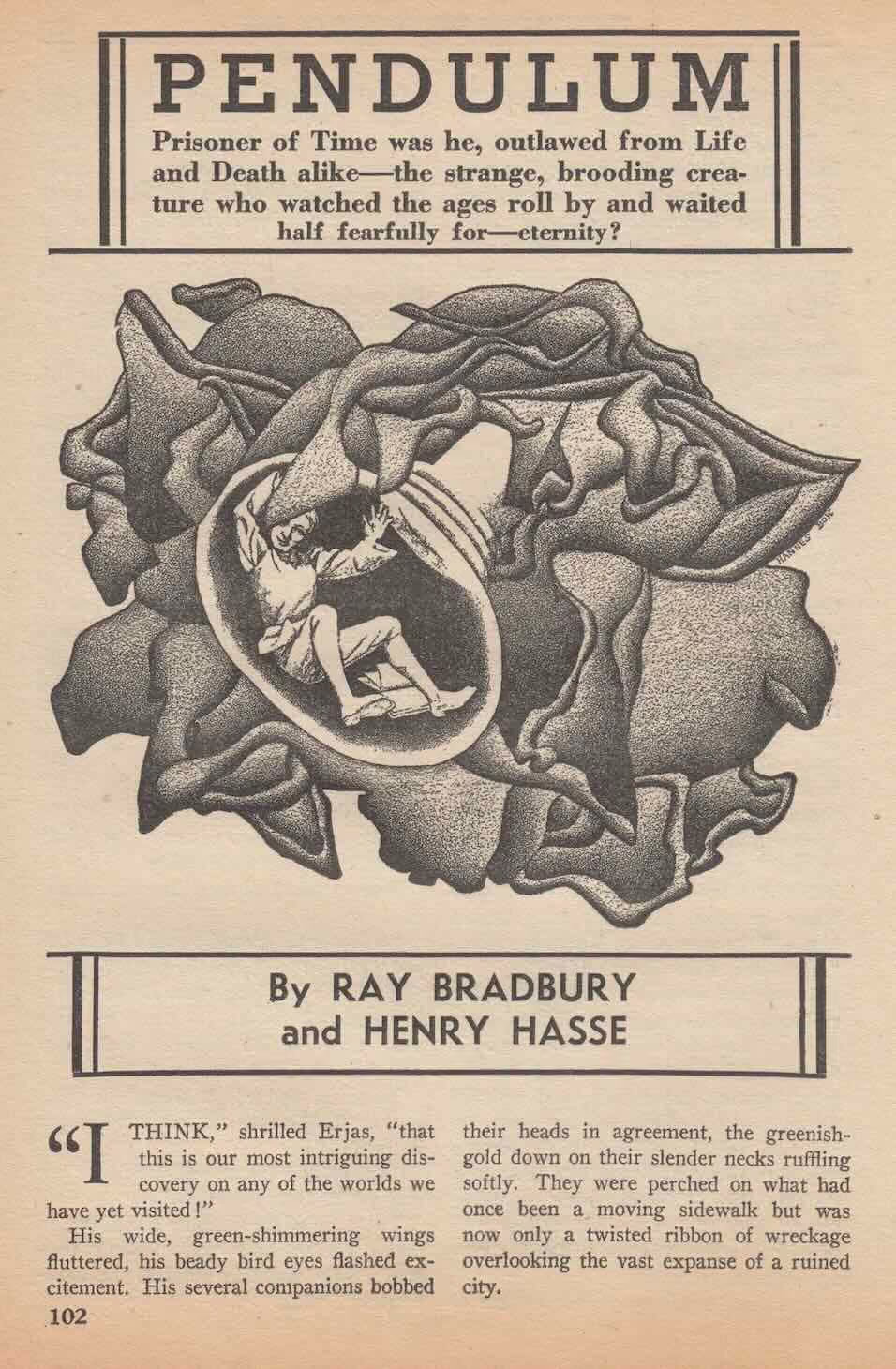
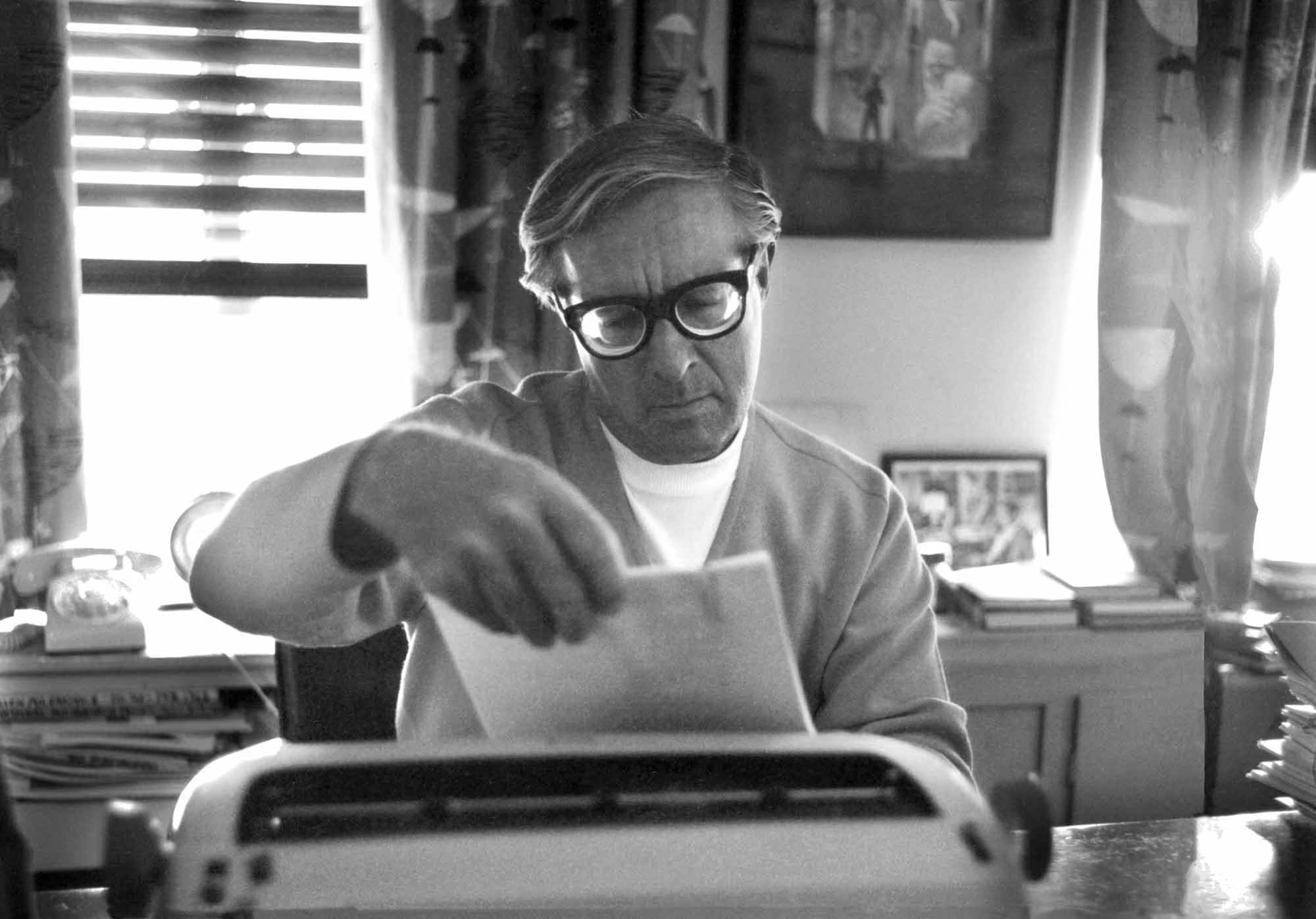
Rejected for military service due to poor eyesight, this decision allowed him to dedicate himself fully to his writing career. After hundreds of rejections, Ray sold his first professional story in November 1941, 'Pendulum,' co-written with Henry Hasse for $15.

‍

First Professional Sale

Rejected for military service due to poor eyesight, this decision allowed him to dedicate himself fully to his writing career. After hundreds of rejections, Ray sold his first professional story in November 1941, 'Pendulum,' co-written with Henry Hasse for $15.

‍

"I don't need an alarm clock. My ideas wake me."

"I don't need an alarm clock. My ideas wake me."

1943

FULL TIme Writer

Bradbury gave up selling newspapers and committed himself to writing full-time, selling stories to Black Mask, Amazing Stories, and Weird Tales. He developed a distinctive word-association creative method: getting out of bed each morning and writing whatever words came to mind.

FULL TIme Writer

Bradbury gave up selling newspapers and committed himself to writing full-time, selling stories to Black Mask, Amazing Stories, and Weird Tales. He developed a distinctive word-association creative method: getting out of bed each morning and writing whatever words came to mind.

1946

A SURPRISE ENCOUNTER 

Ray walked into a bookshop and was promptly suspected of shoplifting by clerk Maggie McClure. He asked her for coffee, which turned into cocktails, which became dinner — and a lifelong romance.

A SURPRISE ENCOUNTER 

Ray walked into a bookshop and was promptly suspected of shoplifting by clerk Maggie McClure. He asked her for coffee, which turned into cocktails, which became dinner — and a lifelong romance.

1947

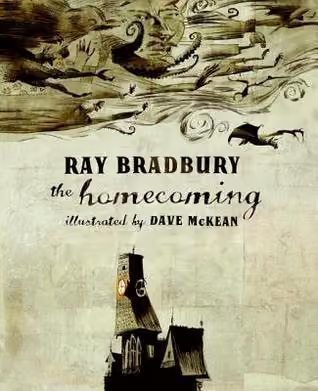
A young Truman Capote plucked Ray's story 'Homecoming' from a slush pile at Mademoiselle, earning Ray an O. Henry Award. This marked one of his earliest literary breakthroughs.

A young Truman Capote plucked Ray's story 'Homecoming' from a slush pile at Mademoiselle, earning Ray an O. Henry Award. This marked one of his earliest literary breakthroughs.

September 1947

TYING THE KNOt

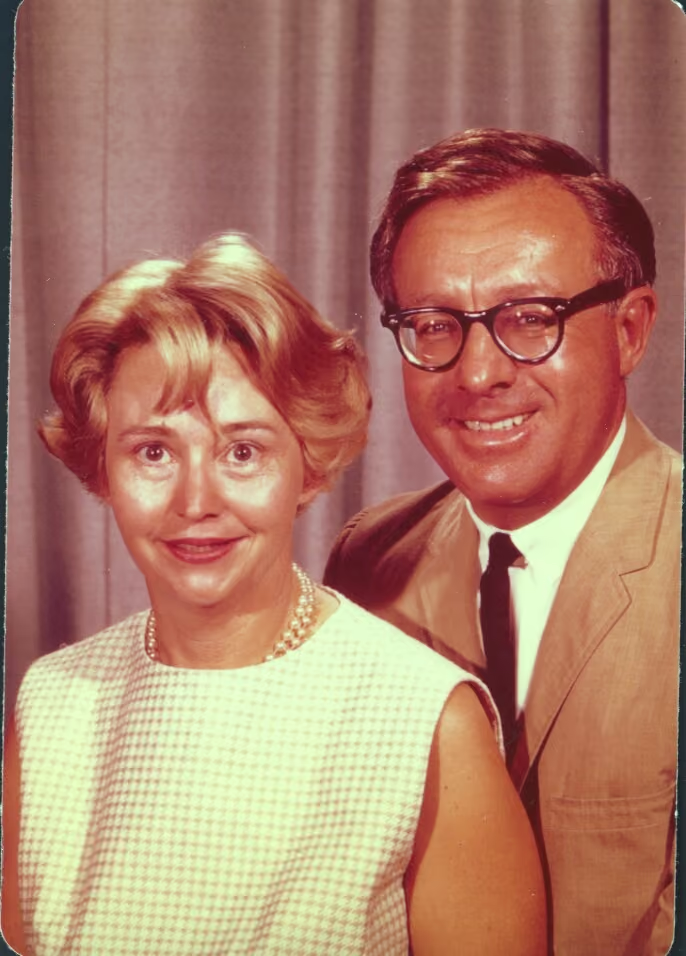
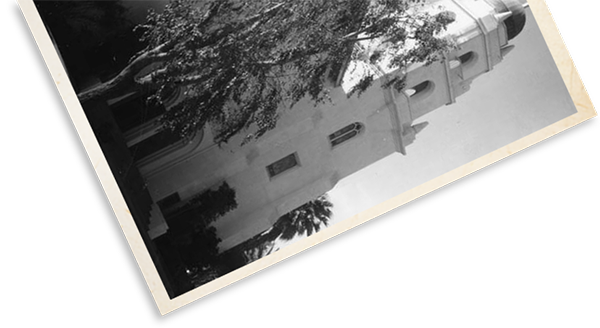
On September 27, 1947, Ray married Maggie McClure at the Church of the Good Shepherd in Los Angeles. In the early years, Maggie was the breadwinner — a 'vow of poverty' Ray later said, that made his career possible.

‍

TYING THE KNOt

On September 27, 1947, Ray married Maggie McClure at the Church of the Good Shepherd in Los Angeles. In the early years, Maggie was the breadwinner — a 'vow of poverty' Ray later said, that made his career possible.

‍

October 1947

A Debut

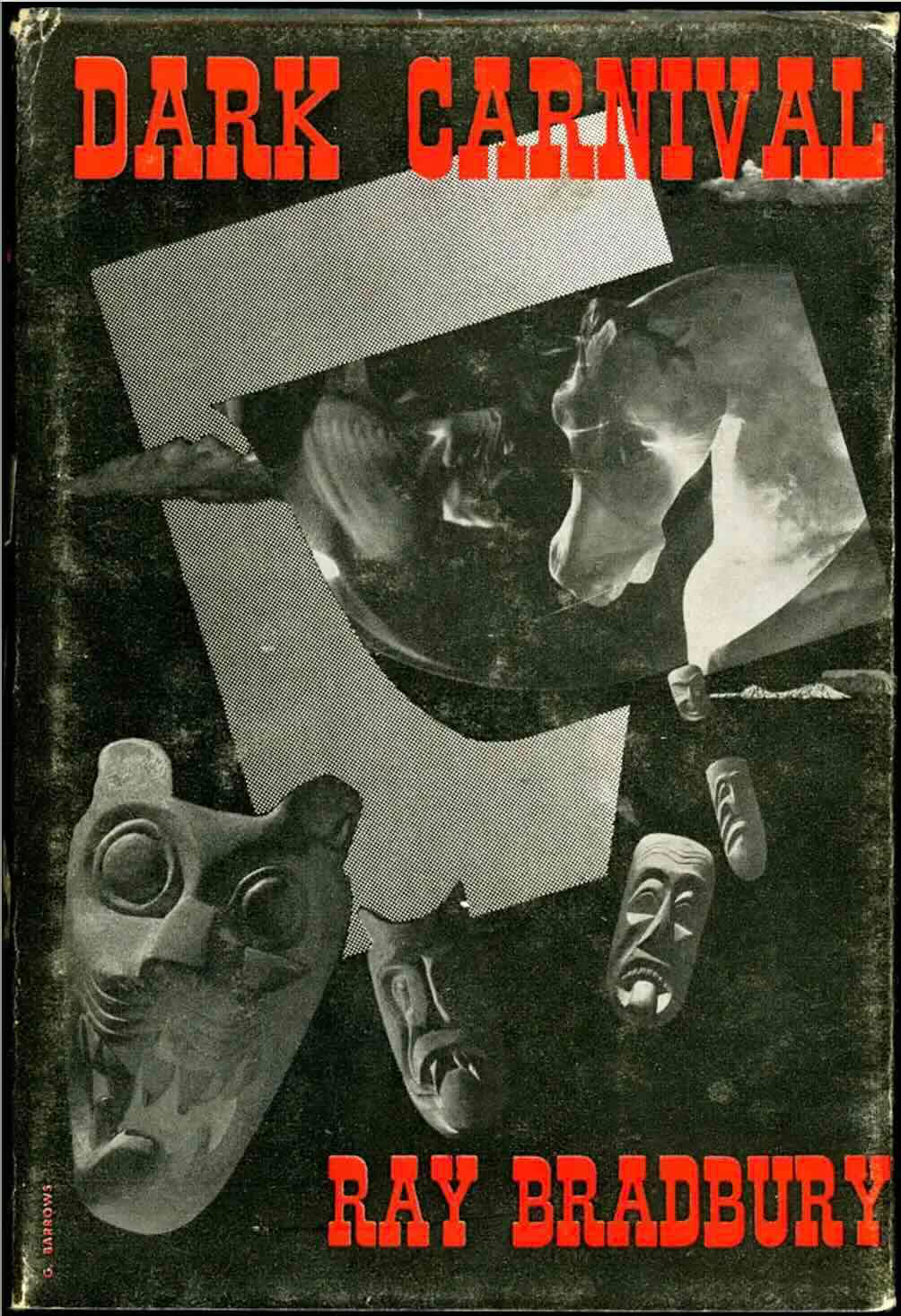
Ray's first book was published. Dark Carnival was a collection of macabre stories, introducing many of the themes that would define his career: mortality, childhood, magic, fear and wonder.

‍

A Debut

Ray's first book was published. Dark Carnival was a collection of macabre stories, introducing many of the themes that would define his career: mortality, childhood, magic, fear and wonder.

‍

1950

the martian chronicles

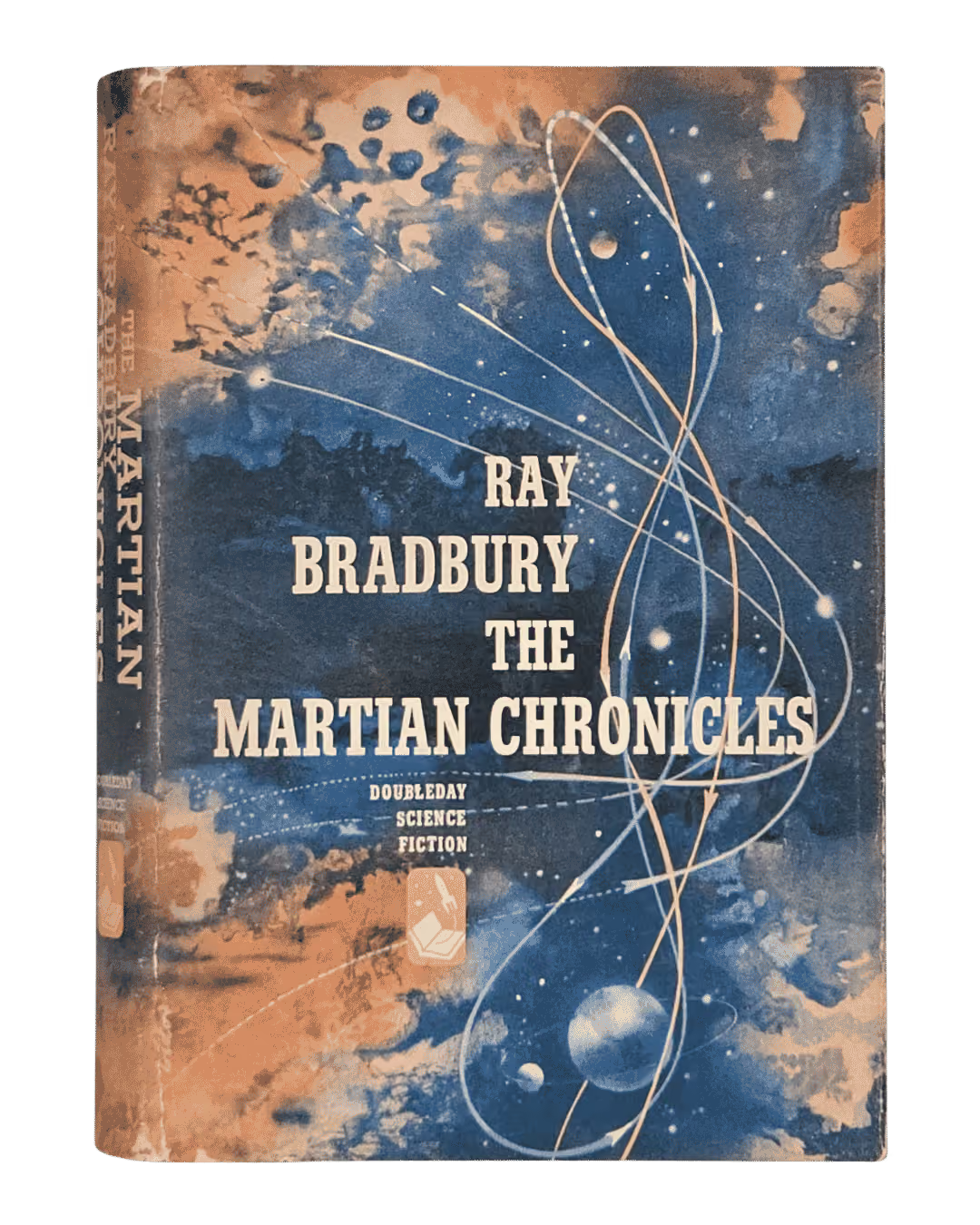
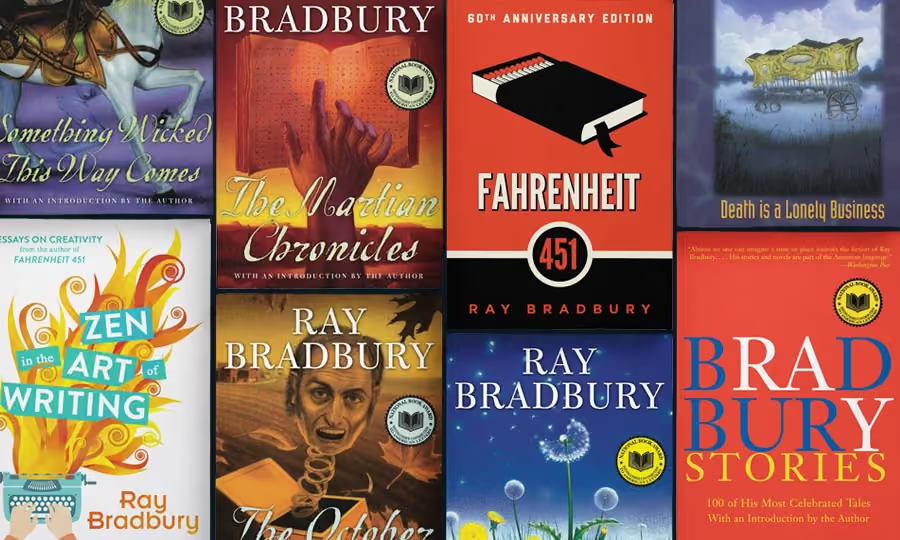
The Martian Chronicles was published, establishing Ray's international reputation almost overnight. He always insisted it was not science fiction but fantasy and myth.

"There was always a minority afraid of something, and a great majority afraid of the dark, afraid of the future, afraid of the past."
— The Martian Chronicles
1951

The Illustrated Man

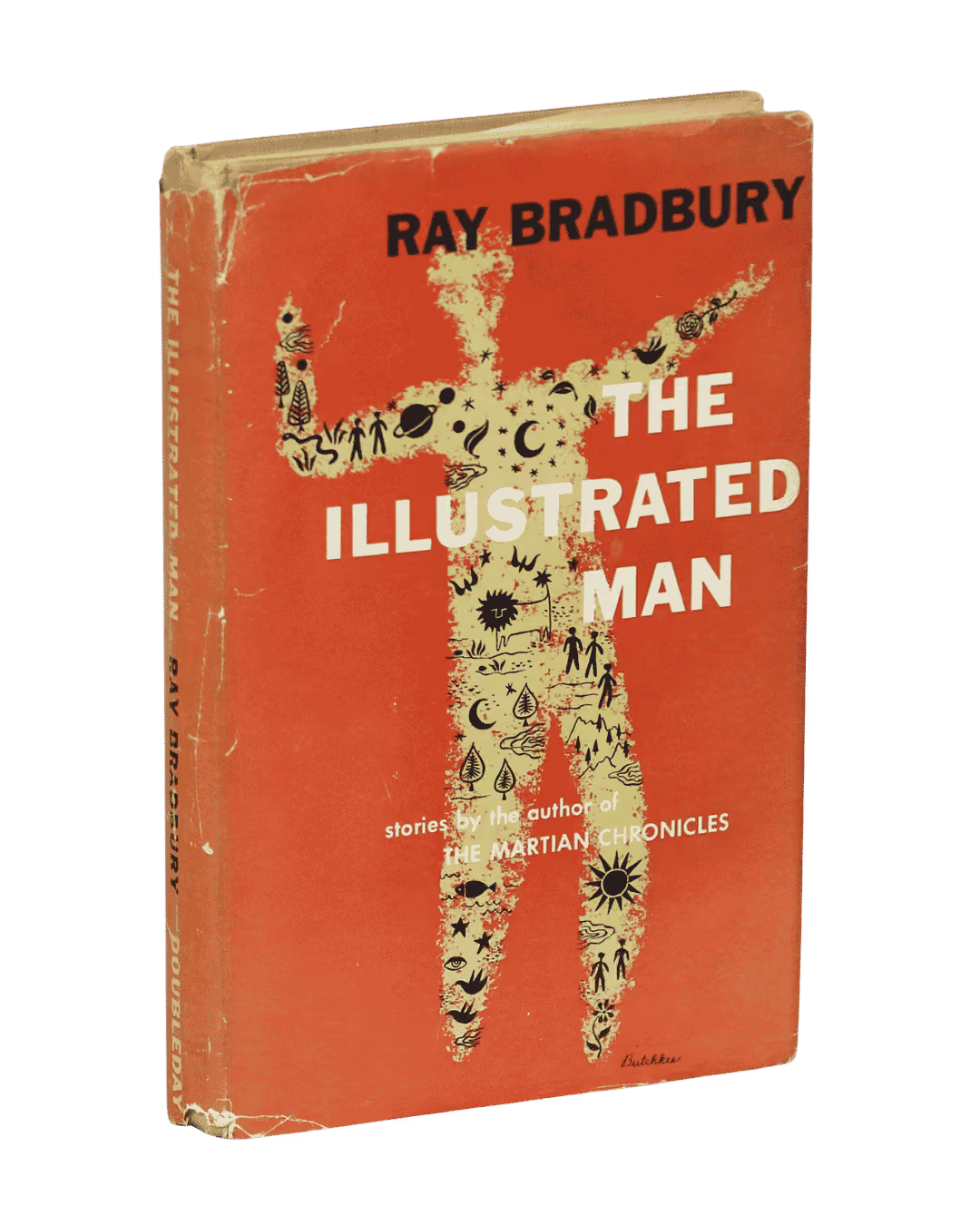
The Illustrated Man was published, a collection of eighteen stories told through the tattoos of a mysterious wanderer. Television and comic adaptations followed, bringing his work to a wider audience and into popular culture.

‍

The Illustrated Man

The Illustrated Man was published, a collection of eighteen stories told through the tattoos of a mysterious wanderer. Television and comic adaptations followed, bringing his work to a wider audience and into popular culture.

‍

fahrenheit 451

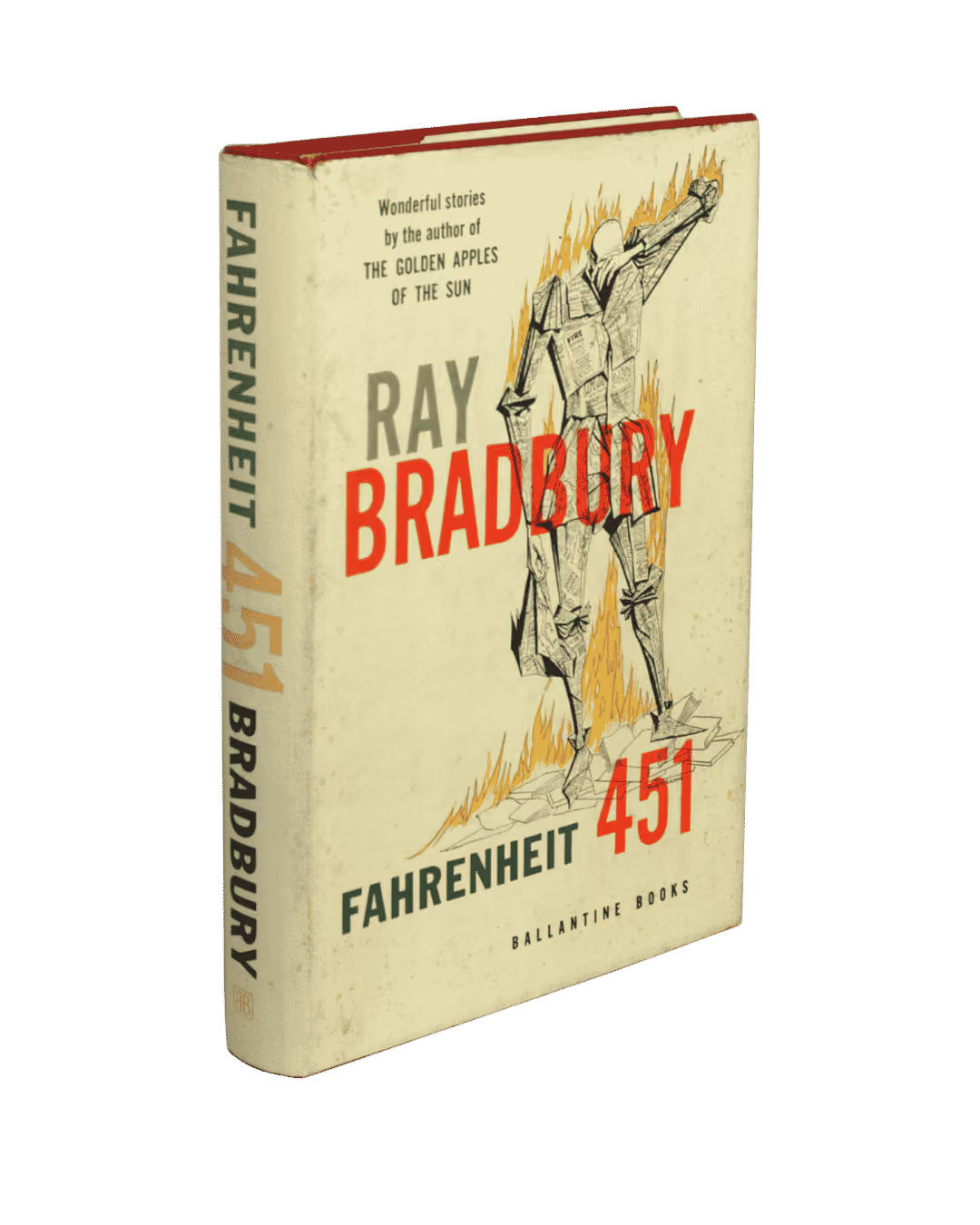
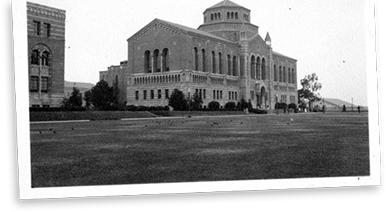
Bradbury's most famous novel was published. Fahrenheit 451 imagines a future in which books are banned and firefighters burn them. Bradbury wrote it in the basement of UCLA's Powell Library on a rented typewriter at 10c per half-hour, costing him a total of $9,80.

"You don't have to burn books to destroy a culture. Just get people to stop reading them."
— Fahrenheit 451
1953

fahrenheit 451

Bradbury's most famous novel was published. Fahrenheit 451 imagines a future in which books are banned and firefighters burn them. Bradbury wrote it in the basement of UCLA's Powell Library on a rented typewriter at 10c per half-hour, costing him a total of $9,80.

fahrenheit 451

Bradbury's most famous novel was published. Fahrenheit 451 imagines a future in which books are banned and firefighters burn them. Bradbury wrote it in the basement of UCLA's Powell Library on a rented typewriter at 10c per half-hour, costing him a total of $9,80.

1953-54

Ireland and Moby Dick

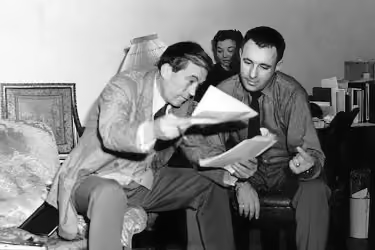
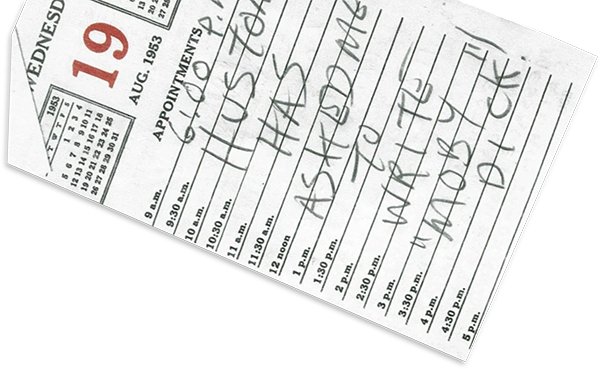
Director John Huston invited Bradbury to Ireland to write the screenplay for Moby Dick.THuston was living in an Irish country house called Courtown in County Kildare, so he wanted his screenwriter nearbyBradbury spent agonizing, creative weeks adapting the classic whaling tale

The Voyage

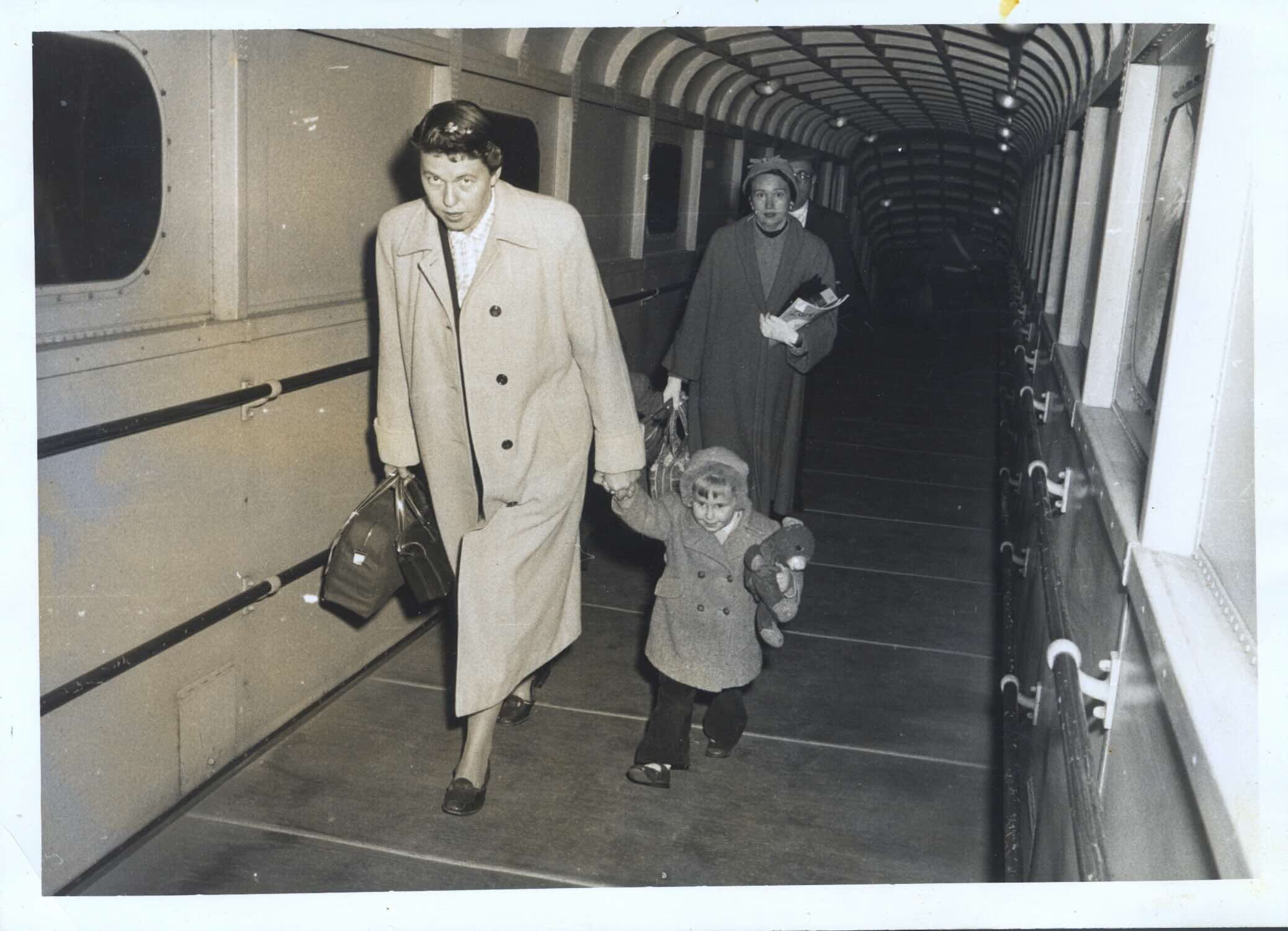
Bradbury, who had never flown and would not do so until he was sixty-two, made the journey to Ireland, with his family, by ship. Bradbury, his wife Maggie, their two young daughters, and a nanny spent 6 months living at the historic Royal Hibernian Hotel on Dawson Street in Dublin.

The experience writing Moby Dick later inspired his novel Green Shadows, White Whale.

‍

1955

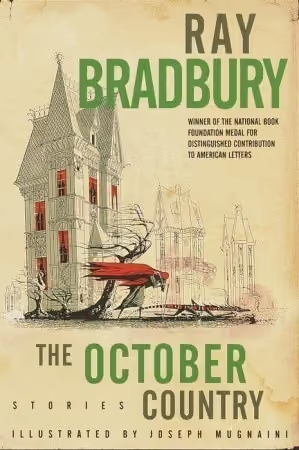
The October Country

The October Country was published — a revised and expanded version of Dark Carnival featuring some of Bradbury's finest macabre tales.

The October Country

The October Country was published — a revised and expanded version of Dark Carnival featuring some of Bradbury's finest macabre tales.

1957

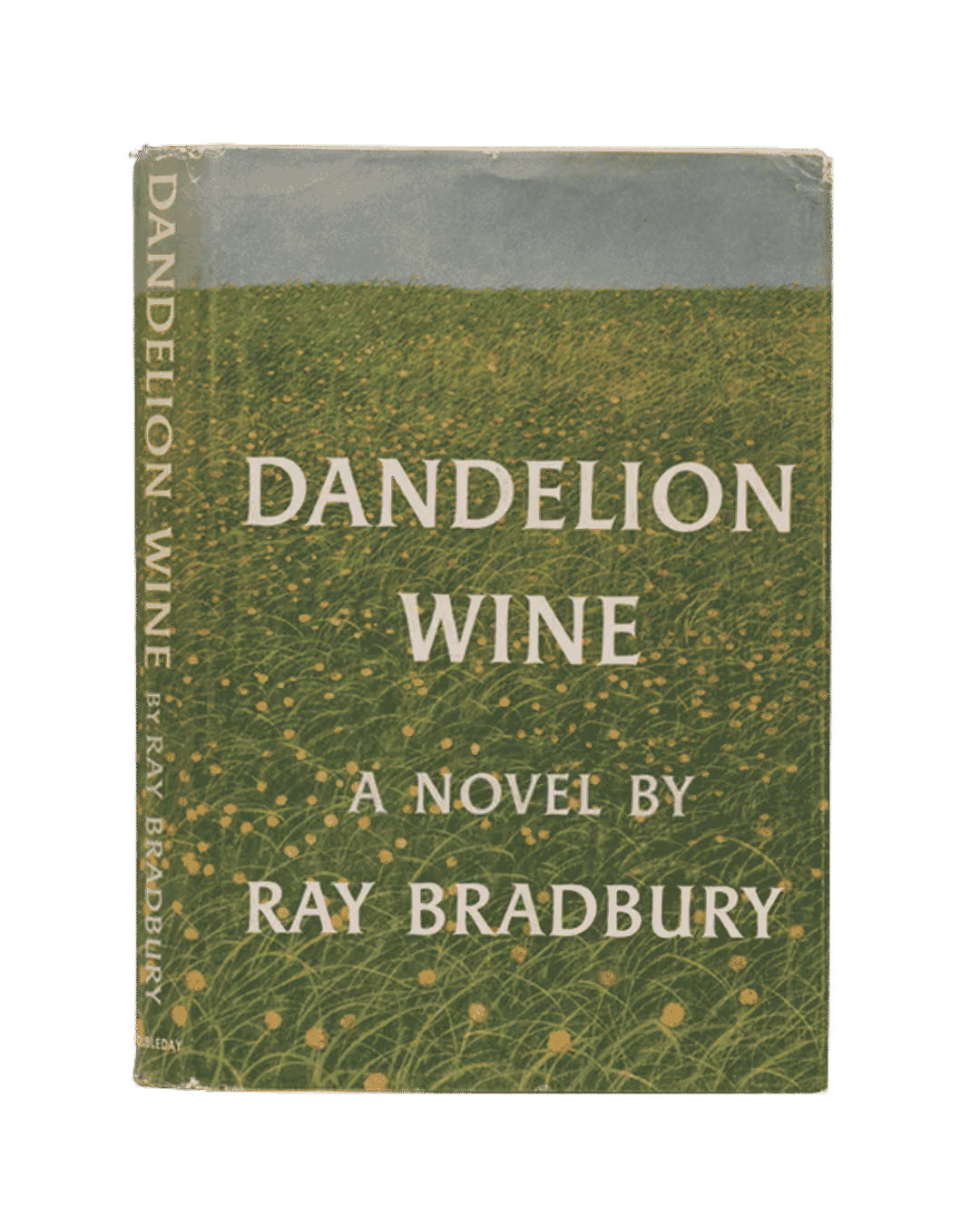
Dandelion Wine

Dandelion Wine was published in 1957 — Ray's most personal work, a semi-autobiographical novel capturing the wonder and bittersweet passage of a childhood summer in Green Town, Illinois.

Dandelion Wine

Dandelion Wine was published in 1957 — Ray's most personal work, a semi-autobiographical novel capturing the wonder and bittersweet passage of a childhood summer in Green Town, Illinois.

1962

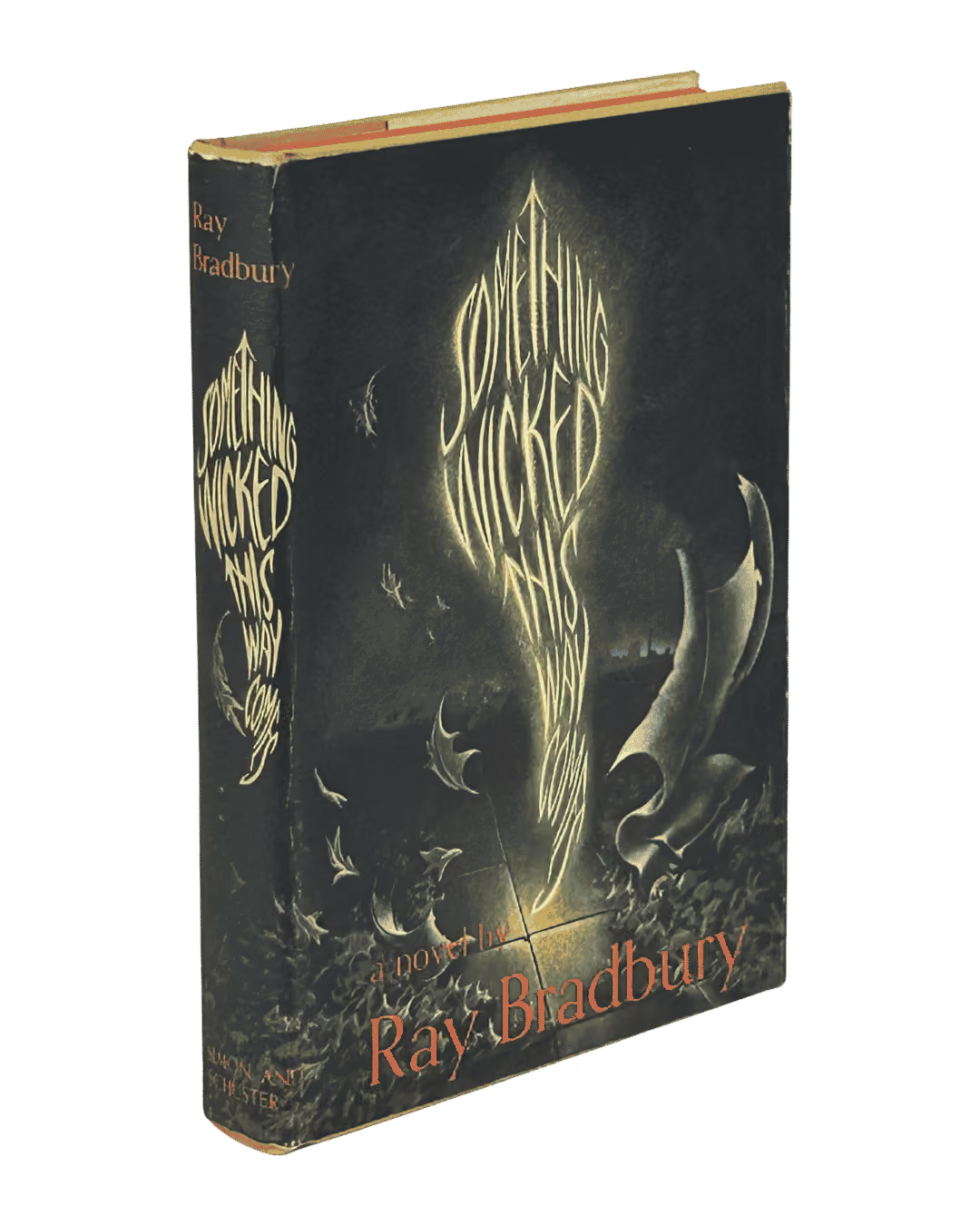
Something wicked this way comes

Bradbury's long awaited novel, Something Wicked This Way Comes, was published, a dark companion to Dandelion Wine.

Something wicked this way comes

Bradbury's long awaited novel, Something Wicked This Way Comes, was published, a dark companion to Dandelion Wine.

1963

An Academy Nomination

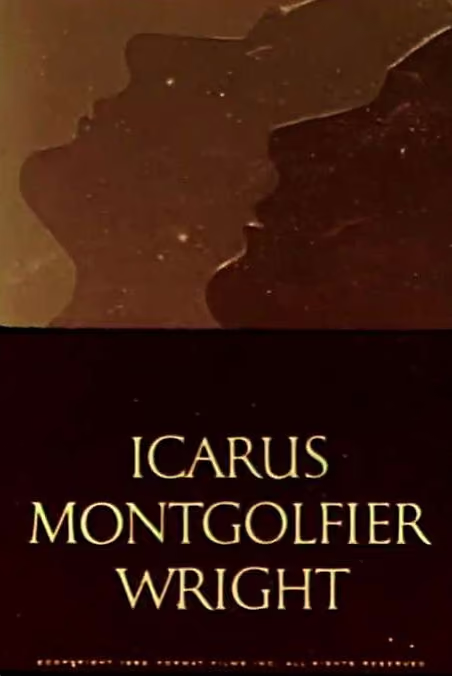
Bradbury was nominated for an Academy Award for the animated short Icarus Montgolfier Wright.

An Academy Nomination

Bradbury was nominated for an Academy Award for the animated short Icarus Montgolfier Wright.

1964

The World's Fair

Ray served as creative consultant for the US Pavilion at the 1964 New York World's Fair, writing the narration for The American Journey. He later calling it one of his proudest achievements.

The World's Fair

Ray served as creative consultant for the US Pavilion at the 1964 New York World's Fair, writing the narration for The American Journey. He later calling it one of his proudest achievements.

1966

Fahrenheit 451 on Screen

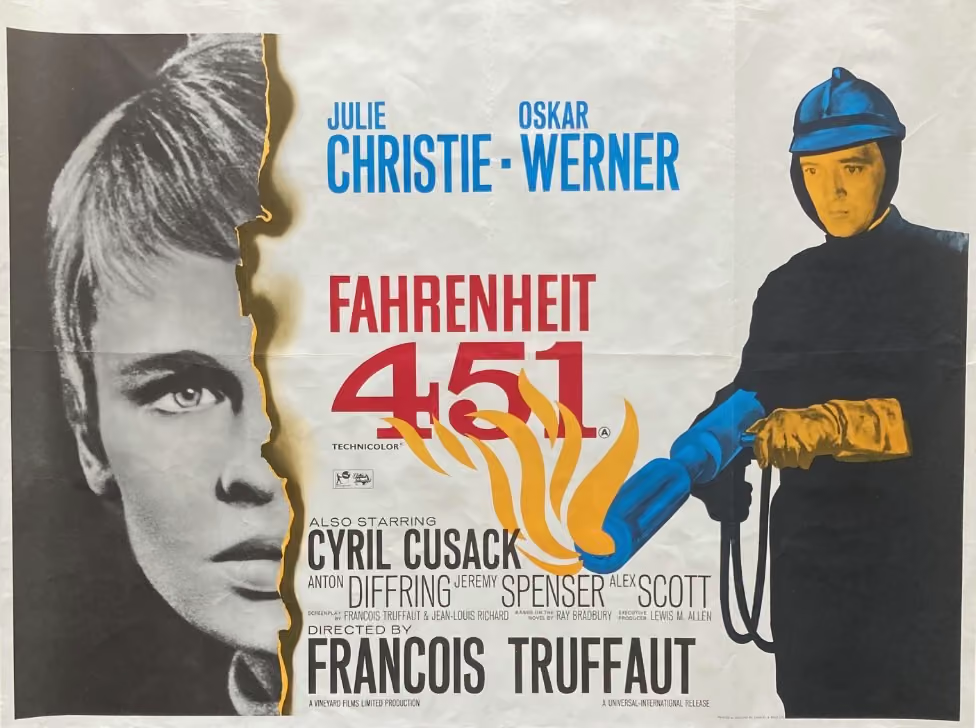
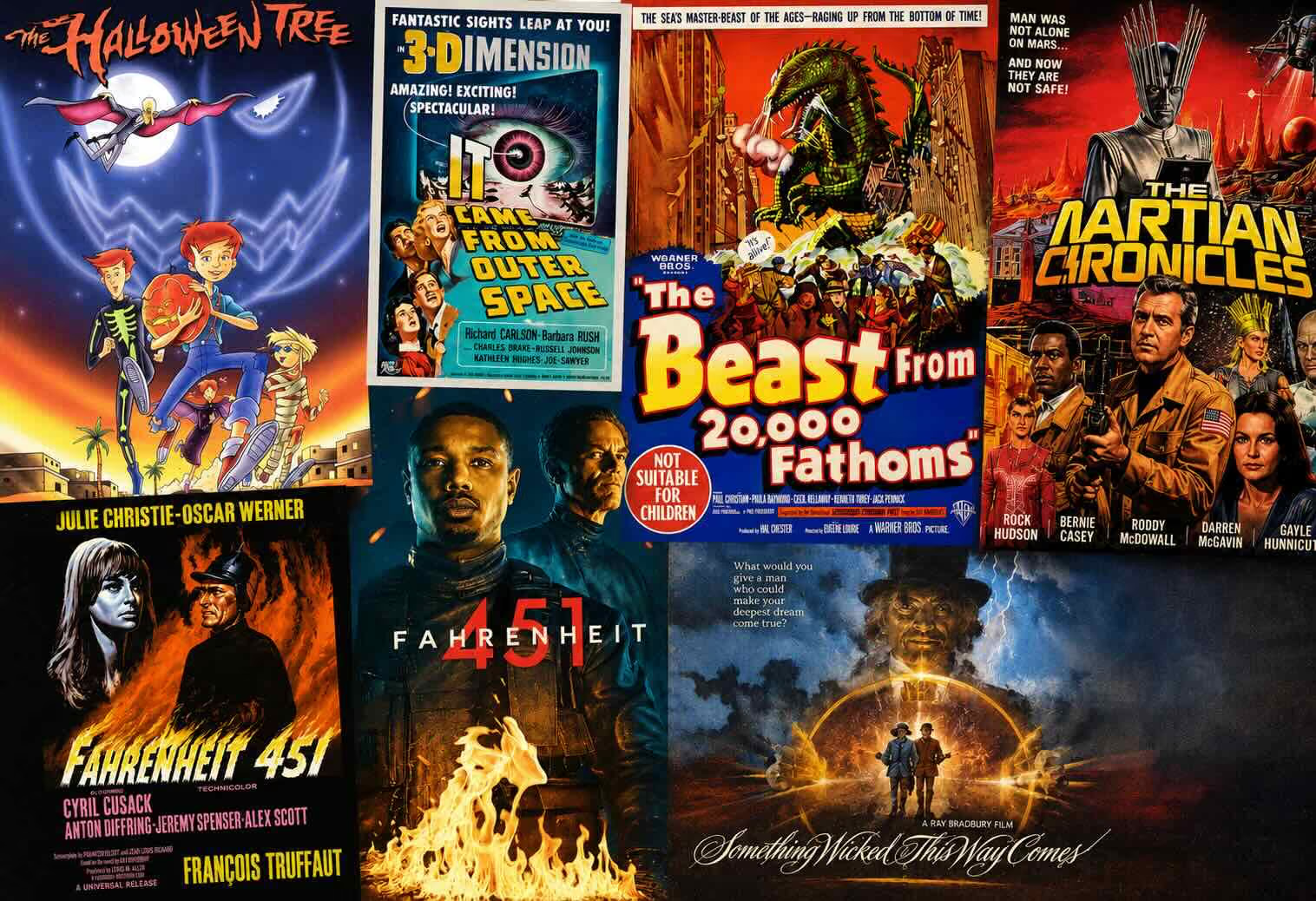
François Truffaut's film adaptation of Fahrenheit 451 was released, starring Oskar Werner and Julie Christie. It became one of the defining works of 1960s science fiction cinema.

Fahrenheit 451 on Screen

François Truffaut's film adaptation of Fahrenheit 451 was released, starring Oskar Werner and Julie Christie. It became one of the defining works of 1960s science fiction cinema.

legacy and wonder

→
1971

His Name on the Moon

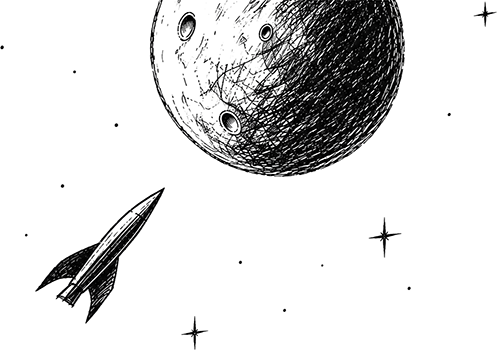
Apollo 15 astronauts named a lunar crater 'Dandelion Crater' after Bradbury's novel. During the mission it became a key navigation point on the Moon—placing a small piece of Bradbury’s imagination at the heart of humanity’s exploration of another world.

His Name on the Moon

Apollo 15 astronauts named a lunar crater 'Dandelion Crater' after Bradbury's novel. During the mission it became a key navigation point on the Moon—placing a small piece of Bradbury’s imagination at the heart of humanity’s exploration of another world.

1977

Lifetime Achievement

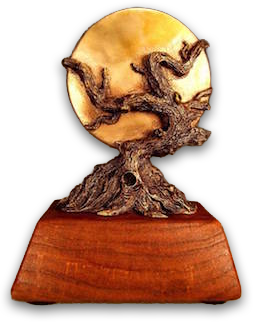
Bradbury received the World Fantasy Award for Lifetime Achievement, one of the first major lifetime honors in a career that would accumulate many more.

Lifetime Achievement

Bradbury received the World Fantasy Award for Lifetime Achievement, one of the first major lifetime honors in a career that would accumulate many more.

‍

‍

1982

Spaceship Earth

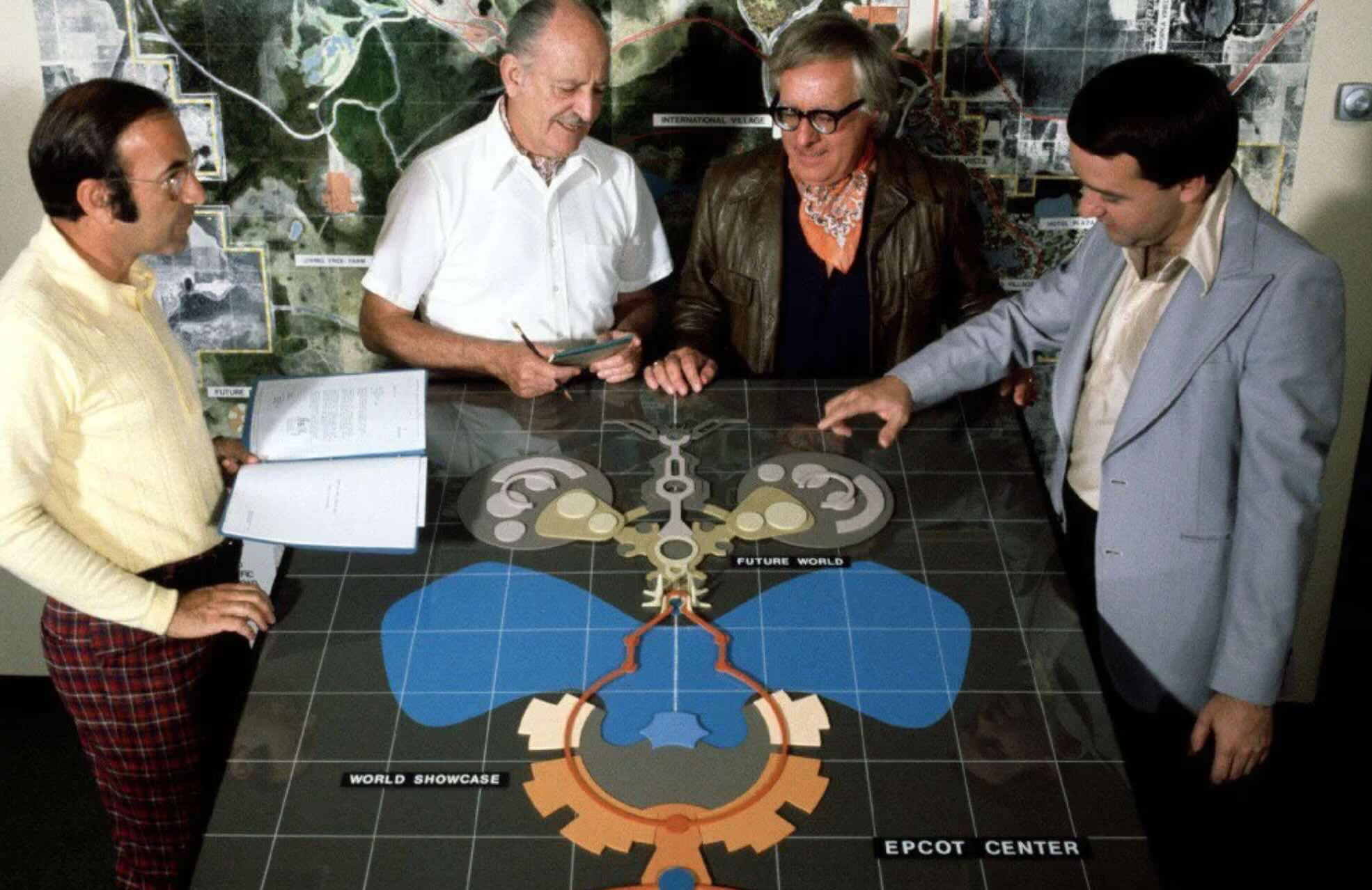
Bradbury worked on the original exhibit in Epcot's Spaceship Earth geosphere at Walt Disney World in Florida, crafting the interior narrative for one of the park's iconic attractions.

Spaceship Earth

Bradbury worked on the original exhibit in Epcot's Spaceship Earth geosphere at Walt Disney World in Florida, crafting the interior narrative for one of the park's iconic attractions.

1983

Something Wicked on Screen

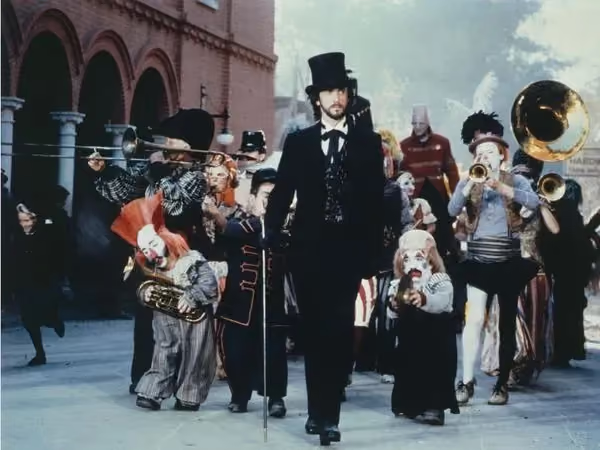
Disney released a film adaptation of Something Wicked This Way Comes, starring Jason Robards and Jonathan Pryce. Bradbury wrote the screenplay.

Something Wicked on Screen

Disney released a film adaptation of Something Wicked This Way Comes, starring Jason Robards and Jonathan Pryce. Bradbury wrote the screenplay.

1985–92

The Ray Bradbury Theater

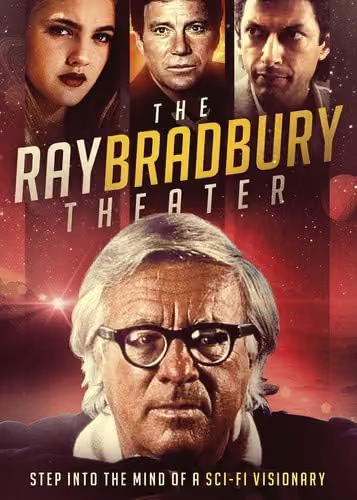
Bradbury moved into television with The Ray Bradbury Theater, adapting 65 of his own stories for HBO and USA Network. He also contributed writing to Alfred Hitchcock Presents and The Twilight Zone.

The Ray Bradbury Theater

Bradbury moved into television with The Ray Bradbury Theater, adapting 65 of his own stories for HBO and USA Network. He also contributed writing to Alfred Hitchcock Presents and The Twilight Zone.

1993

An Emmy

He won an Emmy Award for his teleplay of The Halloween Tree, a standalone animated film based on his novel.

‍

An Emmy

He won an Emmy Award for his teleplay of The Halloween Tree, a standalone animated film based on his novel.

‍

2000

National Book Foundation Medal

Maggie Bradbury passed away after 56 years of marriage. Bradbury's partner, first reader, and the woman who believed in him when they had almost nothing.

‍

National Book Foundation Medal

Maggie Bradbury passed away after 56 years of marriage. Bradbury's partner, first reader, and the woman who believed in him when they had almost nothing.

‍

November 2003

The Loss of Maggie

Maggie Bradbury passed away after 56 years of marriage. Bradbury's partner, first reader, and the woman who believed in him when they had almost nothing.

The Loss of Maggie

Maggie Bradbury passed away after 56 years of marriage. Bradbury's partner, first reader, and the woman who believed in him when they had almost nothing.

2004

National Medal of Arts

President George W. Bush presented Bradbury with the National Medal of Arts in recognition of his lifetime contribution to American literature and culture.

National Medal of Arts

President George W. Bush presented Bradbury with the National Medal of Arts in recognition of his lifetime contribution to American literature and culture.

2004

Hollywood walk of fame

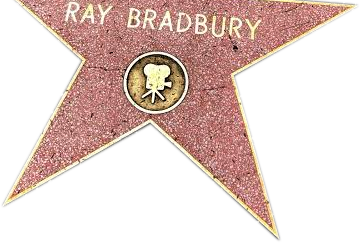
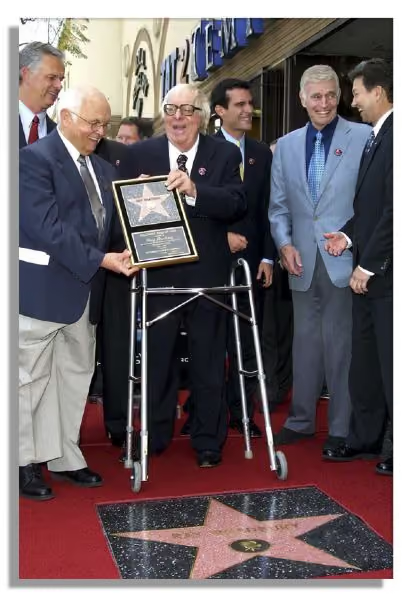
Bradbury received a star on the Hollywood Walk of Fame, at 6644 Hollywood Boulevard, not far from where a teenage Ray once roller-skated hunting for autographs.

Hollywood walk of fame

Bradbury received a star on the Hollywood Walk of Fame, at 6644 Hollywood Boulevard, not far from where a teenage Ray once roller-skated hunting for autographs.

October 2006

Farewell Summer

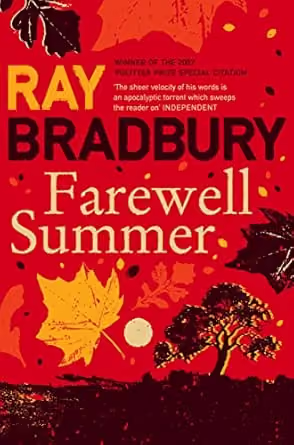
Farewell Summer was published — Ray's final novel and a bittersweet return to Green Town, completing the story he had begun in Dandelion Wine.

Farewell Summer

Farewell Summer was published — Ray's final novel and a bittersweet return to Green Town, completing the story he had begun in Dandelion Wine.

2007

Pulitzer Recognition

The Pulitzer Prize Board awarded Ray Bradbury a Special Citation, recognising his distinguished, prolific and deeply influential career as an unmatched author of science fiction and fantasy.

Pulitzer Recognition

The Pulitzer Prize Board awarded Ray Bradbury a Special Citation, recognising his distinguished, prolific and deeply influential career as an unmatched author of science fiction and fantasy.

2007

French Honour

In France, Bradbury was named a Commandeur of the Ordre des Arts et des Lettres, one of the country’s highest cultural honours.

French Honour

In France, Bradbury was named a Commandeur of the Ordre des Arts et des Lettres, one of the country’s highest cultural honours.

2008

The First Library on Mars

A digitised copy of The Martian Chronicles travelled aboard NASA’s Phoenix Mars Lander, described as “the first library on Mars”, bringing Bradbury’s vision a step closer to reality.

"The thing that makes me happy is that I know that on Mars, two hundred years from now, my books are going to be read. They'll be up on dead Mars with no atmosphere."
- Ray Bradbury

‍

2012

LIVE FOREVER

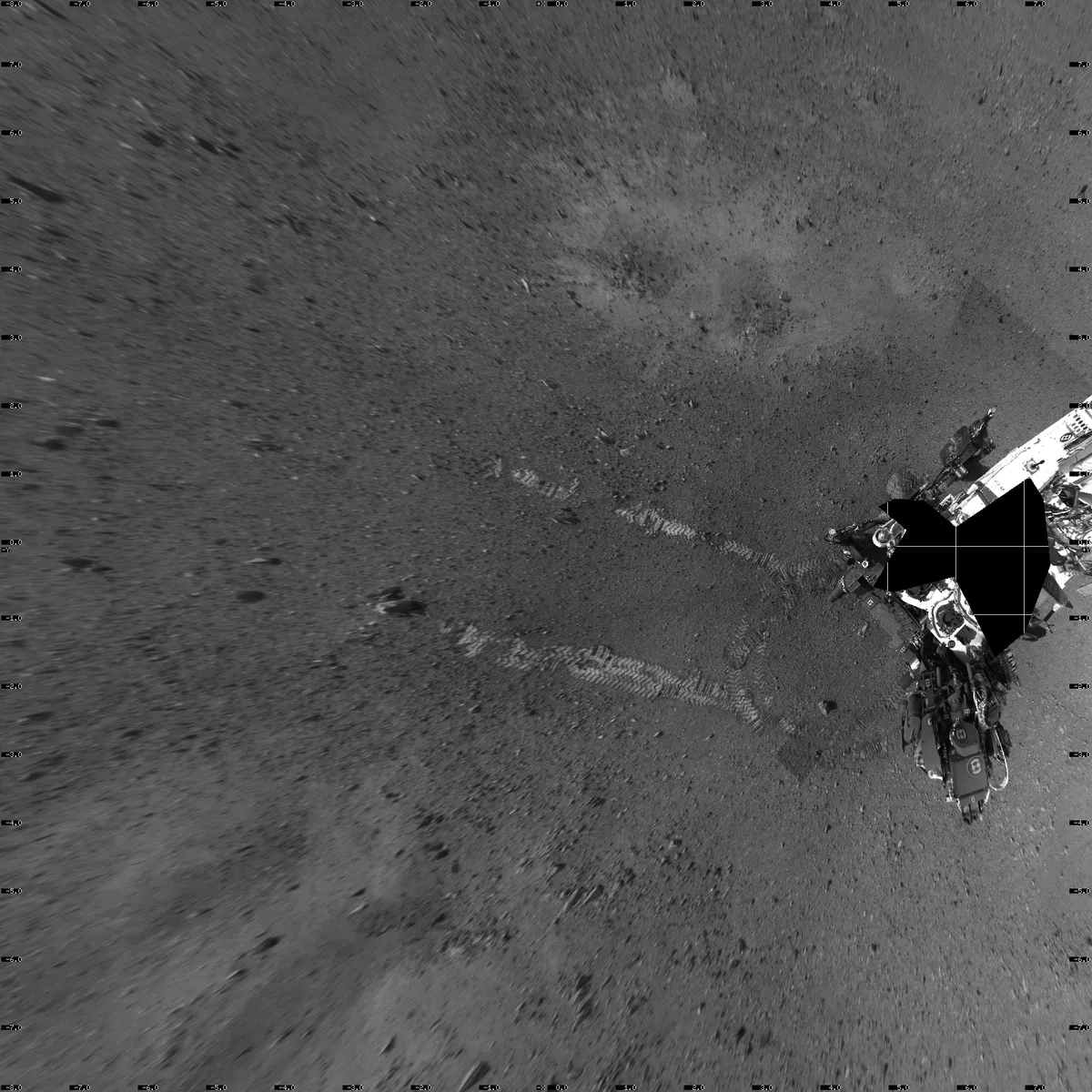
Ray Bradbury died on 5 June 2012, aged 91. Two months later, NASA's Curiosity rover landed on Mars and its touchdown site in Gale Crater was named 'Bradbury Landing' in his honor.

LIVE FOREVER

Ray Bradbury died on 5 June 2012, aged 91. Two months later, NASA's Curiosity rover landed on Mars and its touchdown site in Gale Crater was named 'Bradbury Landing' in his honor.

"I started writing every day. I never stopped."

"I started writing every day. I never stopped."

-RB

‍

"I started writing every day. I never stopped."

-RB

‍

‍

‍

About Ray
13 Things
← Back to start