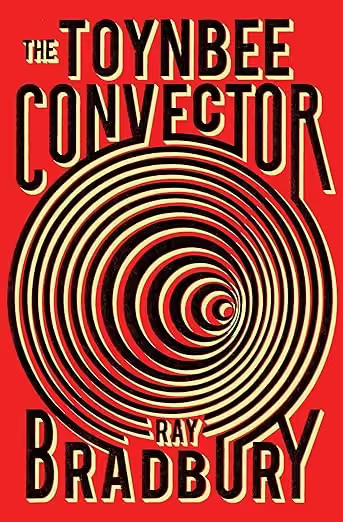
The Toynbee Convector is named for its most celebrated story, in which a man claims to have travelled a hundred years into the future and returned with proof that humanity survives, that the world is beautiful, that things will be all right. The story is a lie, and he knows it. But the lie, he argues, was necessary: humanity needed to believe in its own future in order to build one.
It is quintessential Bradbury: a story about stories, about the way narrative shapes reality, about the moral weight of hope. He was an incurable optimist in an age that regarded optimism as naive, and The Toynbee Convector is his most direct argument for why optimism is not naivety but necessity.
The twenty-three stories in this collection range across all his usual territories, but they are united by this late-career warmth, by a writer who has thought hard about what he believes and wants to say it clearly before he runs out of time. Some of the stories are minor. Several are among his best.
The fiction creates the truth in this lovely exercise in utopian dreaming--Publishers Weekly