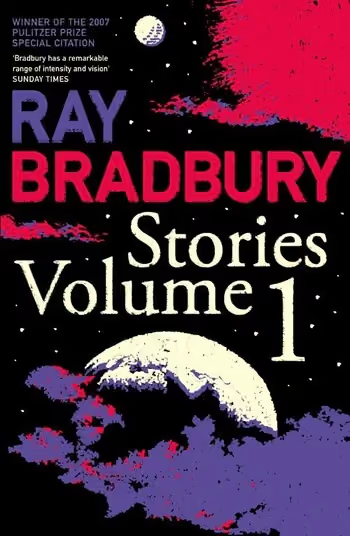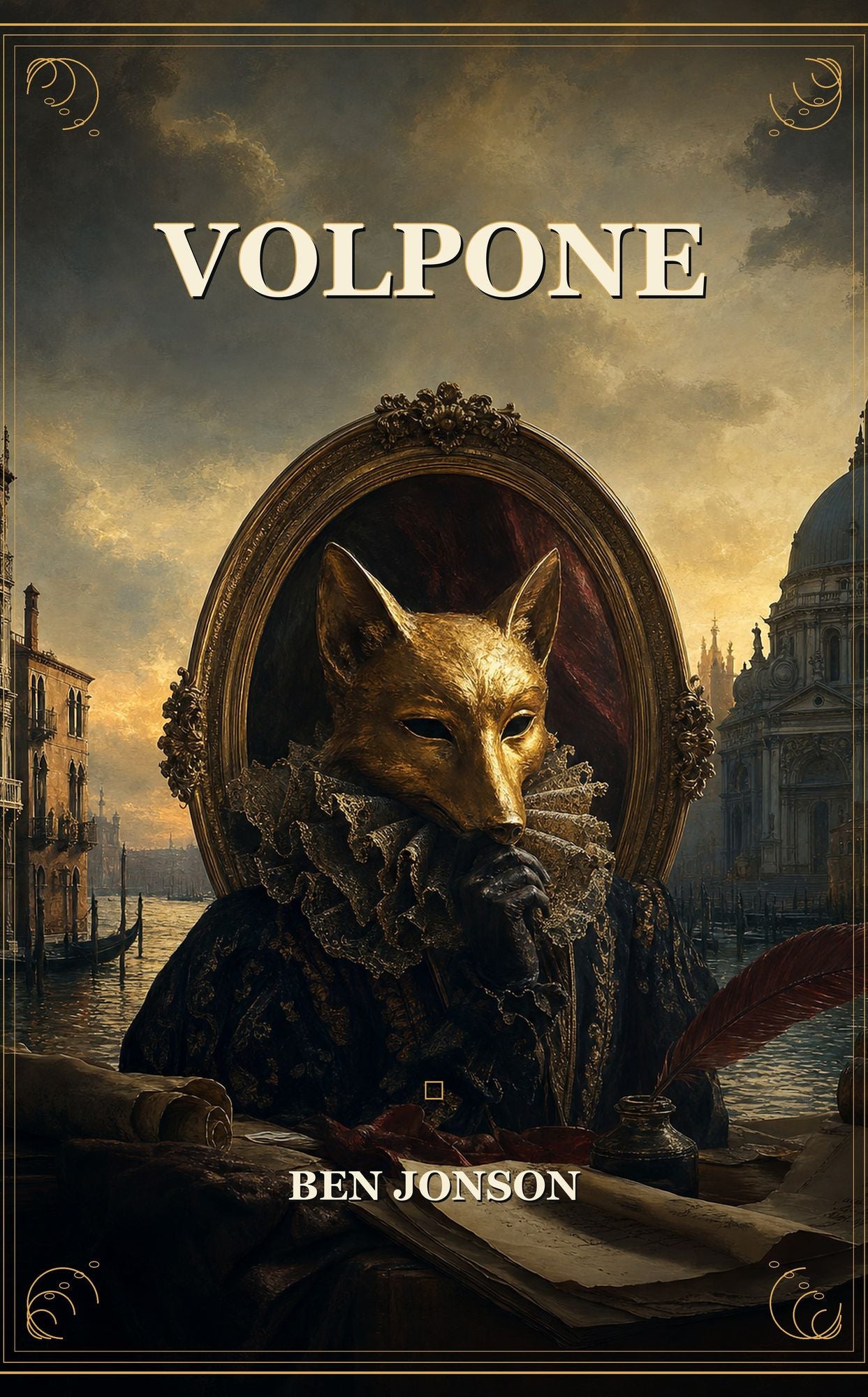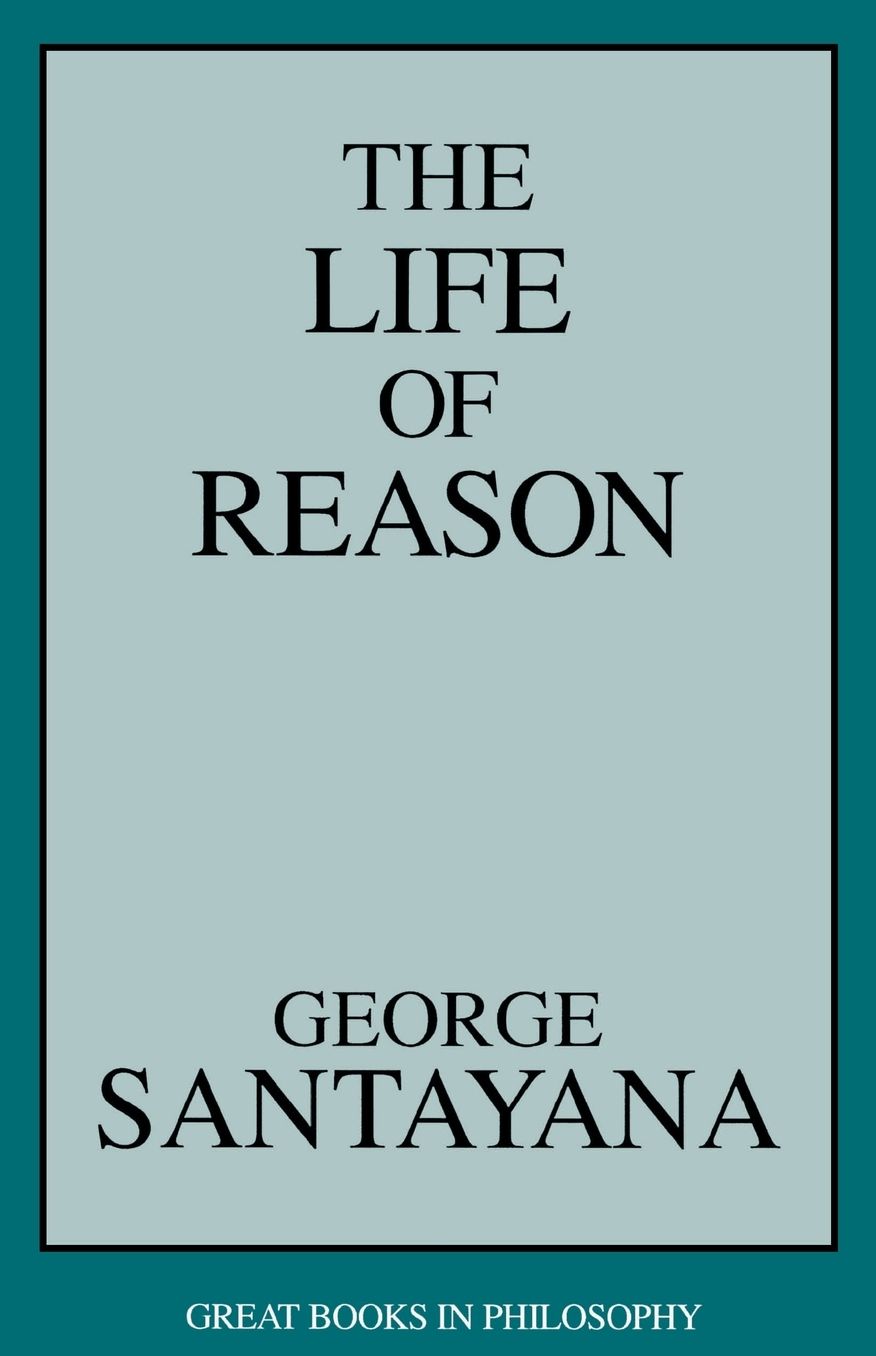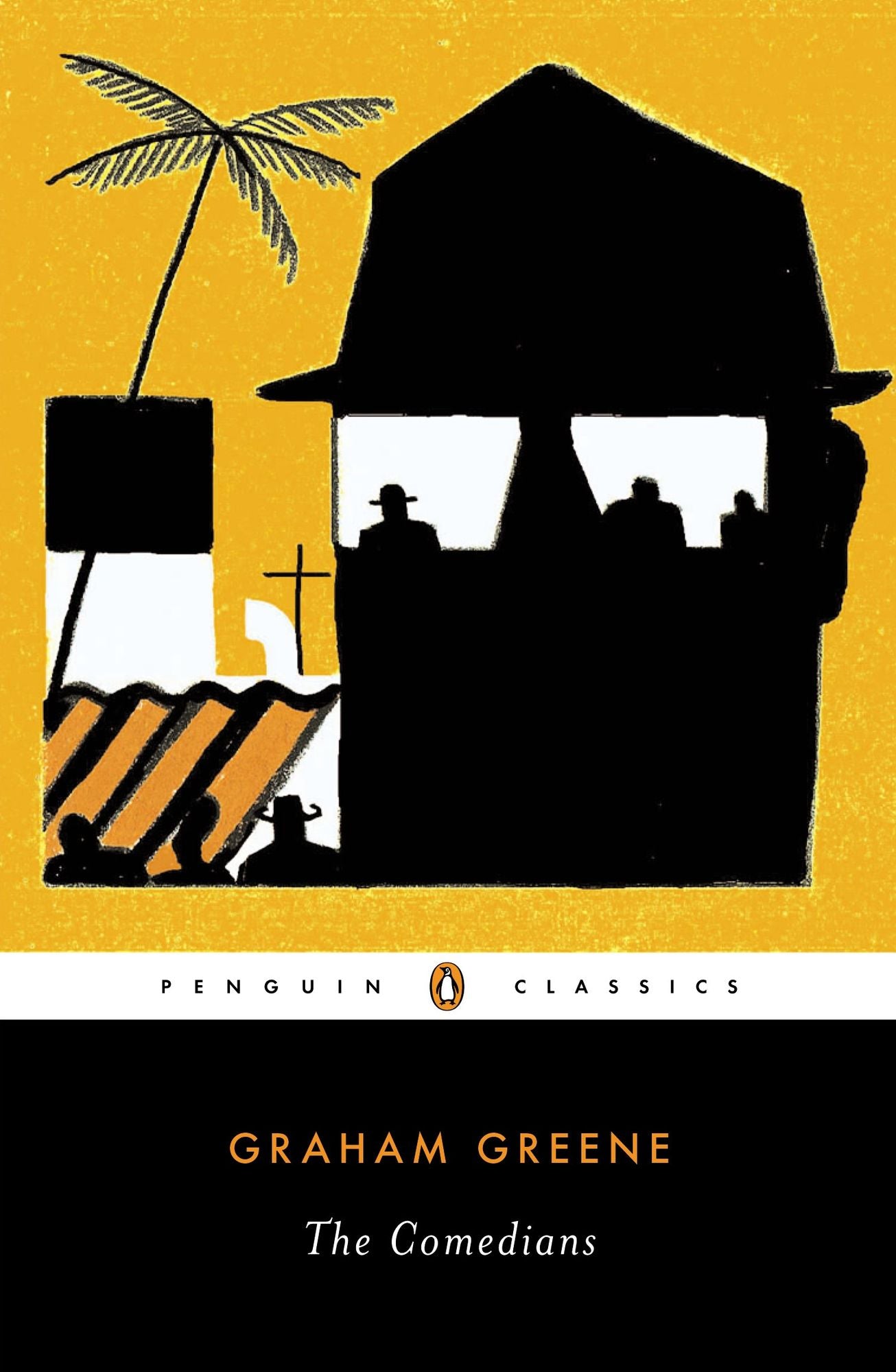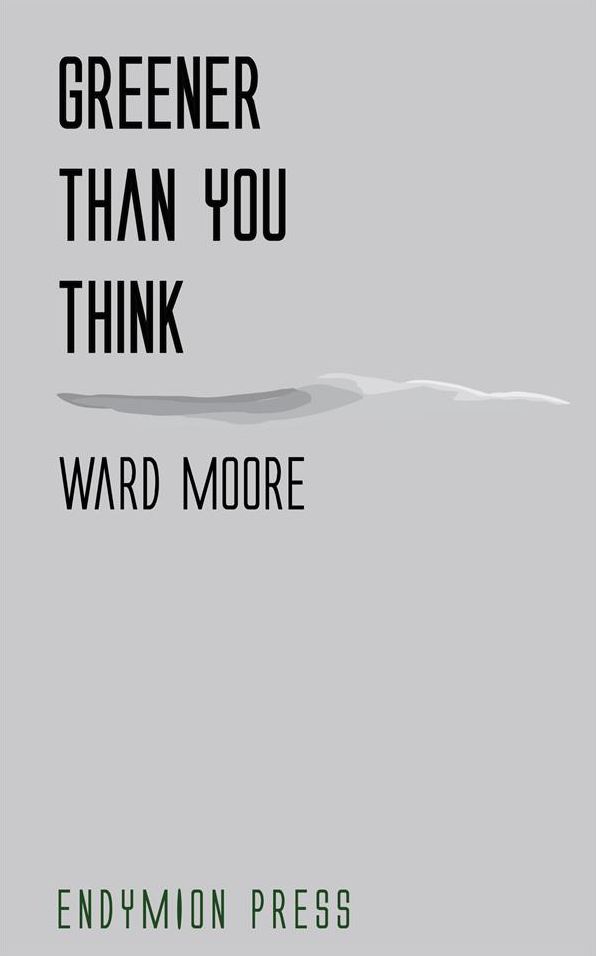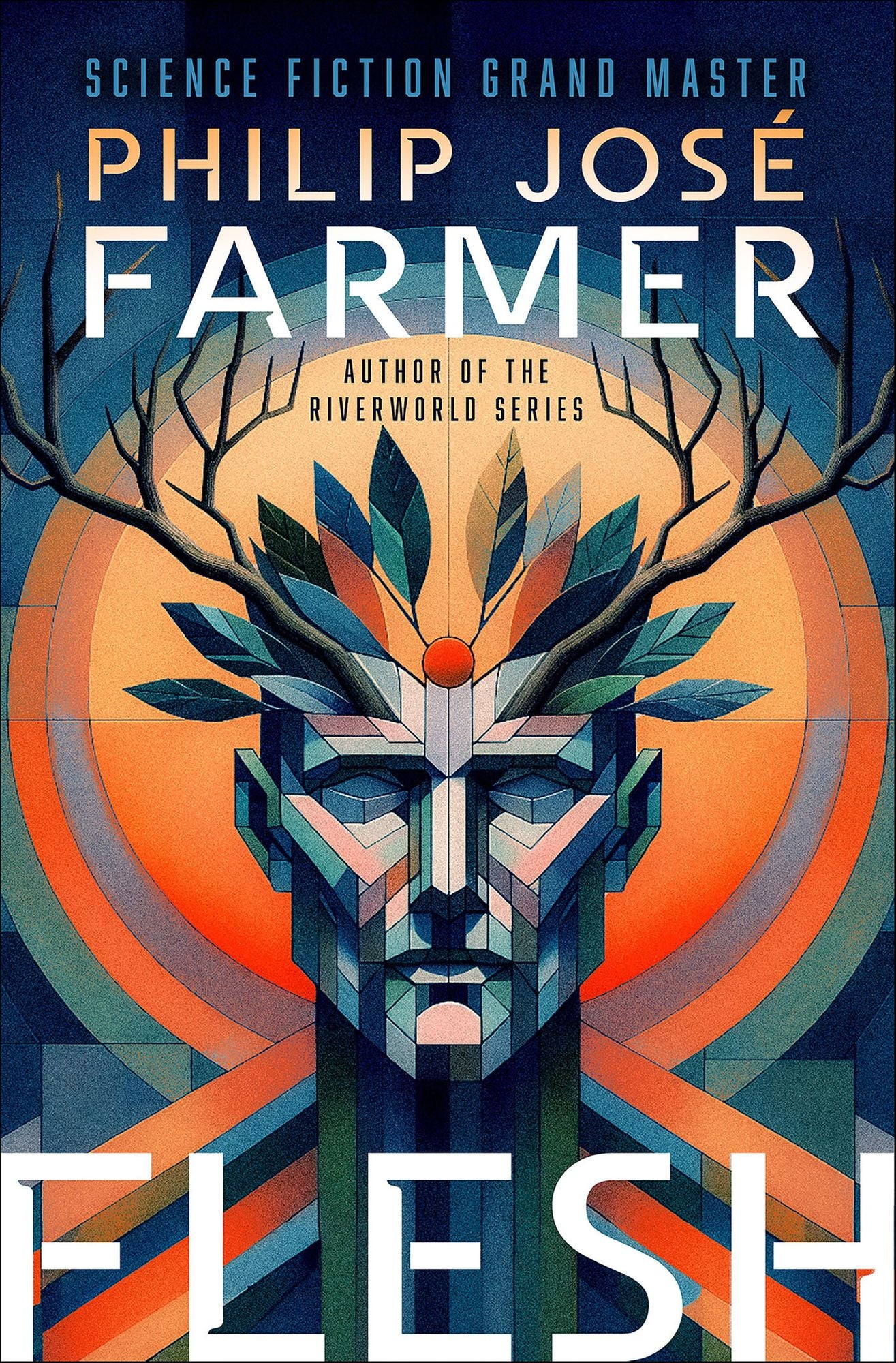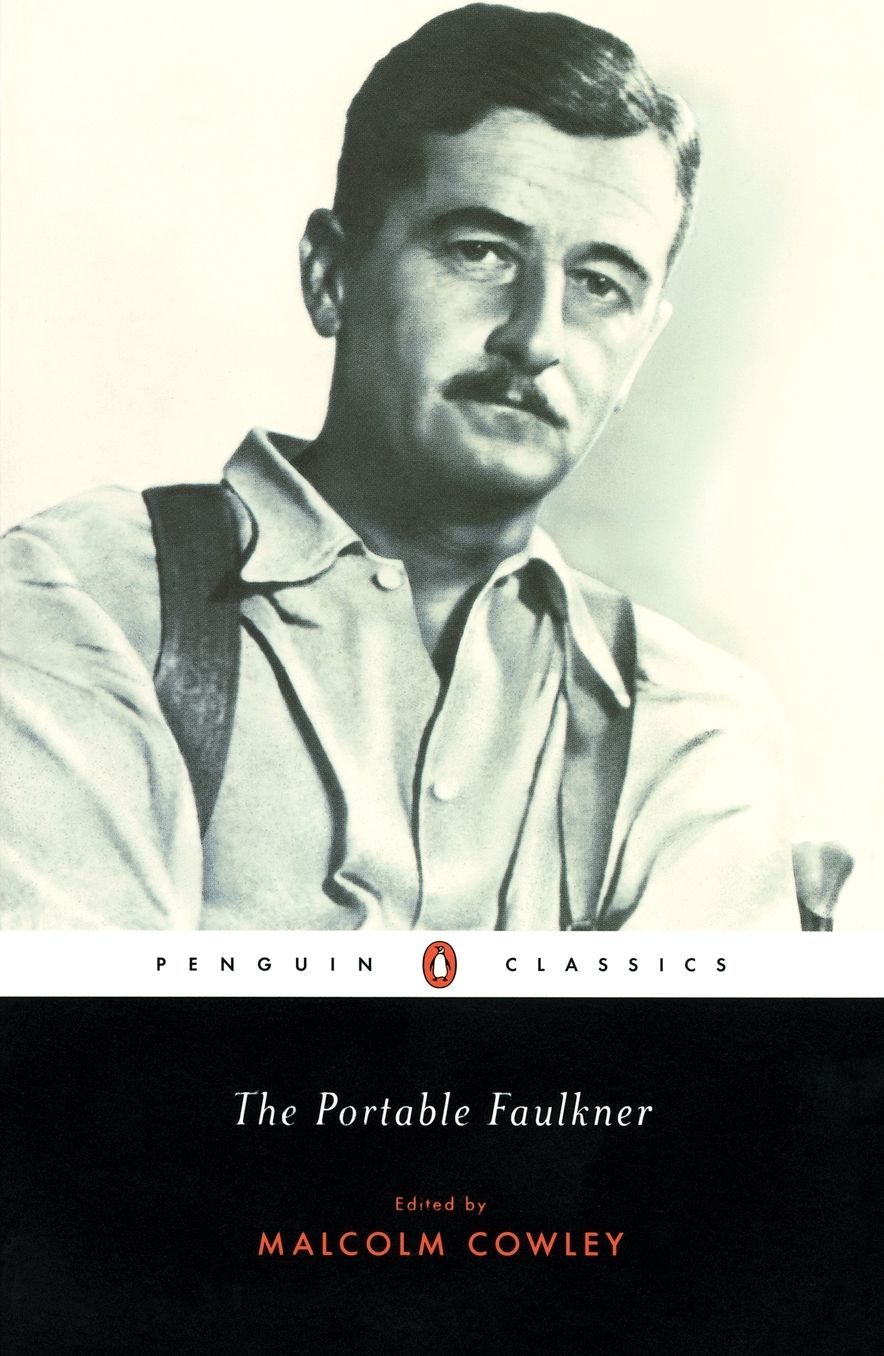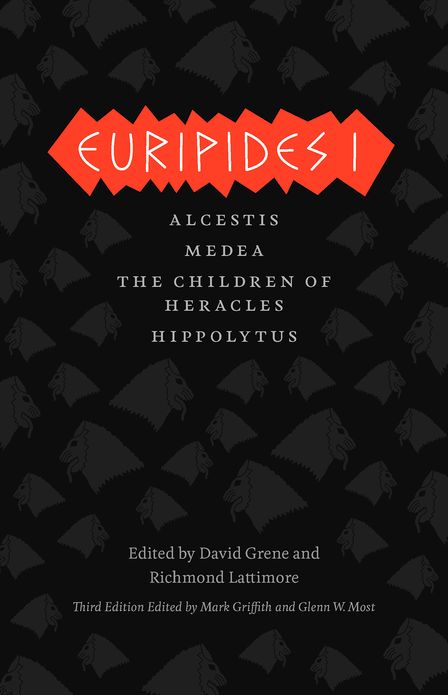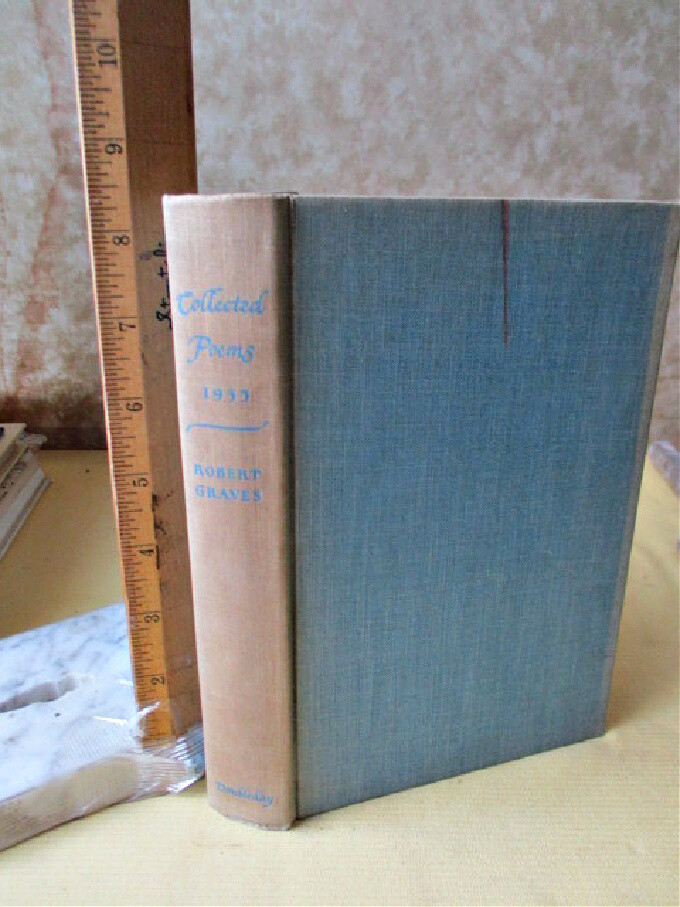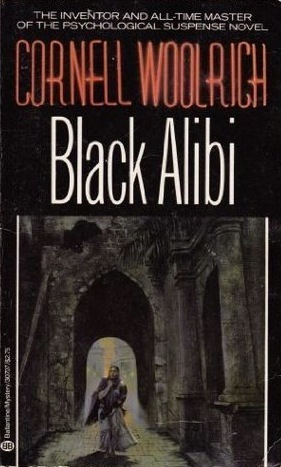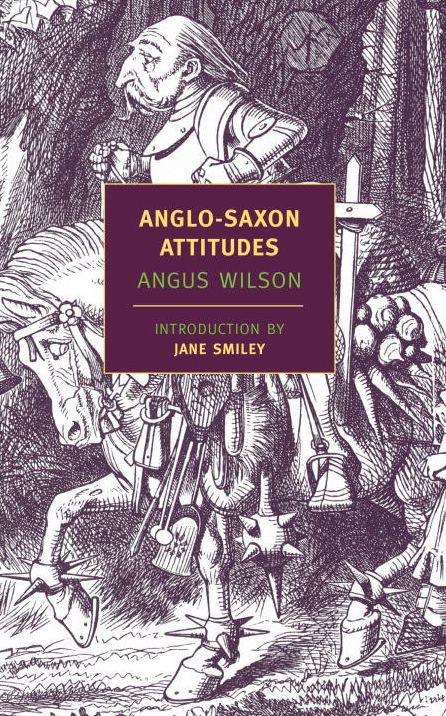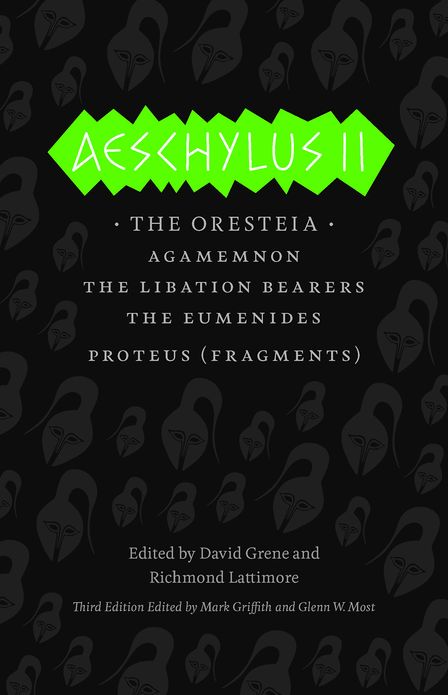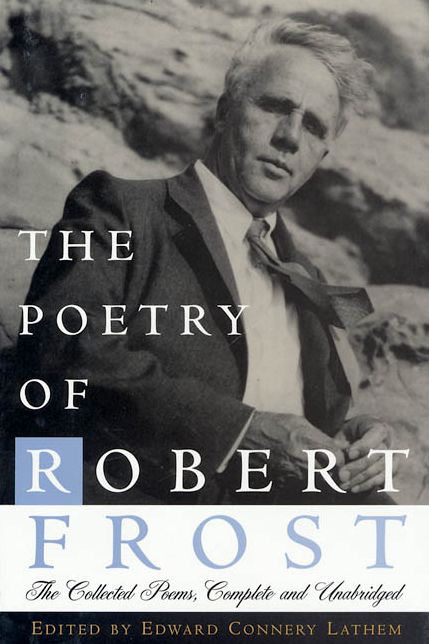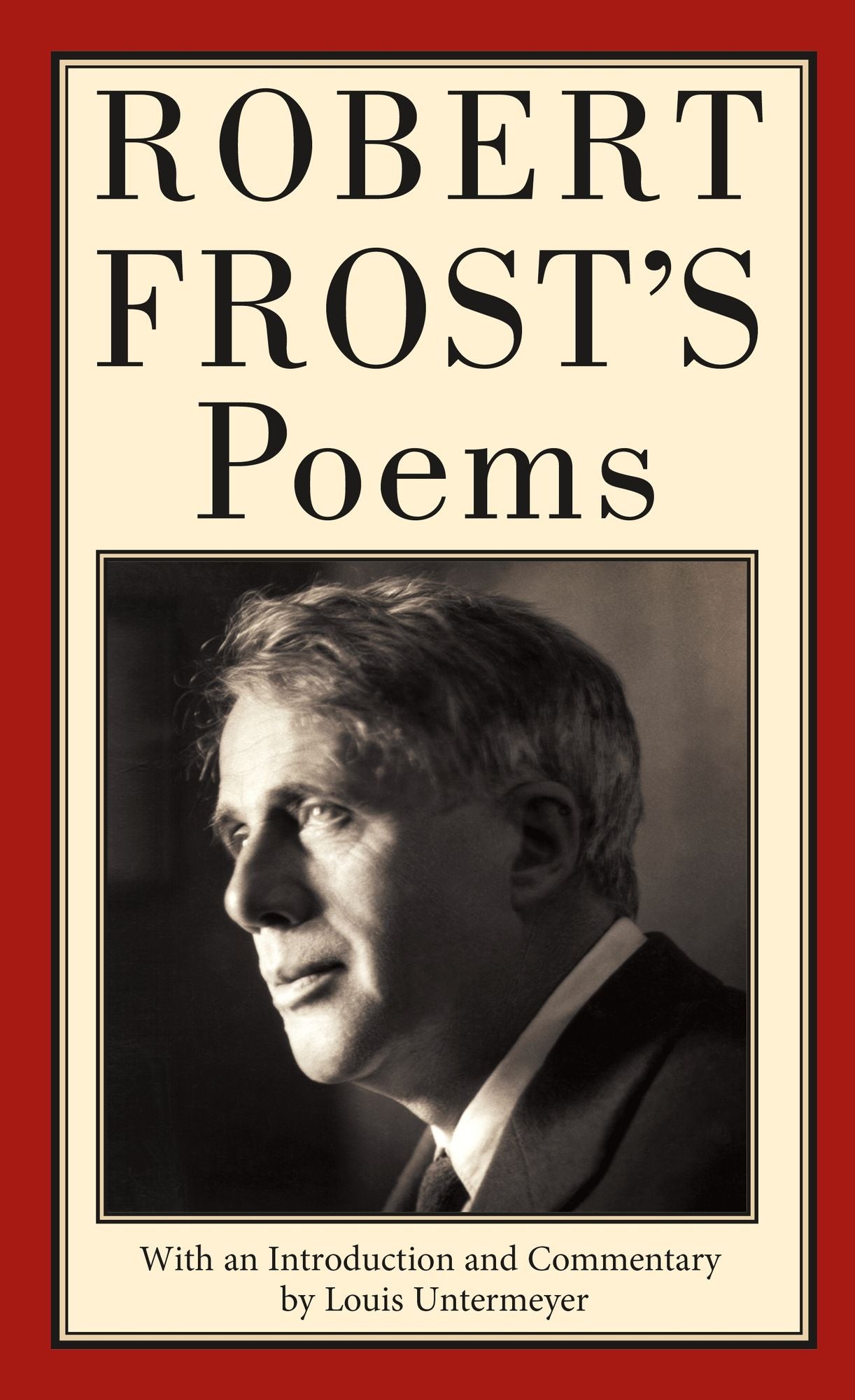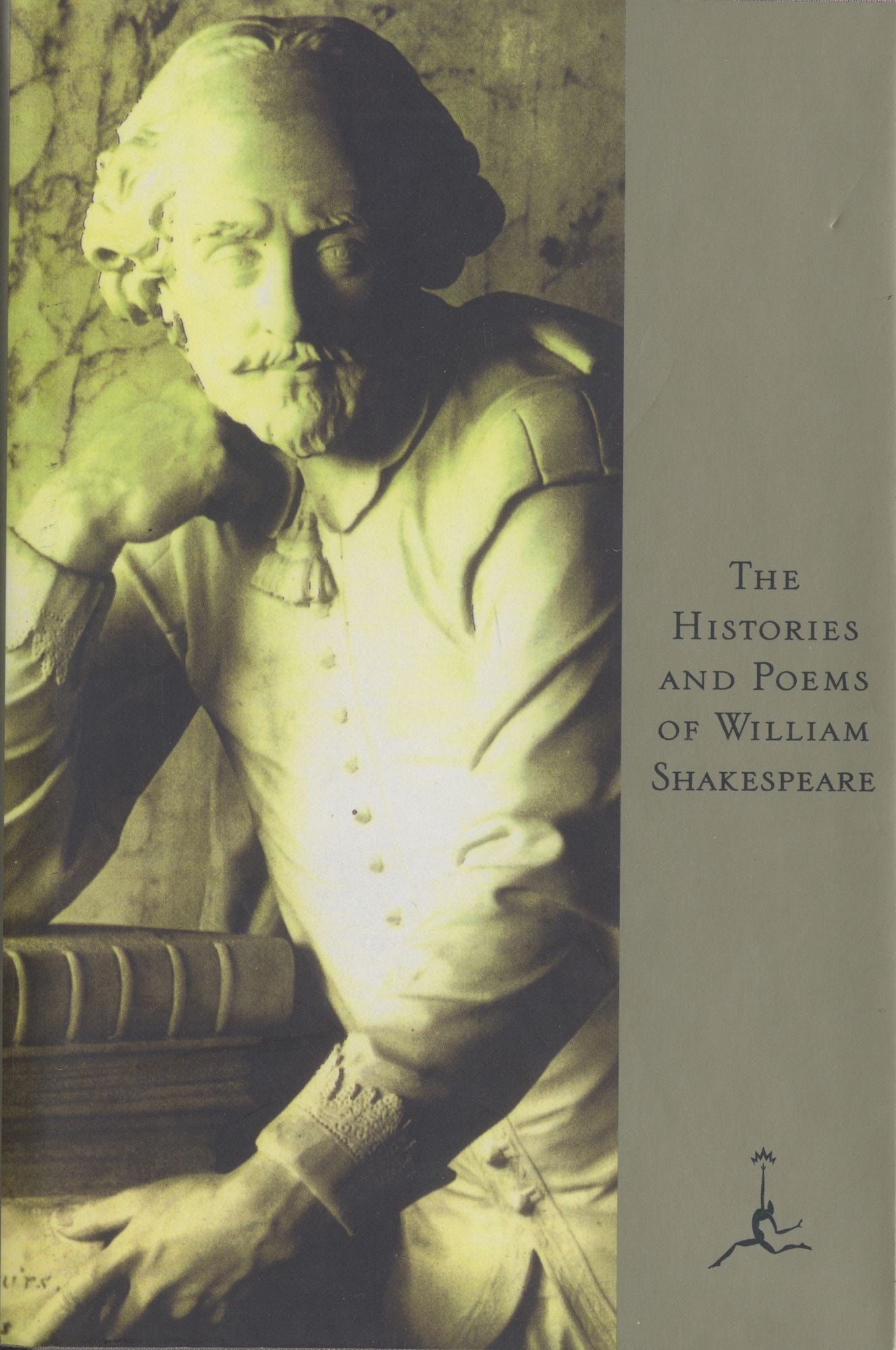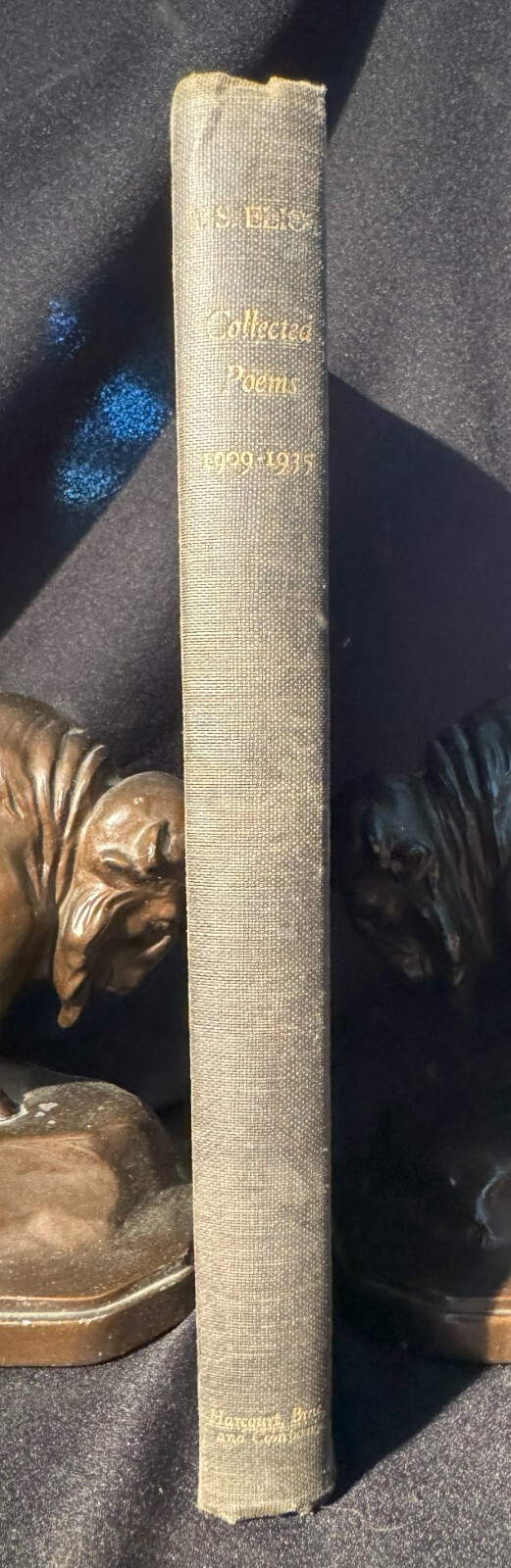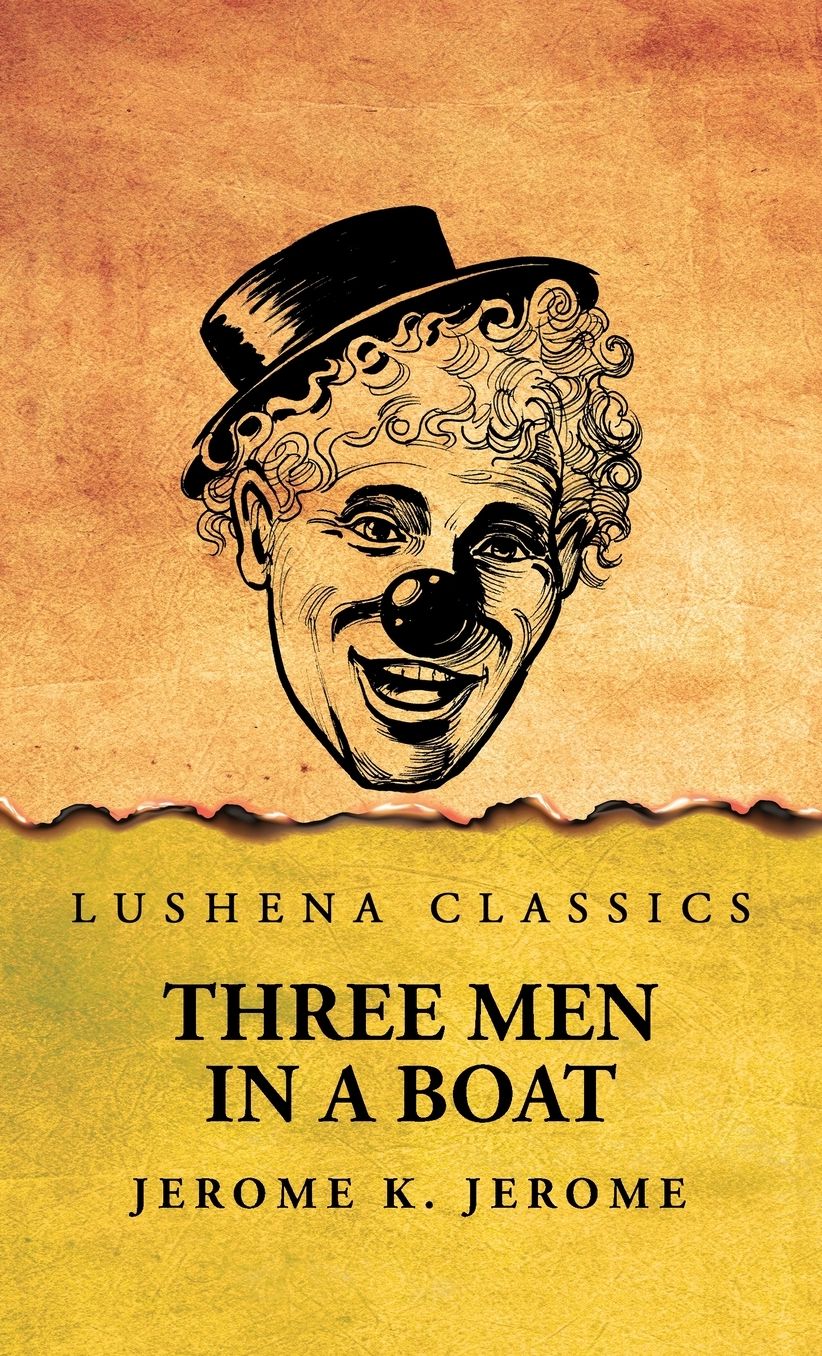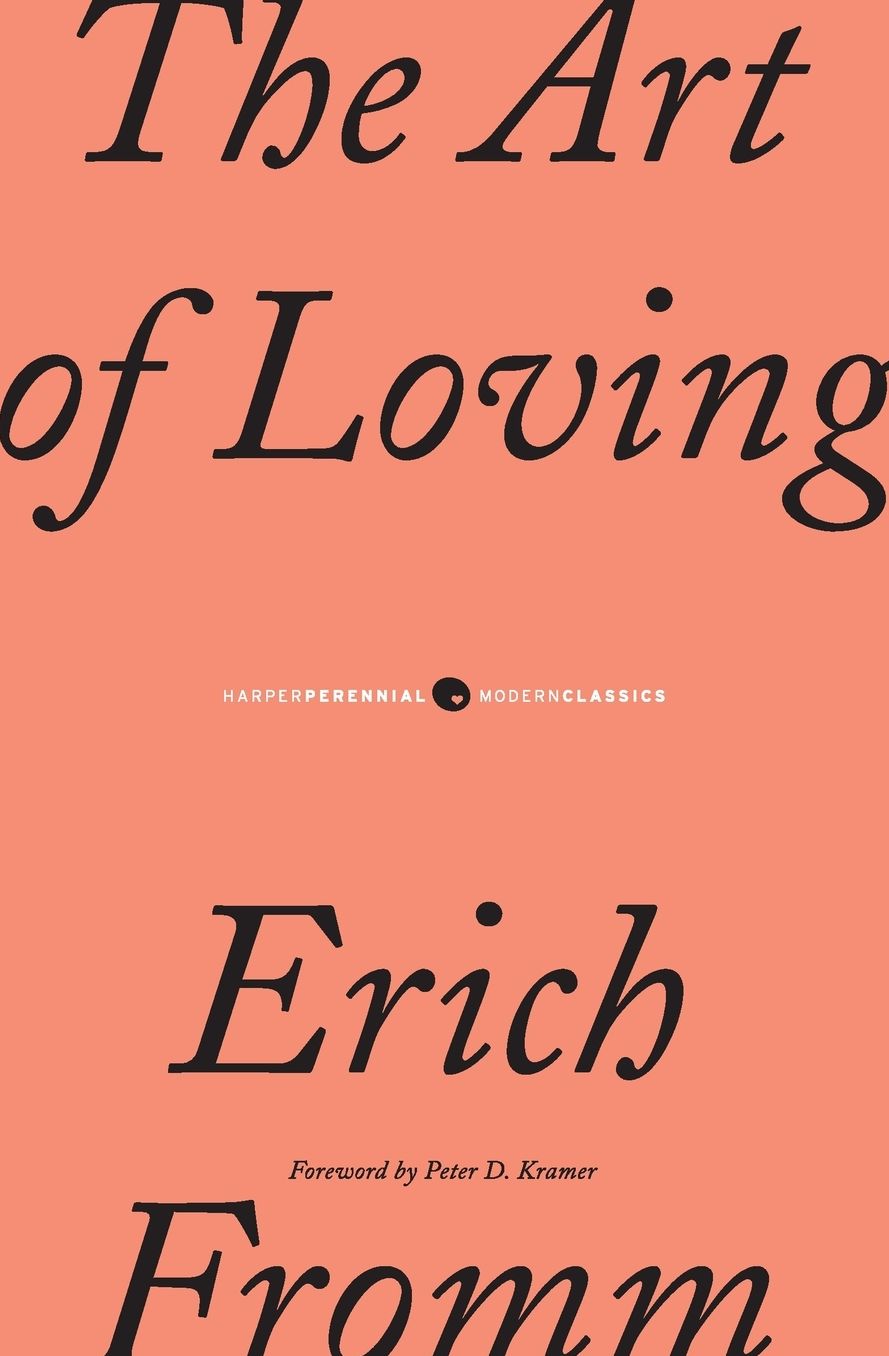



A book from Ray's treasured library.
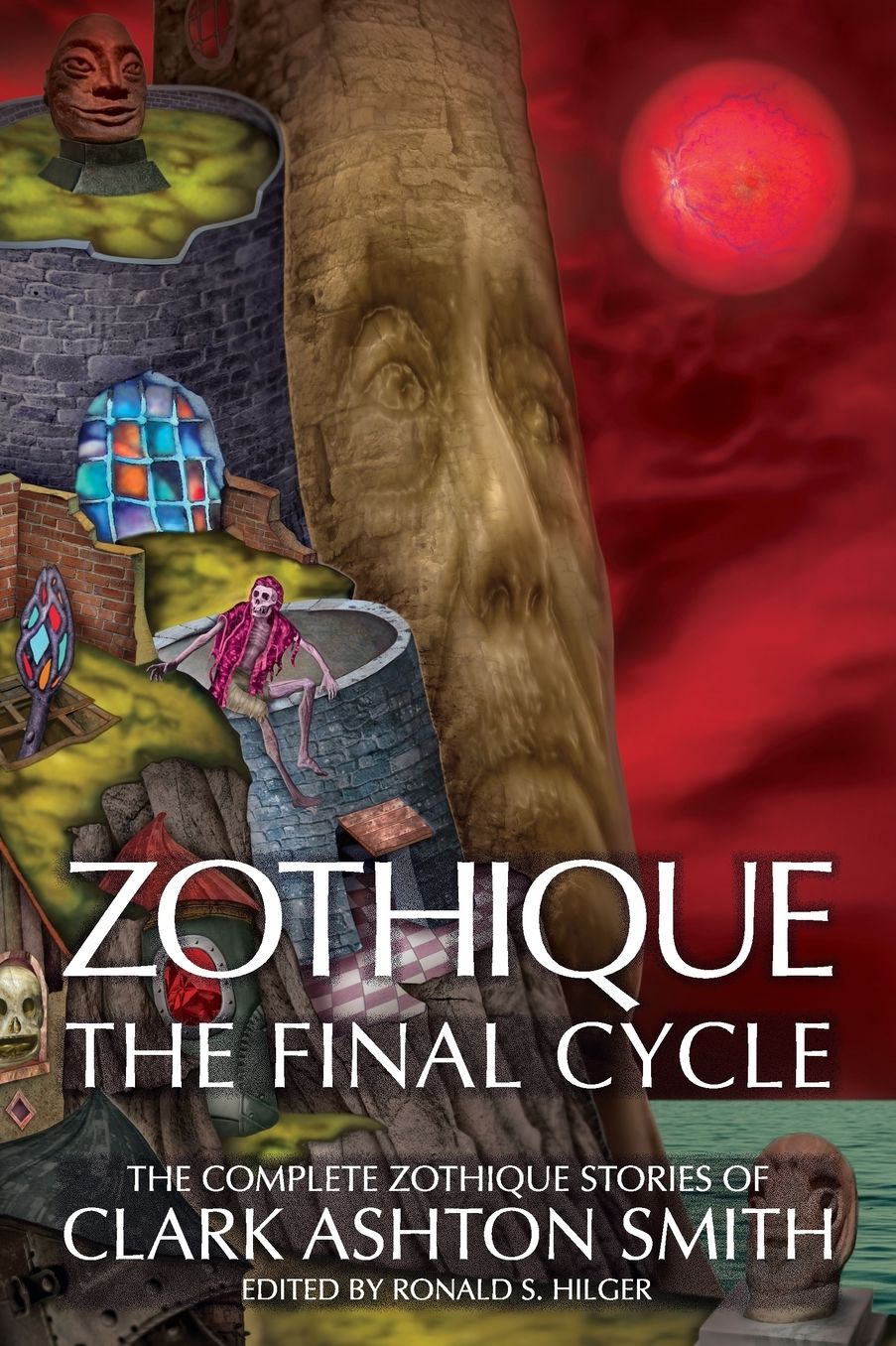
A book from Ray's treasured library. Ray said Smith's stories “filled my mind with incredible worlds, impossibly beautiful cities, and still more fantastic creatures”, Smith was one of the writers who first set him on the path to becoming a writer.
A book from Ray's treasured library.
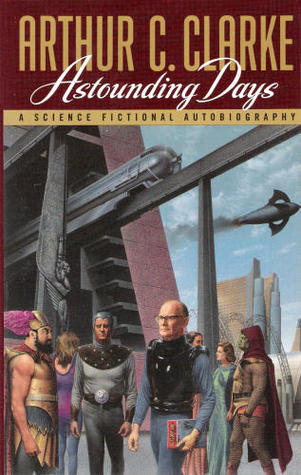
A book from Ray's treasured library. Clarke and Ray were contemporaries of the same golden age of science fiction, moving in overlapping circles of writers, editors and fans for decades.
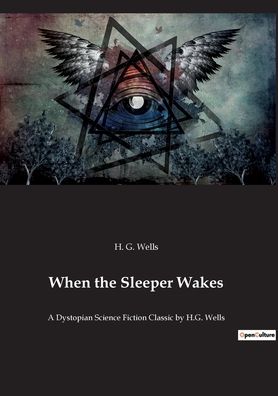
A book from Ray's treasured library. Ray named Wells as one of the writers who first set his childhood imagination on fire.

A book from Ray's treasured library.
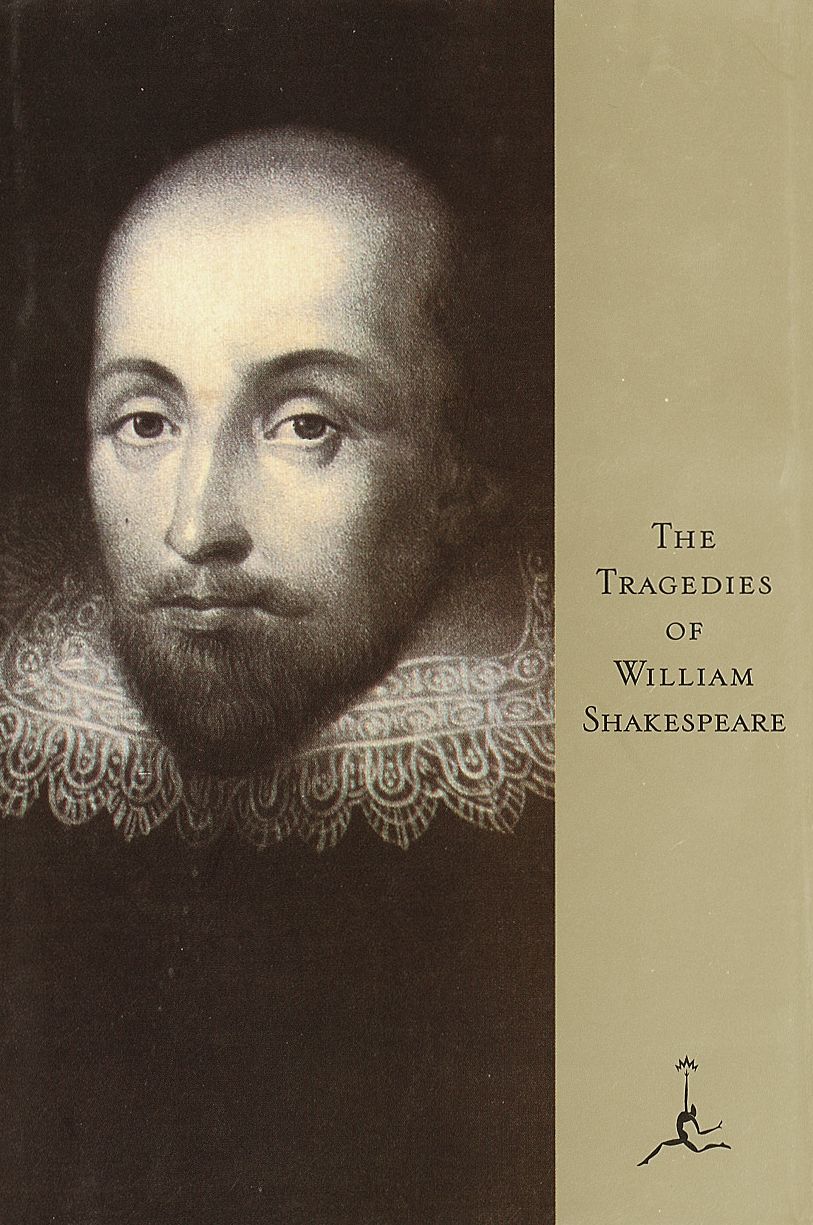
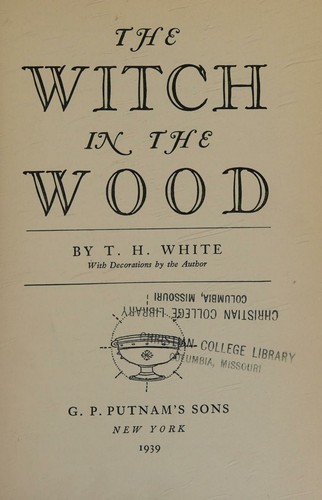
A book from Ray's treasured library. The title of Ray's own novel Something Wicked This Way Comes is a direct line from Macbeth, spoken by a witch as she senses Macbeth's approach.
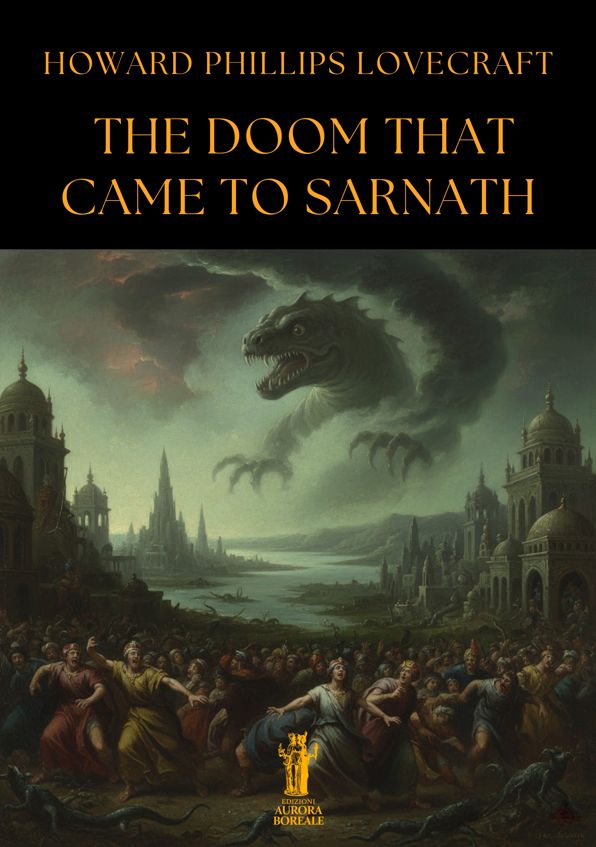
A book from Ray's treasured library. Ray grew up reading Weird Tales, the pulp magazine that made Lovecraft's name, part of the same formative diet of pulp horror and wonder that shaped his own early stories.
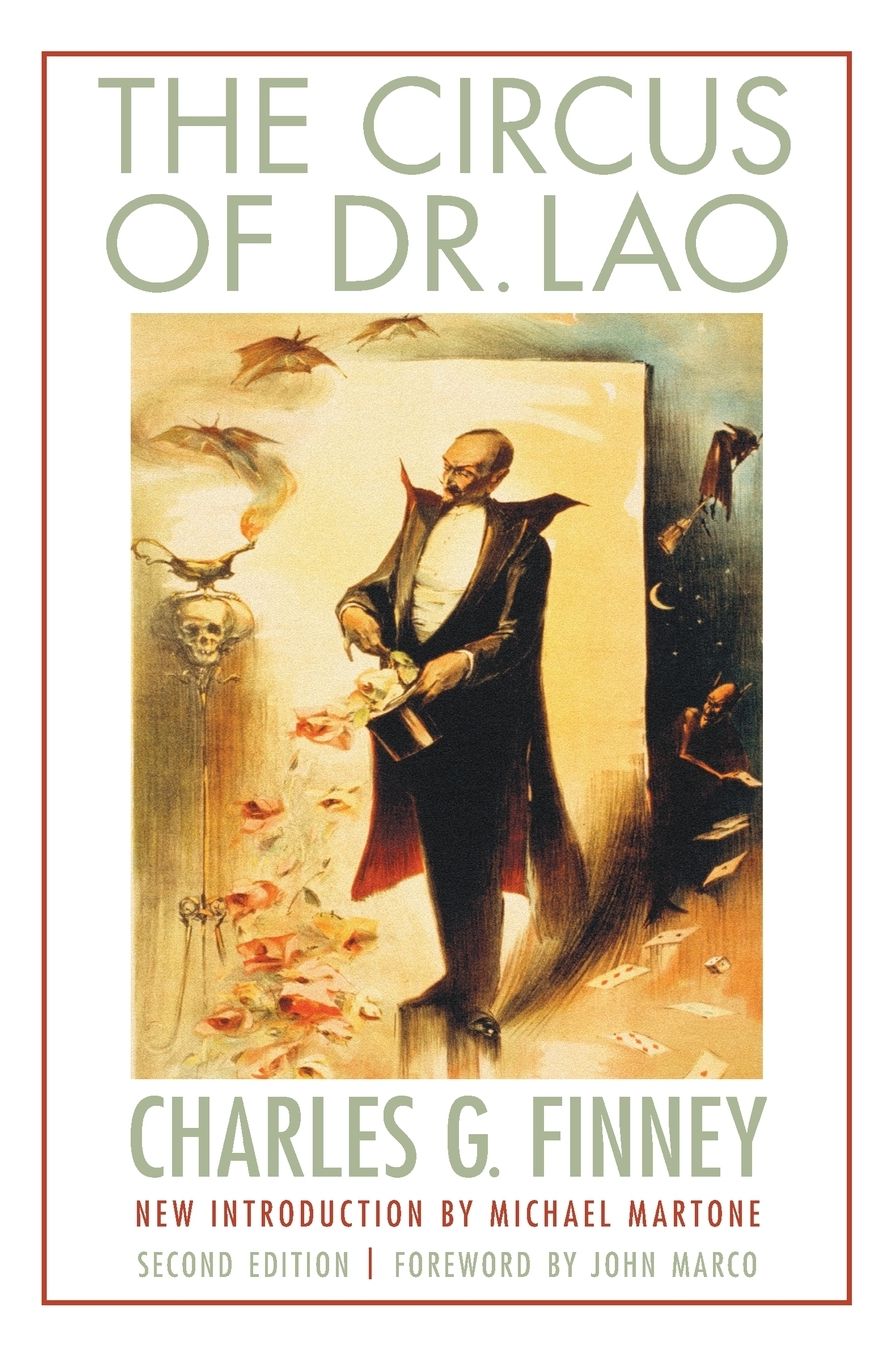
A book from Ray's treasured library.
A book from Ray's treasured library. Ray named Wells, alongside Jules Verne and Edgar Rice Burroughs, as one of the writers who first set his childhood imagination on fire.
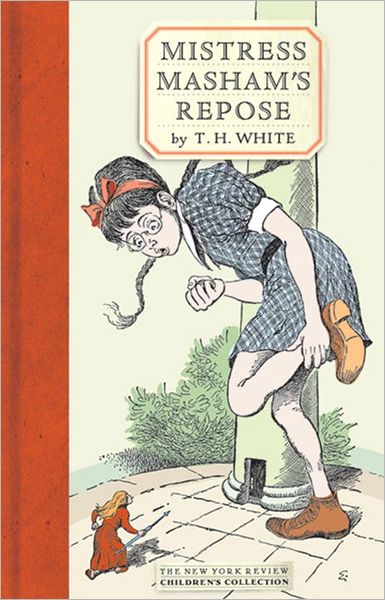
A book from Ray's treasured library.
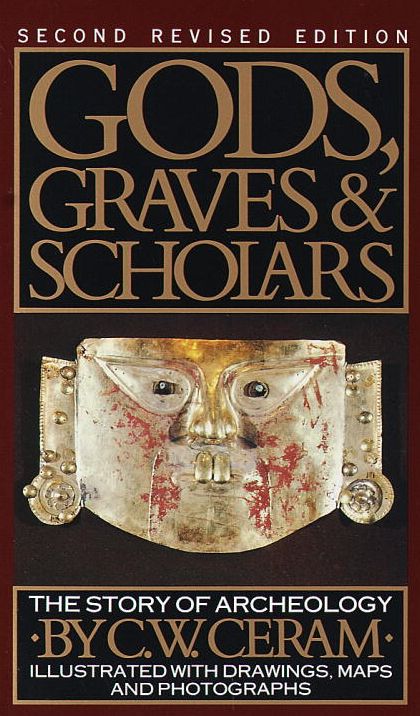
A book from Ray's treasured library.
A book from Ray's treasured library. Ray borrowed the title of his own story collection I Sing the Body Electric! directly from Whitman's poem of the same name.
A book from Ray's treasured library. Ray named Wells, alongside Jules Verne and Edgar Rice Burroughs, as one of the writers who first set his childhood imagination on fire.
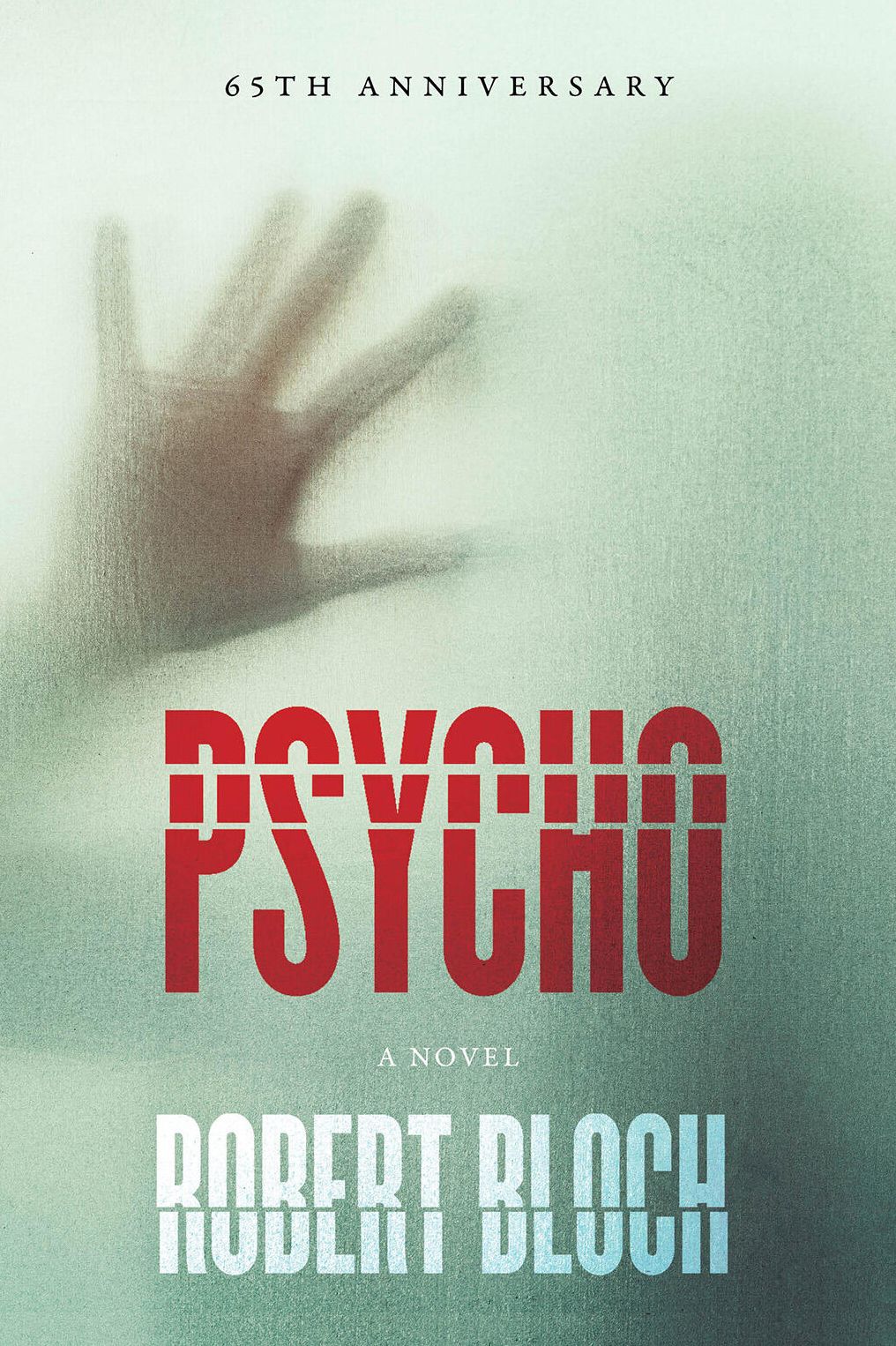
A book from Ray's treasured library. Bloch and Ray were genuine friends, having met in Milwaukee in the 1940s, they even published a joint story collection together in 1969, Bloch and Bradbury: Whispers from Beyond.
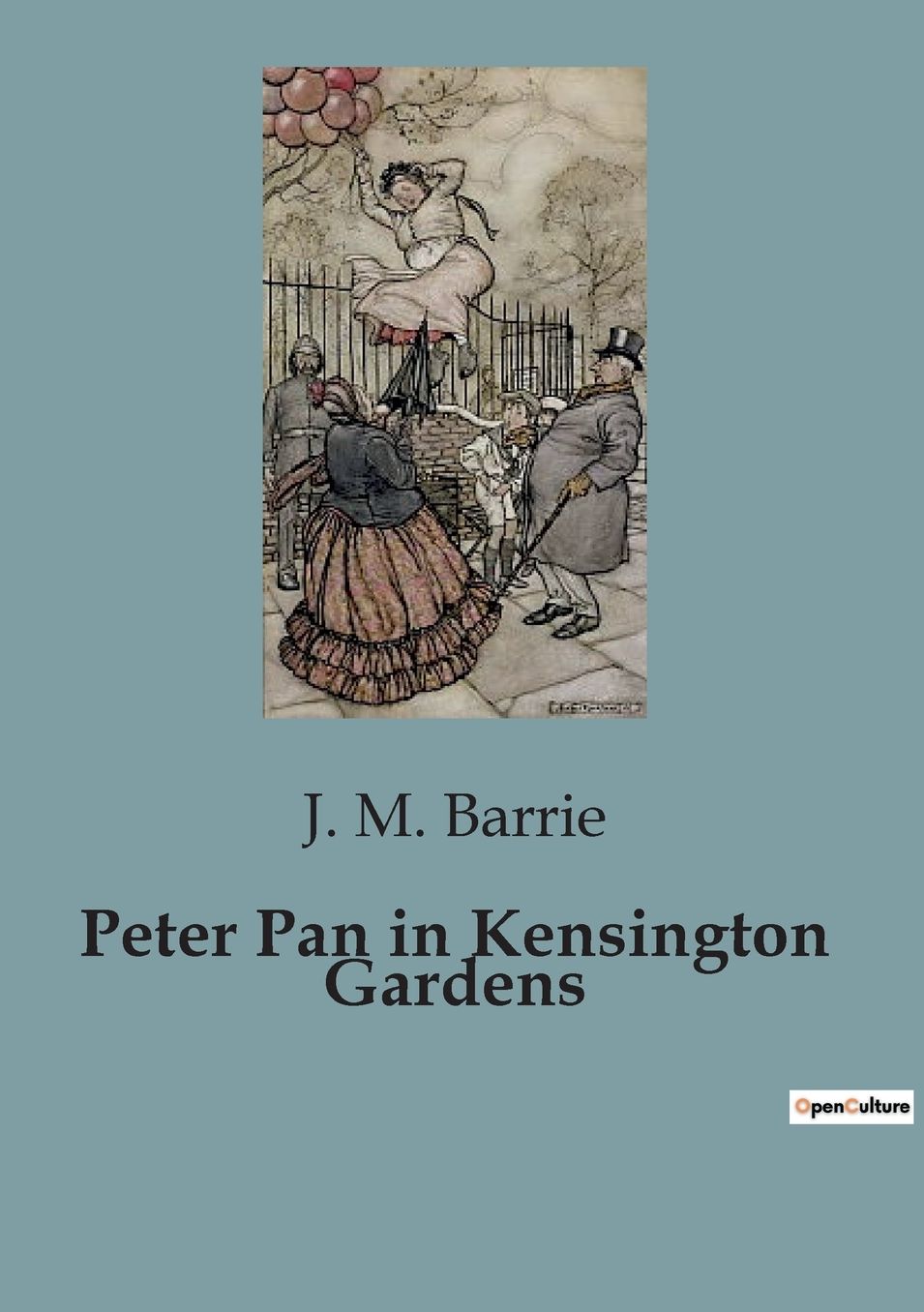
A book from Ray's treasured library. Ray called Peter Pan one of his own touchstones, he spoke often about refusing to grow up, modelling his own restless imagination on Barrie's boy who wouldn't.
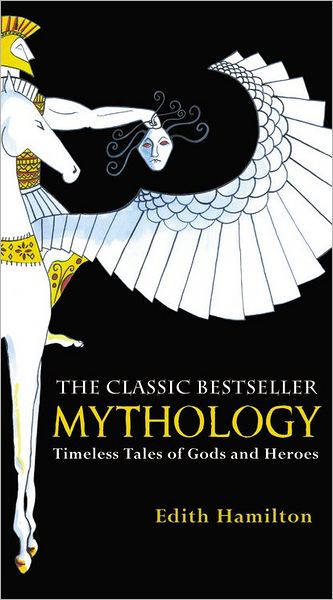
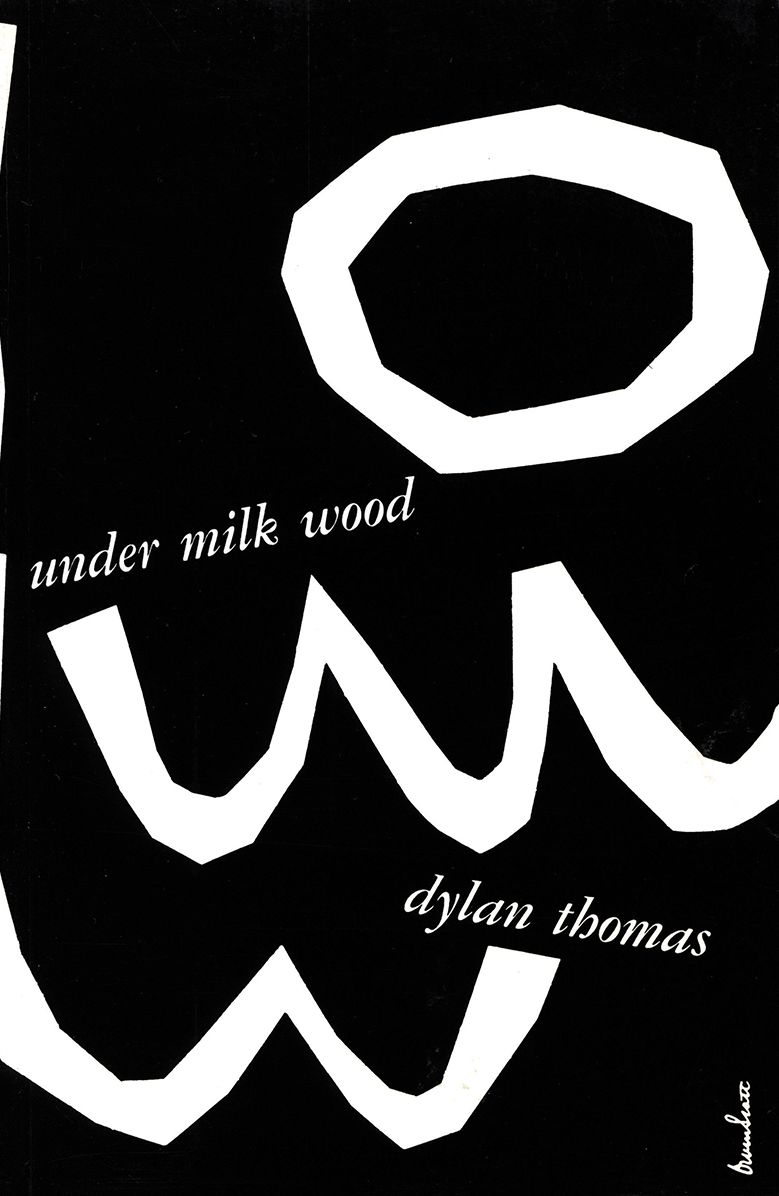
A book from Ray's treasured library. Myths like these, of gods, monsters and mortals reaching beyond their limits, run through nearly everything Ray wrote.
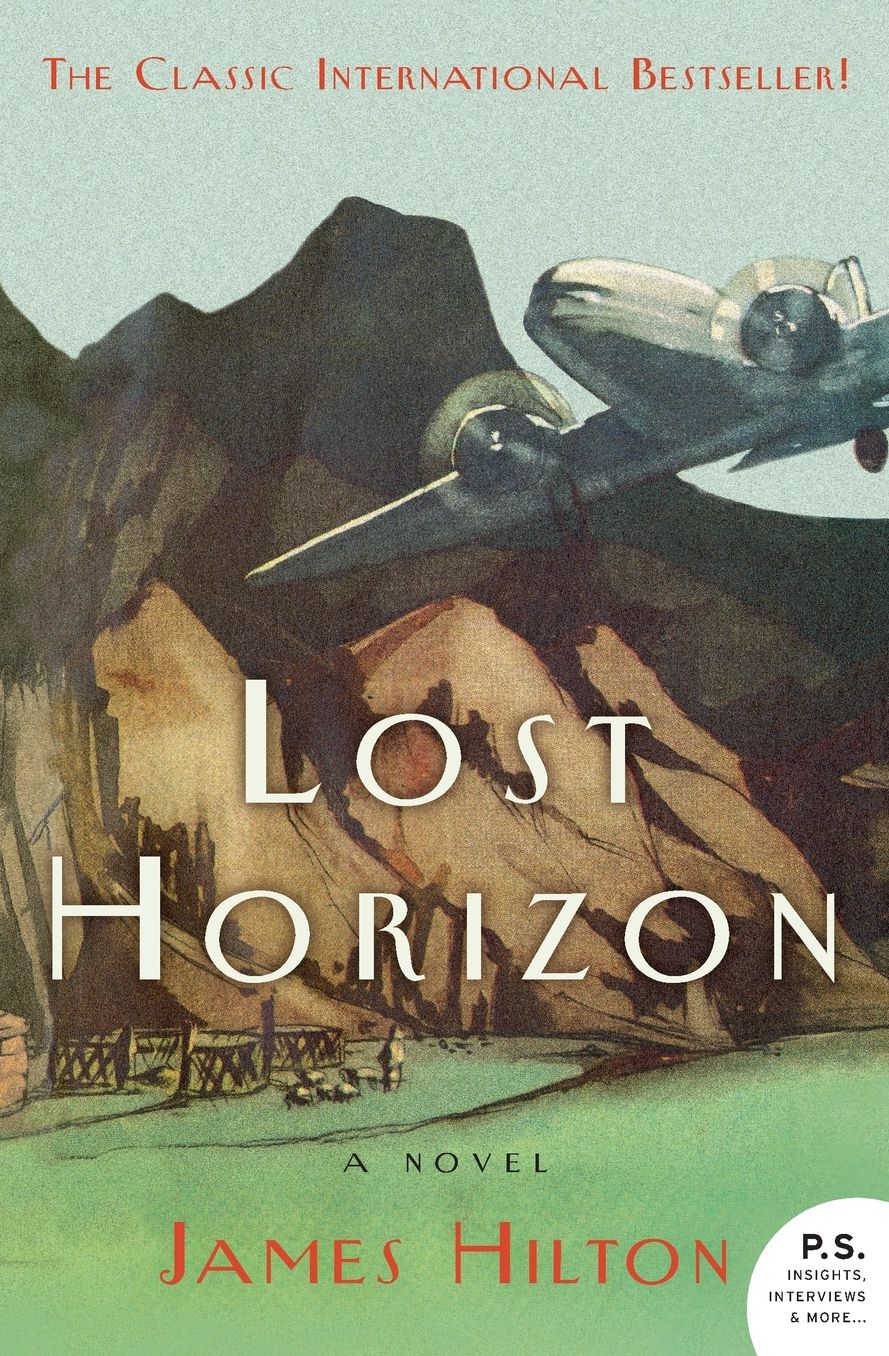
A book from Ray's treasured library.

Walking a beach at dusk, a man spots an old, shirtless stranger drawing extraordinary figures directly into the wet sand with a stick, gods, animals, entire myths, knowing the tide will erase every one of them within the hour. He suspects, correctly, exactly who it is. Based on a real anecdote about Picasso, this quiet, beautiful story is Bradbury's meditation on art made purely for its own sake, and the reverence of knowing when not to interrupt it.
Centuries from now, humanity has reached the stars but can't find a writer equal to describing them, so a time machine reaches back and pulls the American novelist Thomas Wolfe from his deathbed to try. It's Bradbury's tribute to one of his own literary heroes, and a very personal question dressed up as science fiction: what does it actually take, as a writer, to be equal to wonder this large?
Backstage at a theatre, a ventriloquist's dummy, Riabouchinska, appears to speak without her performer's help, and what she says points straight at a killer. Bradbury plays beautifully with the unease of a voice that shouldn't exist, blurring performer and puppet until you're no longer sure which one is really talking. Fittingly, this one comes from the very collection that lent its name to the Machine of Joy itself.
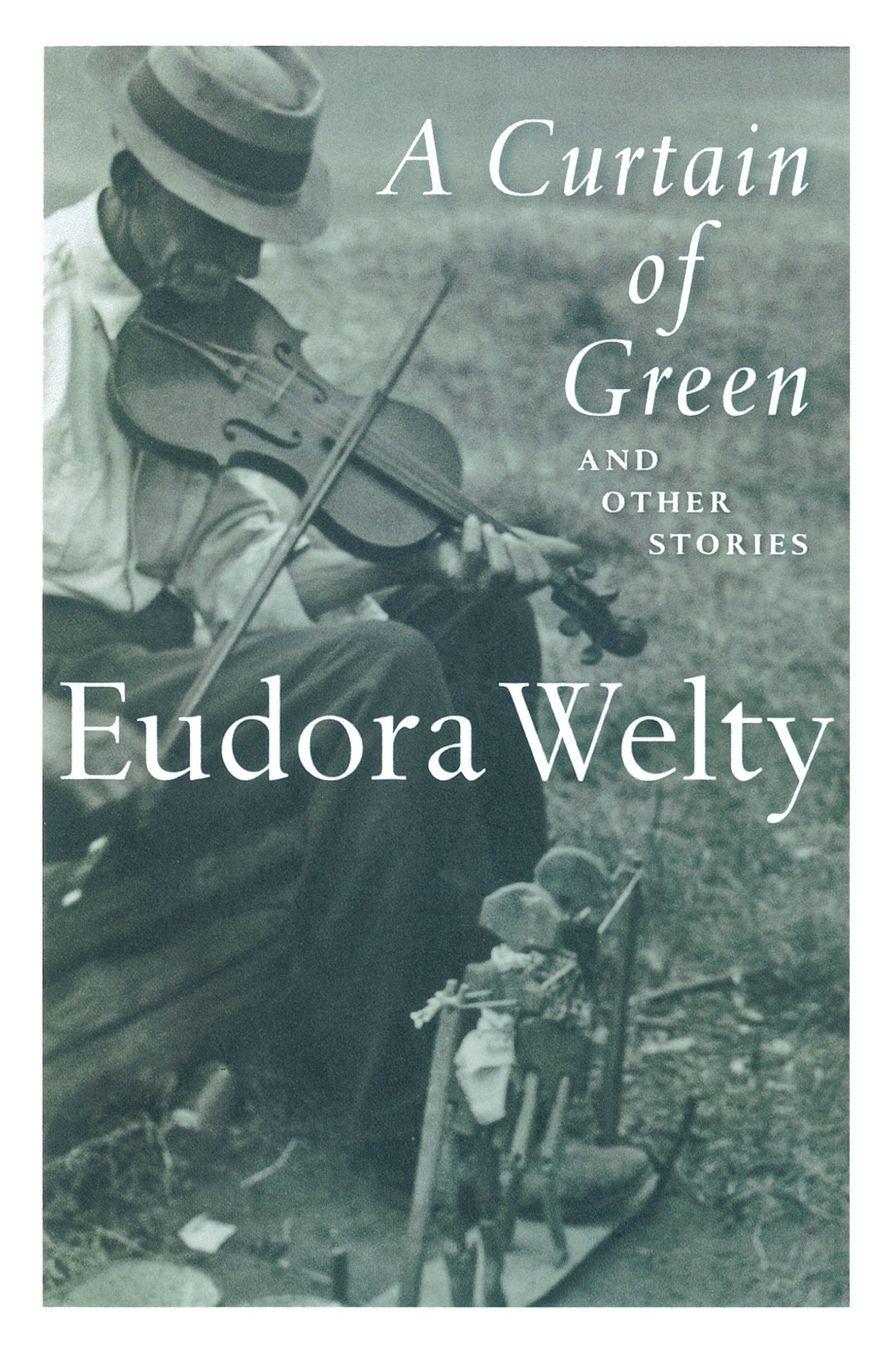
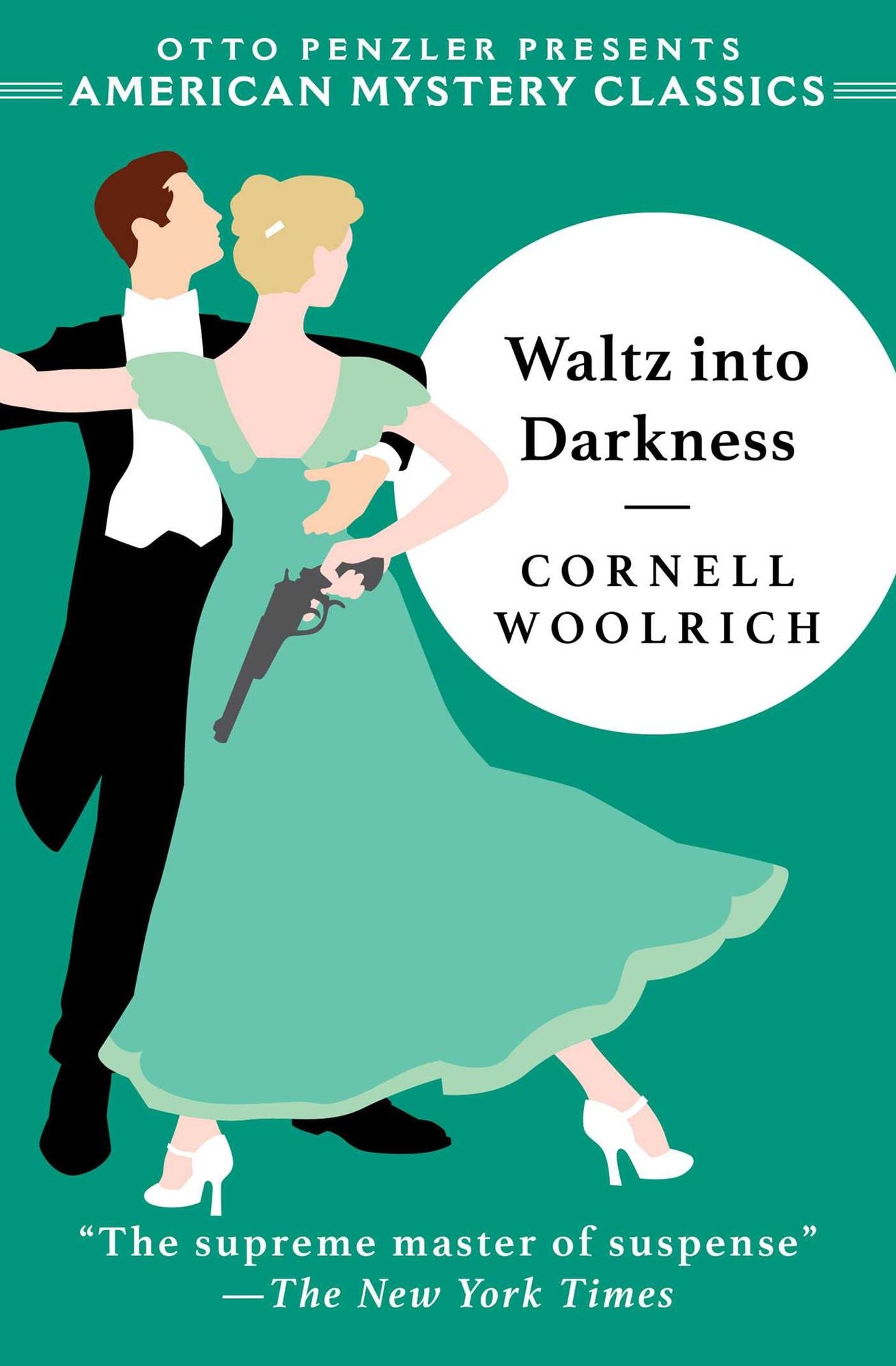
A time traveller arrives at the door of an ageing, unravelling Ernest Hemingway, carrying a very particular kind of gift. Bradbury adored Hemingway's writing without ever wanting to imitate it, and this story reads like a tribute from one storyteller to another: about legacy, dignity, and what we owe the writers who first showed us what language could do.’
In a run-down hotel at the edge of a desert, three old men decide that if the sky won't rain on its own, they'll simply have to talk it into doing so. What follows is whimsical, funny, and quietly hopeful, Bradbury's belief that stubbornness and imagination, applied together, can move something as vast as weather. A perfect small story about refusing to accept that a thing you love has to die.
The Prentiss family have given up everything for a fresh start on Mars, and it isn't going well, until they unpack one last crate: a small, coloured window from their old porch back home. Bradbury was endlessly interested in how small, ordinary objects carry enormous emotional weight, and this story, wistful and tender, is one of the gentlest examples of that idea he ever wrote.
Old Granny has lived her entire life unable to read, until her niece, Bella, decides to change that. Watching an adult discover written language for the first time, the shock, then the hunger of it, is one of Bradbury's most quietly moving portraits of what a book can do. Given everything the Bradbury Center stands for, this one feels like it was always meant to sit at the heart of the Machine of Joy.
Dudley Stone was once the finest writer of his generation, and then, deliberately, he burned it all down: gave away his money, alienated his friends, wrote deliberately terrible books, and let his reputation collapse entirely. His old friends assume he's lost his mind. He'd tell you he's found it. A funny, strange, quietly defiant story about the cost of other people's expectations, and what it might actually take to become yourself.
A couple flee a collapsing, authoritarian future to a four-hundred-year-old New England farmhouse, complete with a “witch door”, a hidden room once used to shelter women accused of witchcraft. When a stranger bursts free of it in the night, they realise the door may still lead somewhere. Written late in Bradbury's career, it's proof he never lost his appetite for folding history, horror and science fiction into a single tight, satisfying twist.
Two lighthouse keepers sit through a fogbound November night, and one tells the other about the thing that comes every year when the foghorn sounds, a creature from impossibly deep water, convinced by the horn's lonesome call that it has finally found another of its own kind. Later loosely adapted into the film The Beast from 20,000 Fathoms, the story itself is something gentler and sadder than a monster movie: a meditation on loneliness so complete it can be mistaken, tragically, for love.
A survey crew lands on a planet that appears to be paradise itself: whatever a person needs seems to simply appear. Most of the crew is content to wonder at it. One isn't, and wants to know exactly how far the planet's generosity extends. Part eco-fable, part gentle ghost story, “Here There Be Tygers” is Bradbury in full command of a very old idea, that a place can love you back, if you let it, and that greed is the one thing it won't forgive.
Braling has a secret: an exact robotic double of himself, built so he can slip away from his controlling wife while “he” stays home and behaves. It's darkly funny for most of its length, right up until Bradbury tightens the screw on a final page you won't see coming. A sly, uneasy little fable about technology, avoidance, and what happens when the version of yourself you send to do the hard work starts to prefer it there.
On a world circling twin suns, human colonists live, age, and die within a single eight-day cycle, and generation after generation has tried and failed to finish the spaceship that might carry their descendants somewhere kinder. “Frost and Fire” moves at a sprint, because its characters have no choice but to: childhood, adulthood and old age all arrive before breakfast, and every decision is made against an impossibly short clock. One of Bradbury's most breathless, purely propulsive stories.
As Earth slides toward war, families flee to Mars, and the planet begins to remake them, generation by generation, until their children barely remember they were ever from anywhere else. It's a quiet, unsettling piece of slow-burn transformation, less interested in spectacle than in the strange comfort of belonging to a new place. Thematically, it sits right alongside The Martian Chronicles, asking the same question in miniature: what does a new world do to the happen to people who move there?
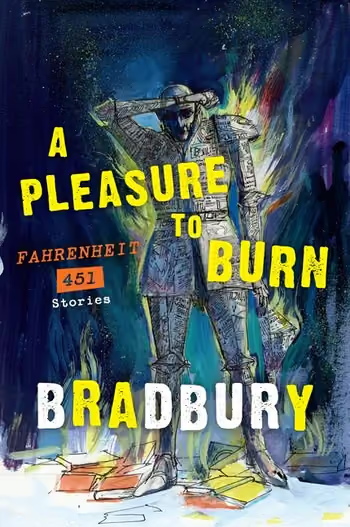
Written during the Second World War, “The Scythe” is one of Bradbury's earliest and darkest stories, a reworking of the Grim Reaper myth into something closer to a war parable. A desperate farmer takes over an abandoned wheat farm, only to discover that each row he cuts with the old scythe in the barn corresponds to a life somewhere in the world. It's unsettling, morally knotty, and a reminder that Bradbury could write pure horror as confidently as wonder.
Short, sharp, and built around one of Bradbury's cleverest twists, “The Dragon” strands two armoured knights on a moor at night, waiting for the beast that's said to haunt it. What they meet instead folds two entirely different kinds of story together in a handful of pages. It's a perfect demonstration of how much atmosphere Bradbury could conjure with almost no space at all, and how comfortably he moved between myth and machine.
A time-travel safari company offers wealthy clients the chance to shoot a Tyrannosaurus rex millions of years in the past, provided they never, ever step off the path. Eckels does. Bradbury popularised the idea of the “butterfly effect” here more than a decade before chaos theory gave it a name, and the story's final page still lands with a quiet, sickening thud. Endlessly taught, endlessly anthologised, and still one of the best time-travel stories anyone has ever written.
One of the most anthologised stories Bradbury ever wrote, and it hasn't dated a single day. The Hadley family's “Happylife Home” does everything for them, including raise their children, and the nursery, a room that renders any daydream in full sensory detail, has started rendering the same daydream over and over: lions, feeding, on the veldt. Written decades before screens babysat entire generations, it's Bradbury at his most quietly terrifying: not a monster story, but a parenting one.
Bradbury never stopped circling Moby-Dick, and this is his most audacious retelling, Melville's novel transposed wholesale into deep space. Captain Sam Hollis, blinded by a comet years before, commands a crew across the void in pursuit of the very thing that took his sight. First written as a radio play and later expanded into a novella, it's vintage Bradbury: myth and star-travel fused together, proof that for him the oldest stories and the newest frontiers were always telling the same tale.
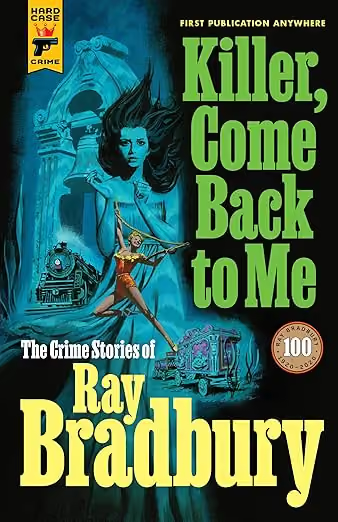
Bradbury's noir trilogy, Death Is a Lonely Business, A Graveyard for Lunatics, and Let's All Kill Constance, follows an unnamed young writer modelled closely on Bradbury himself, chasing a killer through a Los Angeles of fading carousel horses, condemned piers, and old Hollywood ghosts. It's a love letter to the hardboiled detective fiction Bradbury grew up devouring, filtered through his own unmistakably lyrical, melancholy voice. Equal parts mystery and elegy for a vanishing city, read these if you think you already know everything Bradbury could do.
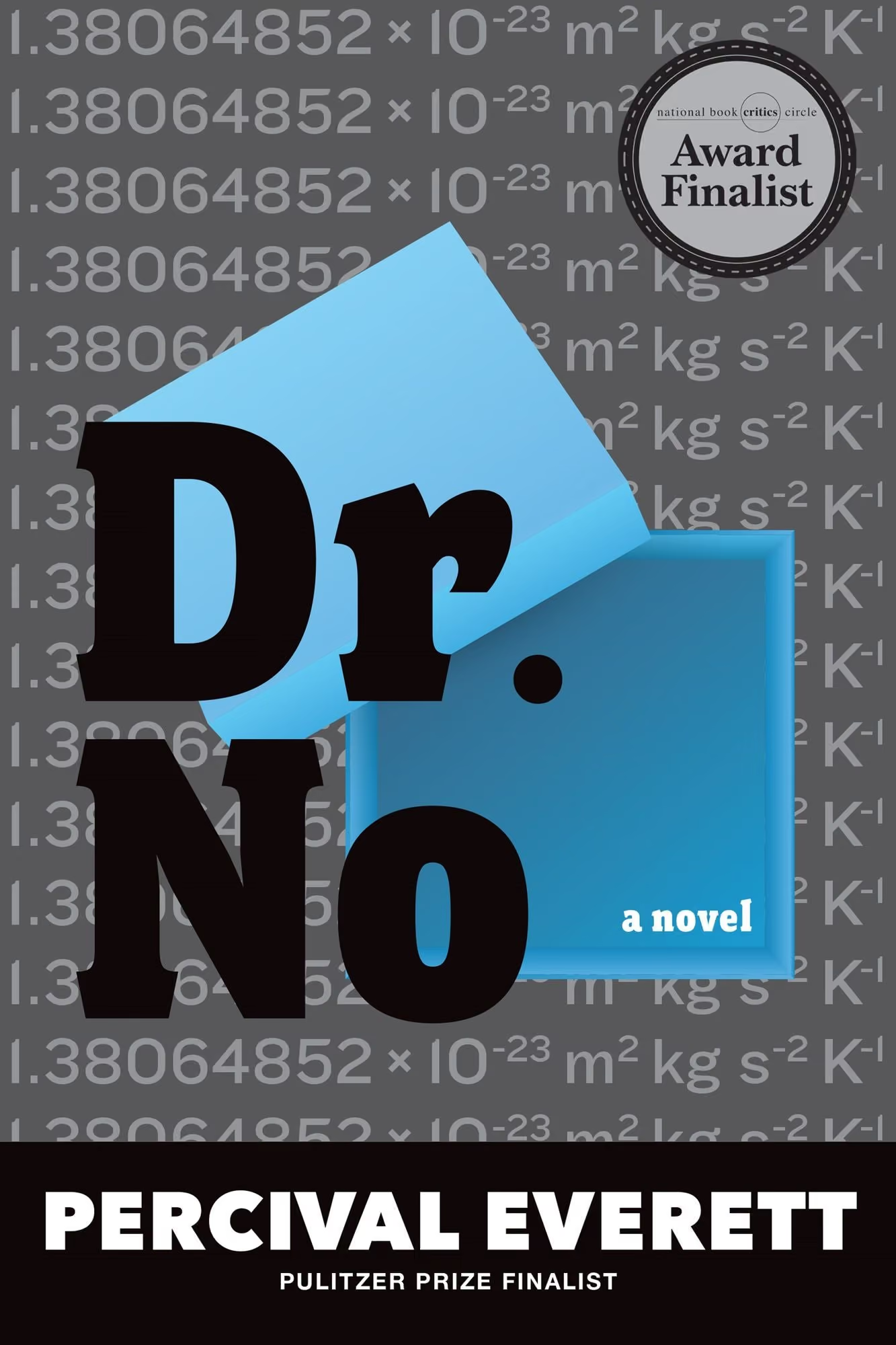
If you were drawn to the surreal logic and offbeat investigations of Ray Bradbury’s strange detective stories, Dr. No offers a similarly disorienting pleasure. Everett’s novel follows a mathematics professor pulled into a heist that quickly unravels into philosophical absurdity, wordplay and narrative misdirection. Like Bradbury at his most playful and uncanny, Dr. No treats genre as a loose frame. It’s less about solving a mystery than exploring how meaning itself slips, doubles and refuses to settle. It’s sharp, strange and quietly profound.
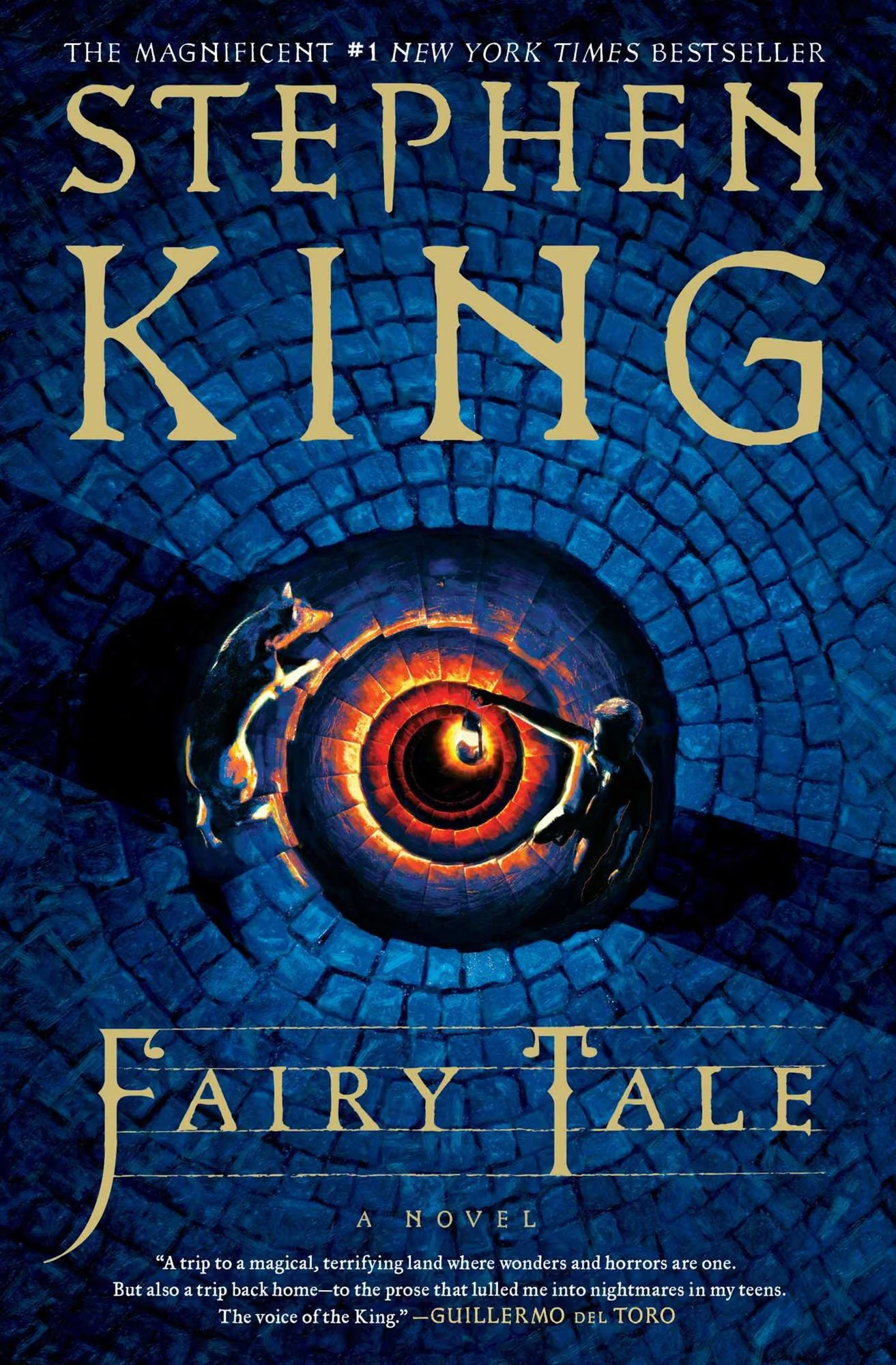
Charlie Reade inherits the keys to a hidden world where darkness threatens both magical and human realms. As Charlie navigates this dangerous new reality, he must confront personal loss, courage and the moral choices that define him. King blends coming-of-age storytelling with high-stakes fantasy, exploring themes of heroism, friendship and resilience. Bradbury allusions abound throughout the novel!
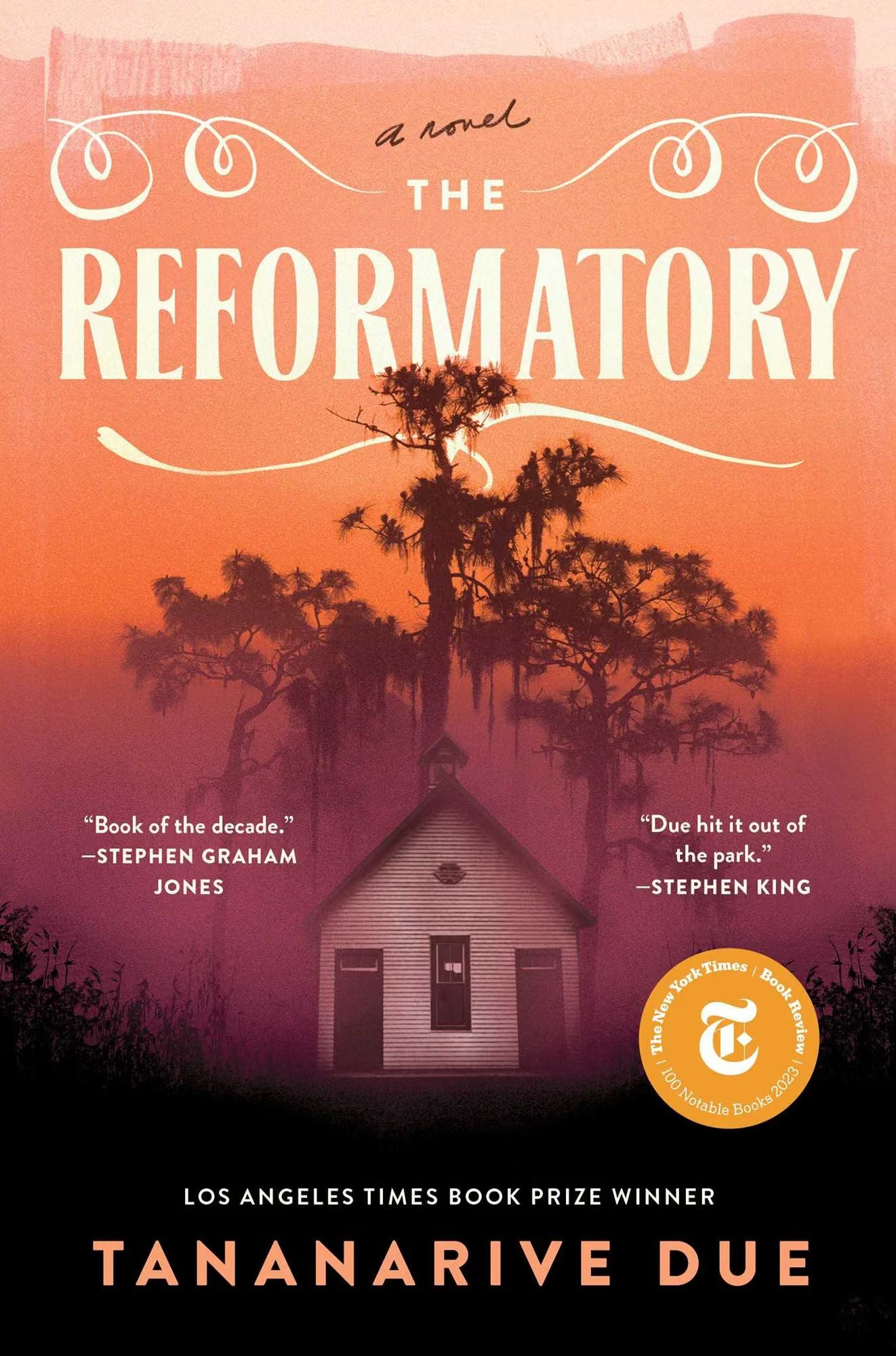
This novel follows twelve-year-old Robbie Stephens Jr., who is sent to the Gracetown School for Boys in Jim Crow Florida after defending his sister. What begins as a seemingly routine sentence becomes a confrontation with systemic racism and brutality. Robbie’s sister works to secure his freedom as the forces within the reformatory reveal themselves to be both physical and supernatural. Due uses historical horror to expose deep injustices while grounding the narrative in family, resilience and the long shadow of America’s past. It’s a haunting exploration of memory and survival that I highly recommend.
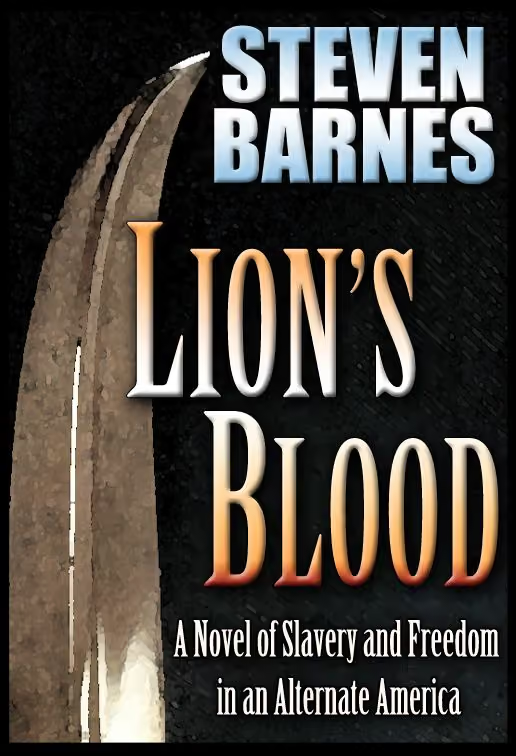
This novel imagines an alternate America in which Islamic African powers dominate the New World and Europeans are captured and sold into slavery. The story follows Aidan O’Dere, taken from his home as a boy and sold to the Wakil of a great plantation, and Kai, the Wakil’s son, who becomes both his master and reluctant friend. Barnes uses this inversion of history to examine slavery, power and identity while following their complicated relationship as they grow into adulthood and confront war and freedom in a world both familiar and incredibly strange.
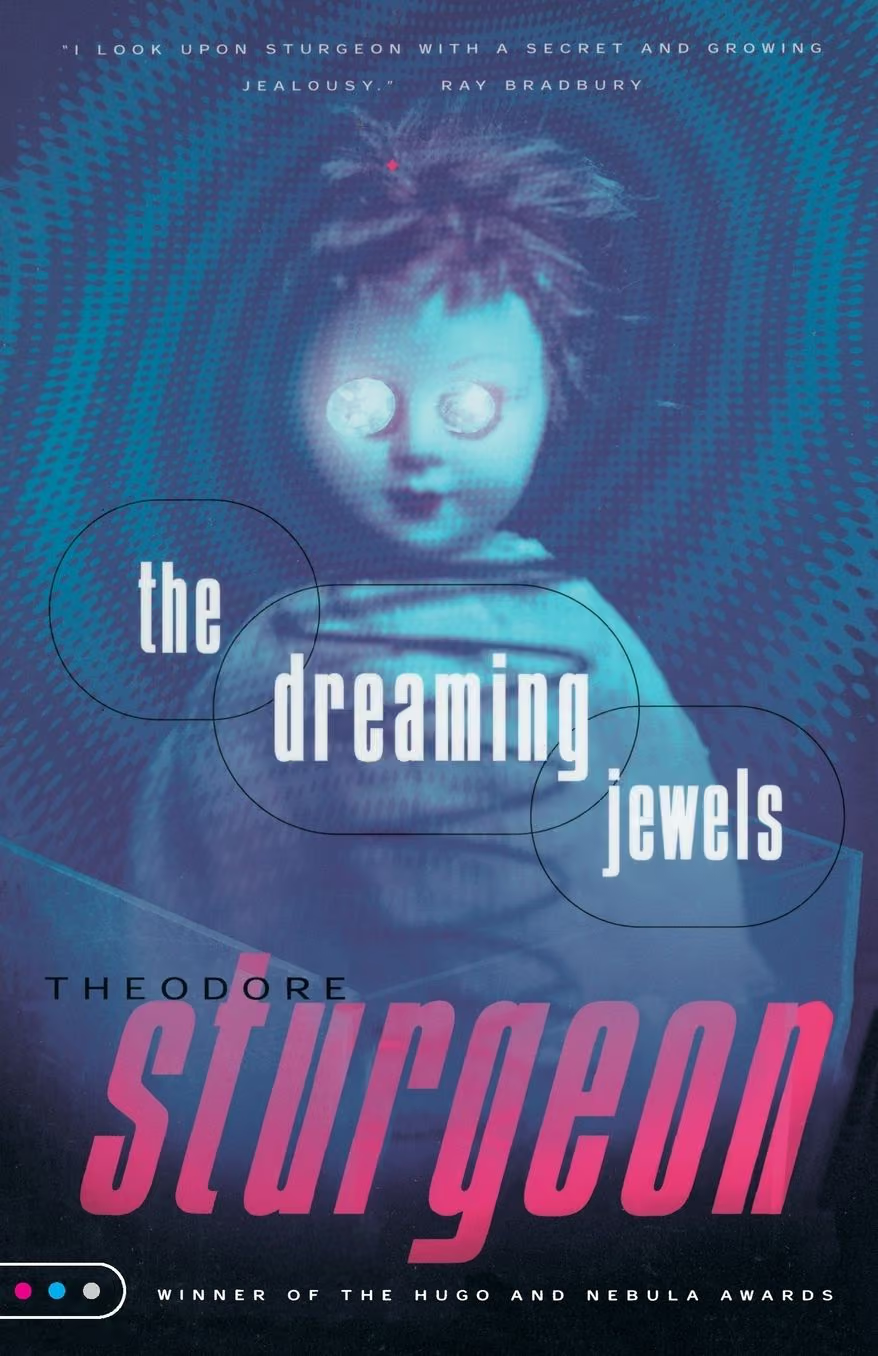
This short novel blends coming-of-age drama with speculative imagination. The story follows Horty Bluett, an abused boy who runs away from home and finds refuge among a travelling carnival, only to discover that the jewel-like life forms in their midst hold mysterious powers and hidden dangers. Sturgeon explores themes of belonging, difference and humanity with compassion and depth, capturing both the wonder and fear of encountering what we do not yet understand. A close friend of Ray Bradbury, Sturgeon shared a similar imaginative sensibility.
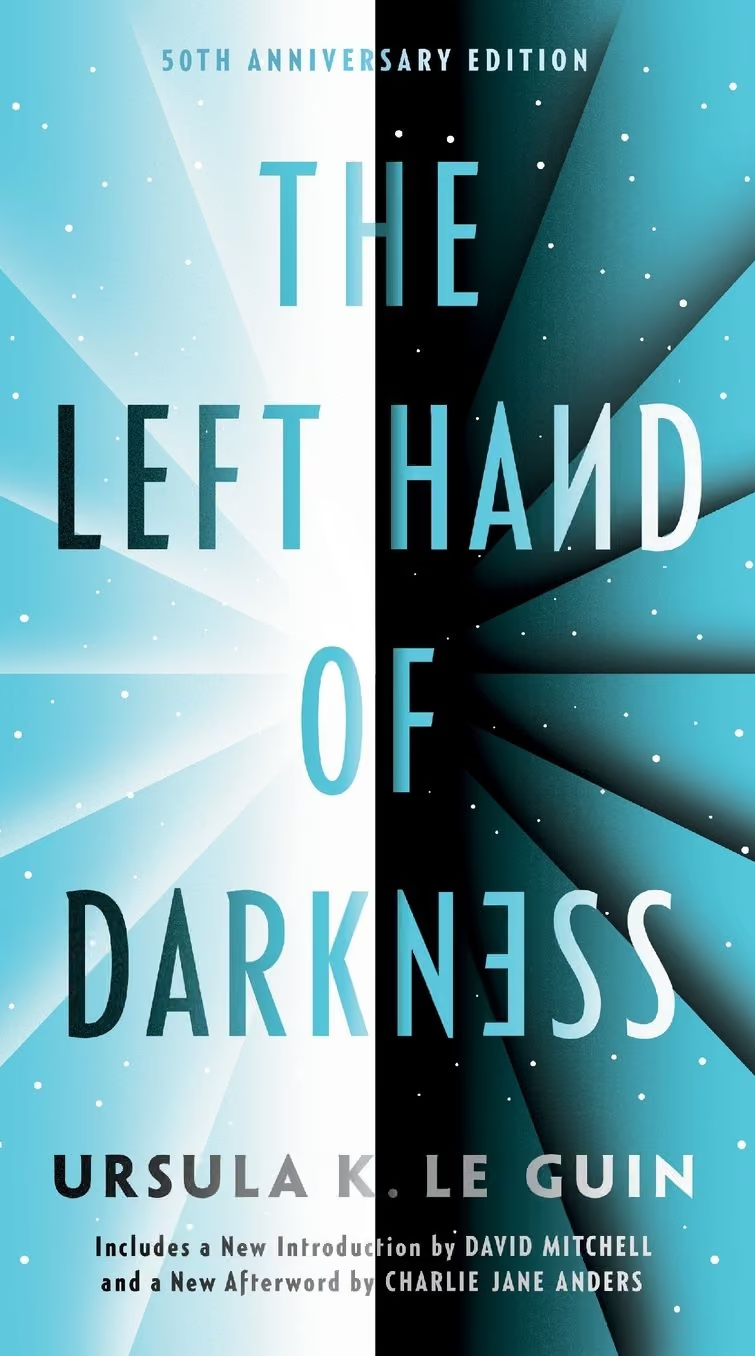
A landmark work of science fiction that explores gender, politics and identity on the icy planet of Gethen. Through the eyes of an envoy from another world, the novel examines how social and biological constructs shape perception, loyalty and survival. Le Guin’s prose is precise and thoughtful. For readers interested in literature that challenges assumptions about society, self and otherness, this novel offers both a compelling story and a meditation on empathy, cultural understanding and the fluidity of human experience.
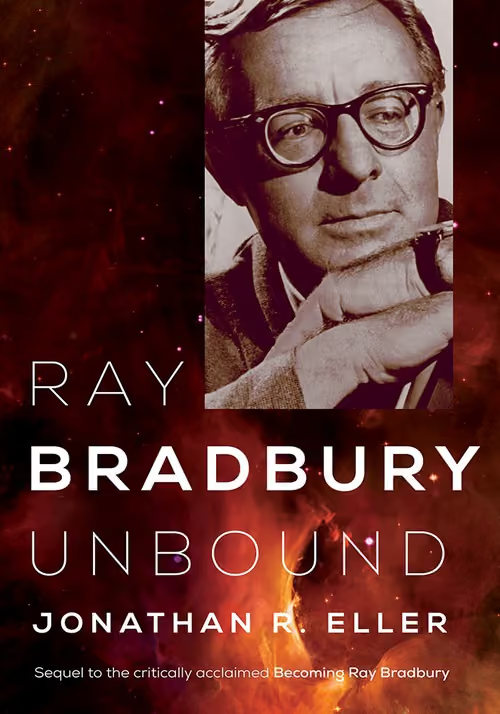
Following the story begun in Becoming Ray Bradbury, this second volume shows how Bradbury evolved from a master of short fiction into a multimedia creative force and cultural commentator. Eller uses extensive interviews and access to personal papers to trace Bradbury’s work in film, television, essays and advocacy for the space age. The book reveals how Bradbury’s imagination and public presence shaped not only his own legacy but also broader ways of thinking about literature and technology, making it essential reading for anyone seeking to understand the full scope of his impact.
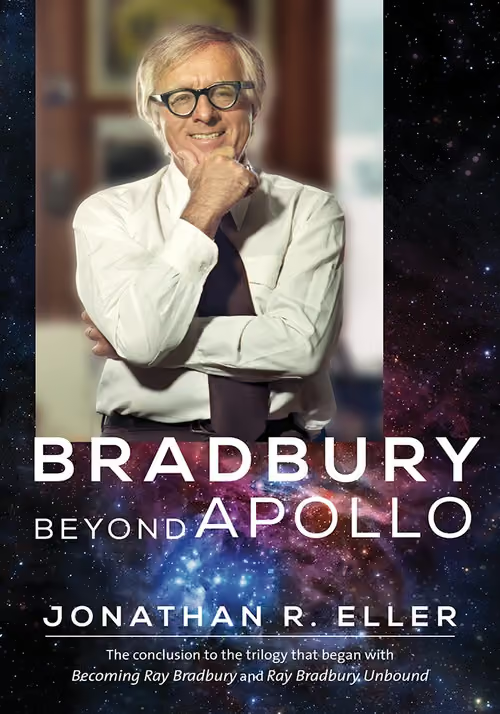
The final volume in Eller’s definitive biography traces Bradbury’s life and work from the late 1960s through the end of his career. Drawing on interviews, personal papers and archival material, Eller shows how Bradbury’s imagination expanded into nonfiction, public lectures, television and film projects, narration for space-age institutions and reinterpretations of his classic stories. The biography also reveals the tensions between celebrity and creative passion. For readers wanting a deeper understanding of Bradbury’s later years and his enduring influence on culture and space exploration, this is the best, most definitive text on Bradbury’s later life.
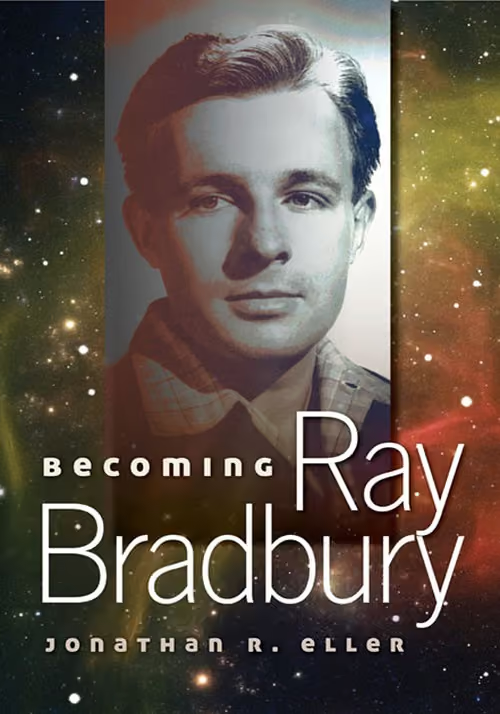
An engaging biography that traces how Ray Bradbury grew from an avid reader in Waukegan, Illinois, into one of America’s most imaginative writers. Eller draws on unpublished correspondence, personal papers and interviews to show how Bradbury’s early influences, creative struggles and evolving sense of authorship shaped his distinctive voice. The book highlights the emotional, intellectual and cultural forces that informed Bradbury’s development and helps readers understand the motivations behind some of his most enduring works. Anyone who wants to become a writer should read this first volume of Eller’s biographical trilogy.
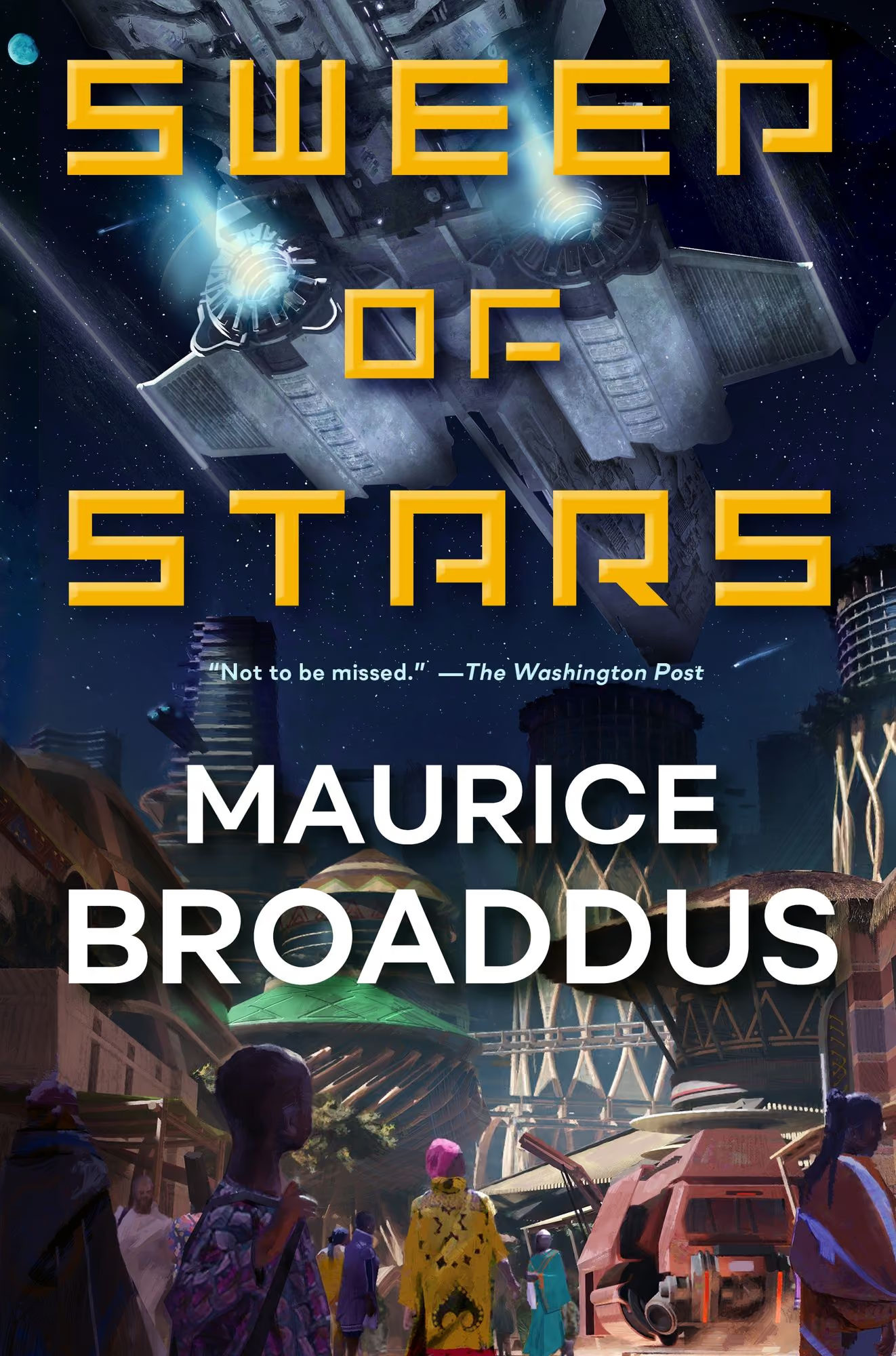
Sweep of Stars imagines a future in which the Muungano empire, born from people who left Original Earth to escape war and oppression, has built thriving communities across the Moon, Mars, Titan and beyond. The novel follows a broad cast of characters as they confront internal intrigue, external threats and the challenge of holding fast to shared values while facing forces that would undo everything they have built. The story blends sweeping space opera with deep reflections on heritage, community and identity, inviting readers to consider what it means to shape a just future among the stars.
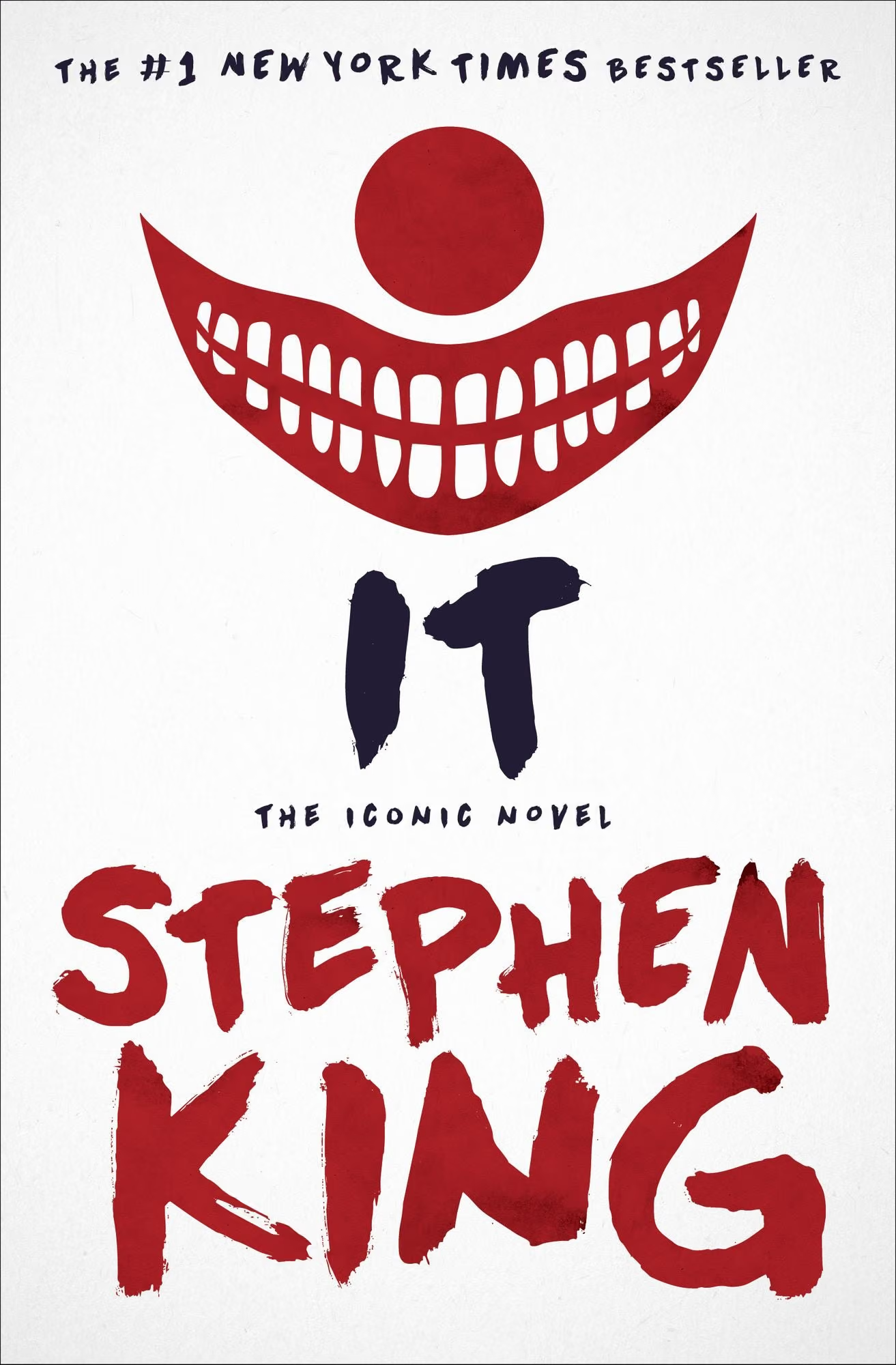
Stephen King’s IT blends coming-of-age narrative with supernatural dread, following the Losers’ Club as they confront a shape-shifting evil that preys on fear itself. Like Ray Bradbury’s Something Wicked This Way Comes, it explores the intersection of childhood innocence and encroaching darkness, showing how external horrors and internal anxieties shape who we become. King’s work is as much about friendship, memory and the loss of innocence as it is about Pennywise the Clown’s terrifying forms. I highly recommend reading Something Wicked and then reading King’s IT. The parallels between the structure of each novel demonstrate Bradbury’s profound influence on King.
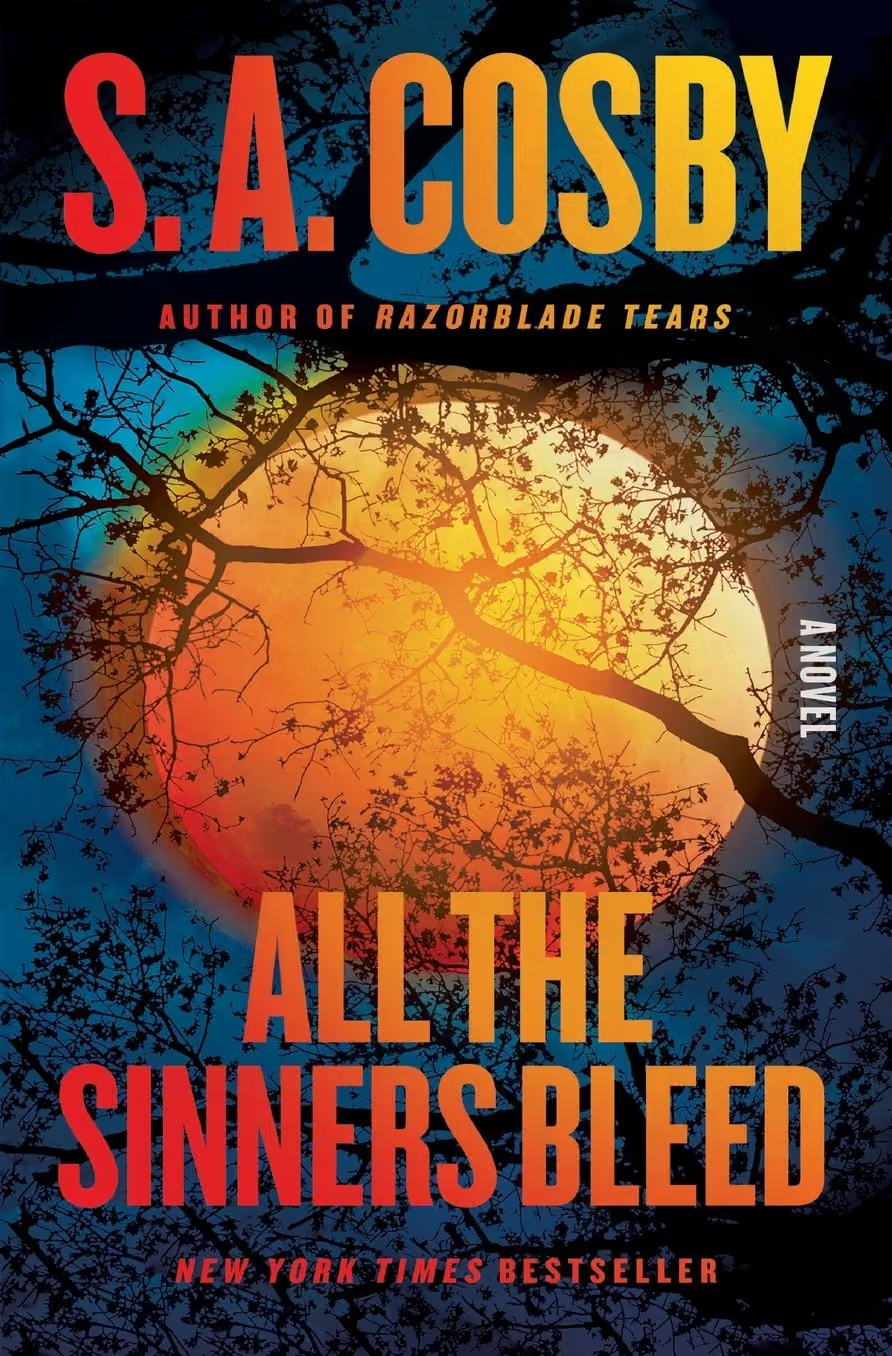
All the Sinners Bleed is a Southern noir that marries high-stakes crime thriller with sharp social insight. Set in a small Virginia town roiled by violence and hidden histories, the novel follows Titus Crown, the first Black sheriff of Charon County, as he hunts a brutal serial killer while navigating the tangled legacies of race, faith and community. Cosby’s prose is muscular and unflinching, but it’s the depth of character and moral complexity that make this worth reading.
This is the first book I re-read. This was the first book I shared with my friends. This is the first book that helped me define myself from the other kids on the playground! Short, snappy stories with absolutely gruesome illustrations that nestled into my unconscious, this book showed me the fun and power of storytelling.
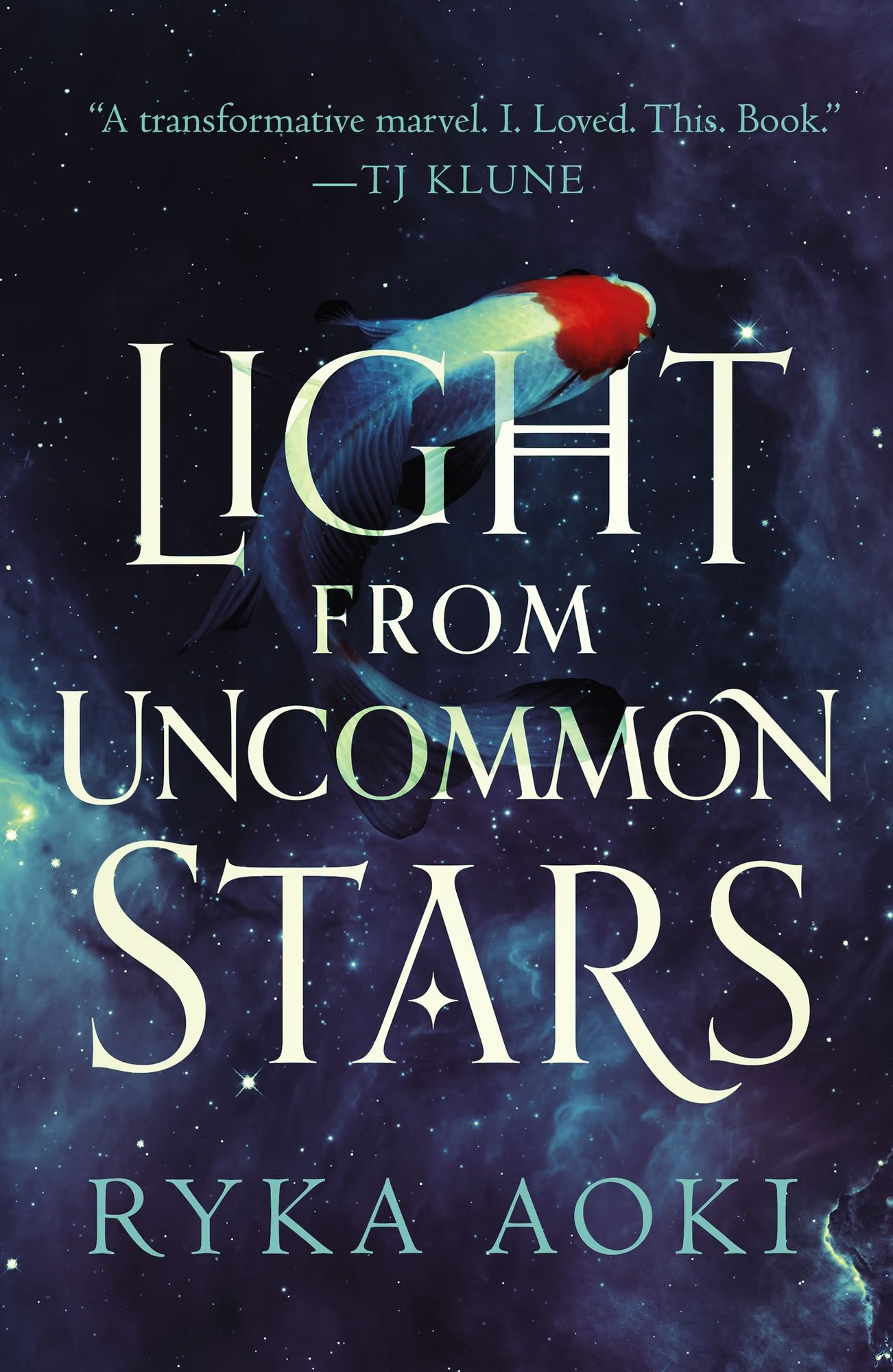
Man, where do I begin to describe how this book makes me feel?! It’s a novel that looks to the stars while also staying grounded in its full acceptance of humanity. It is a reminder to look beyond the surface of people, to stay curious, and to stay open to the infinite possibilities of every encounter, with food, people, music, you name it! A marvel of a novel that I know Bradbury would find wildly imaginative and relatable.
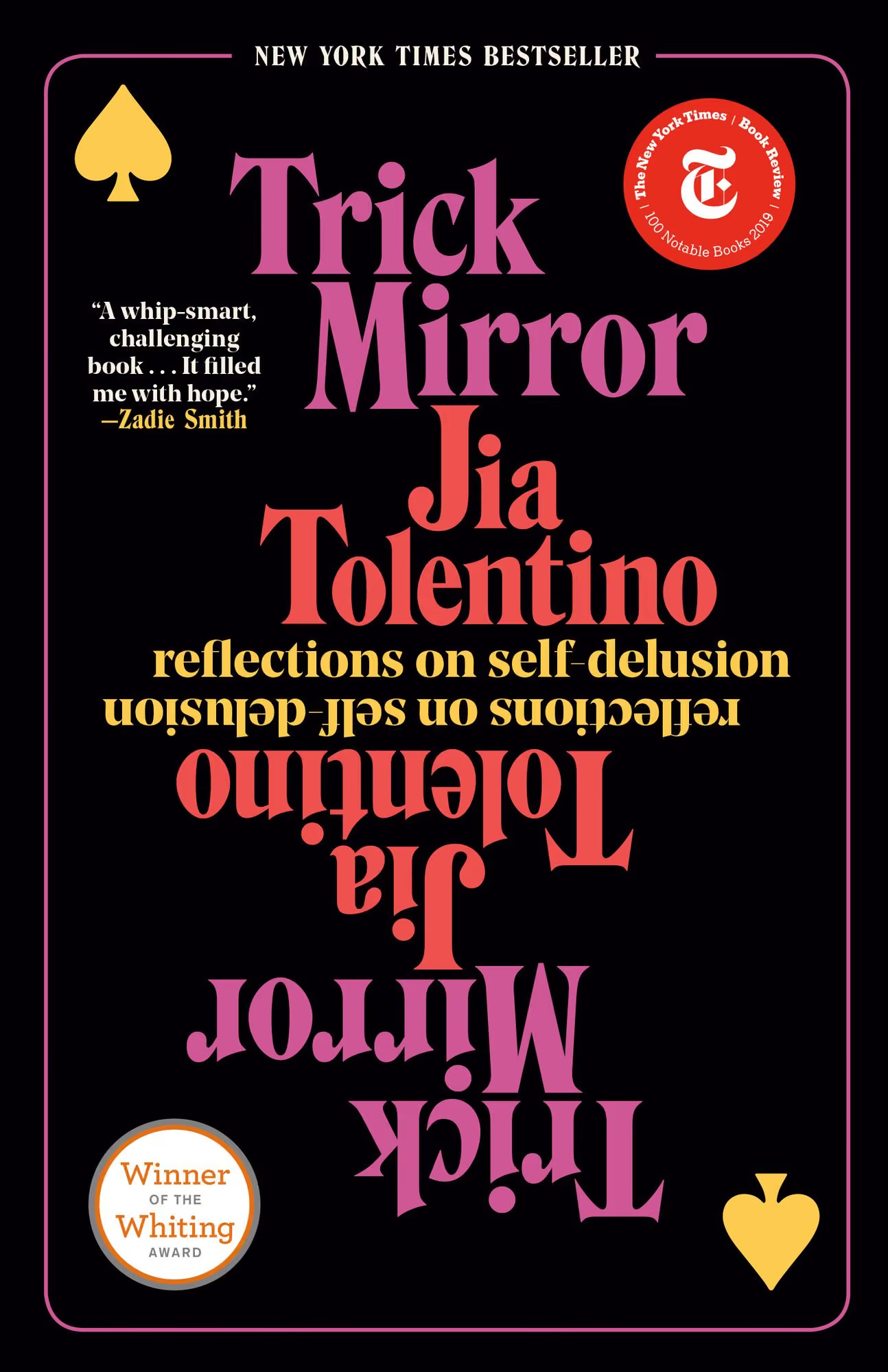
In my former life as a sauce maker and manager of a coffee shop, I routinely listened to books while doing “mindless” manual labour. This was the last book that really engaged my own memory and personal myth-making, which Tolentino’s text actively demonstrates. Her connections to both low and high popular culture, and how it works to define the individual, really struck me.
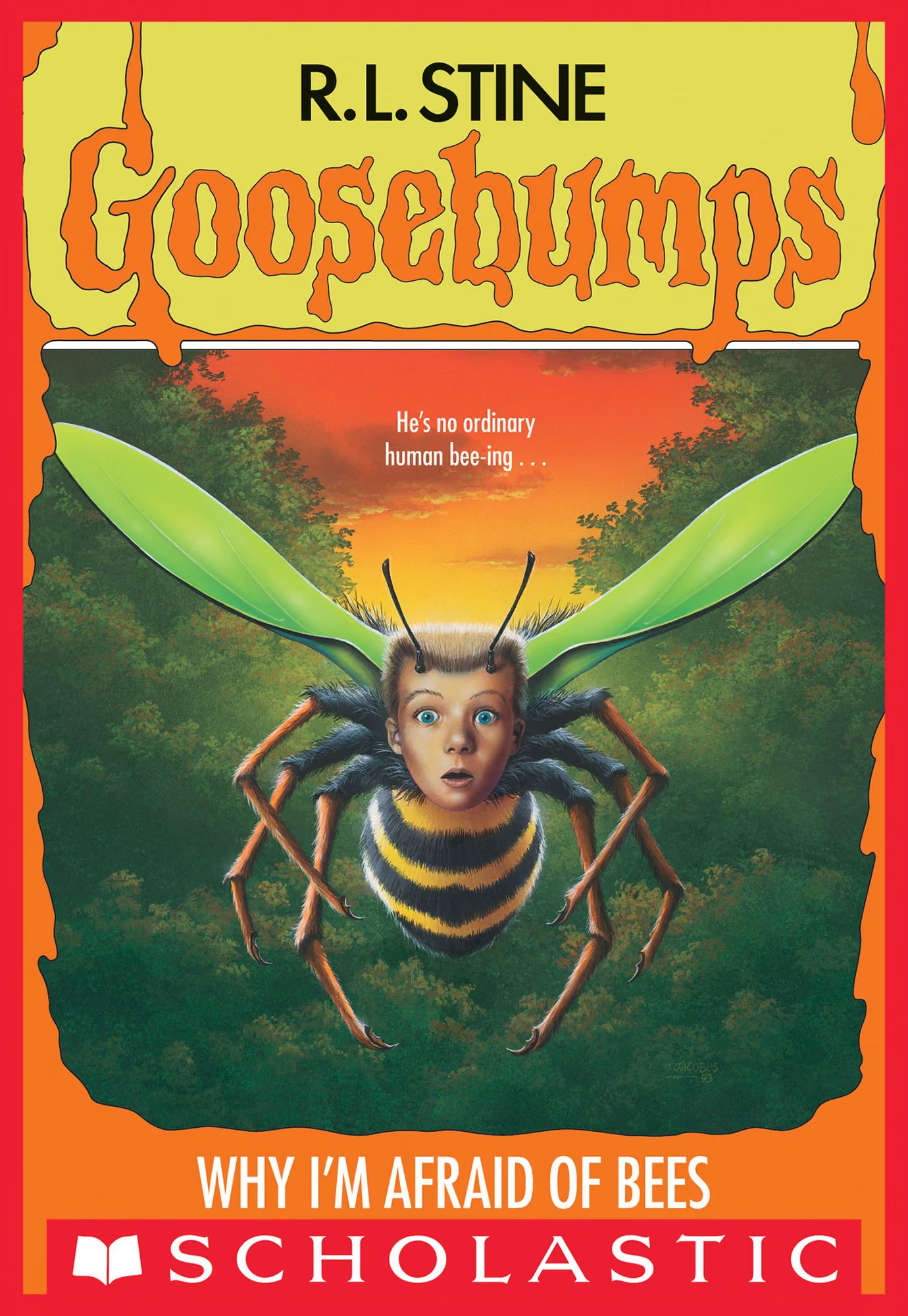
When I picked up my first Goosebumps book, I had no idea the impact it was about to have on me. I read so many I started having weird dreams, and even then I kept on reading them. Why I’m Afraid of Bees is the one I remember best. From R.L. Stine I jumped to Edgar Allan Poe to Stephen King to Ray Bradbury.
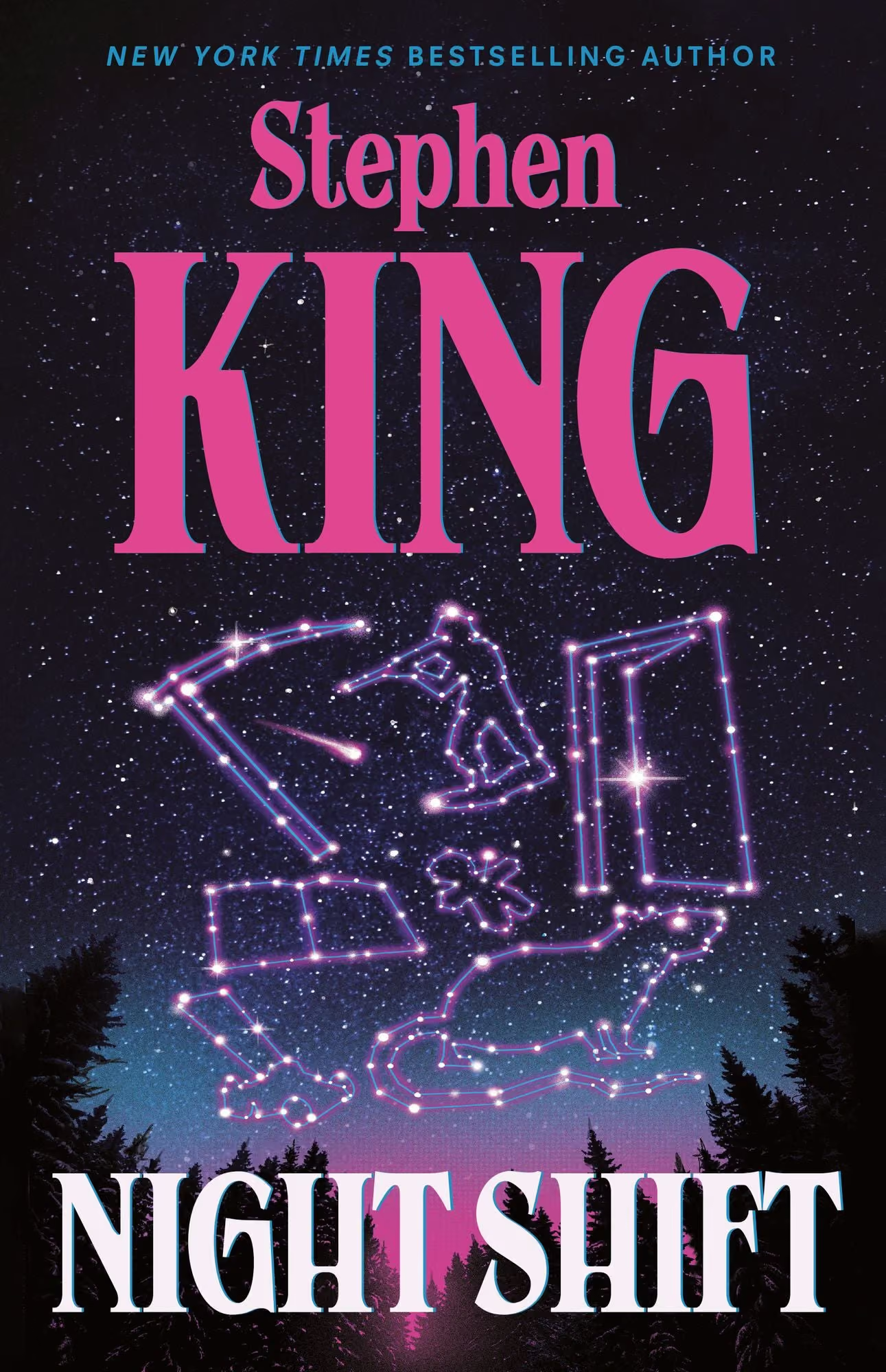
I revisit this collection of short stories every couple of years and it never ceases to delight me. I love King’s ability to take something very simple, trucks coming to life, a possessed laundry press, a satyr landscaper, and just run wild with it. The stories are imaginative and fun in a way that evokes early Ray Bradbury.
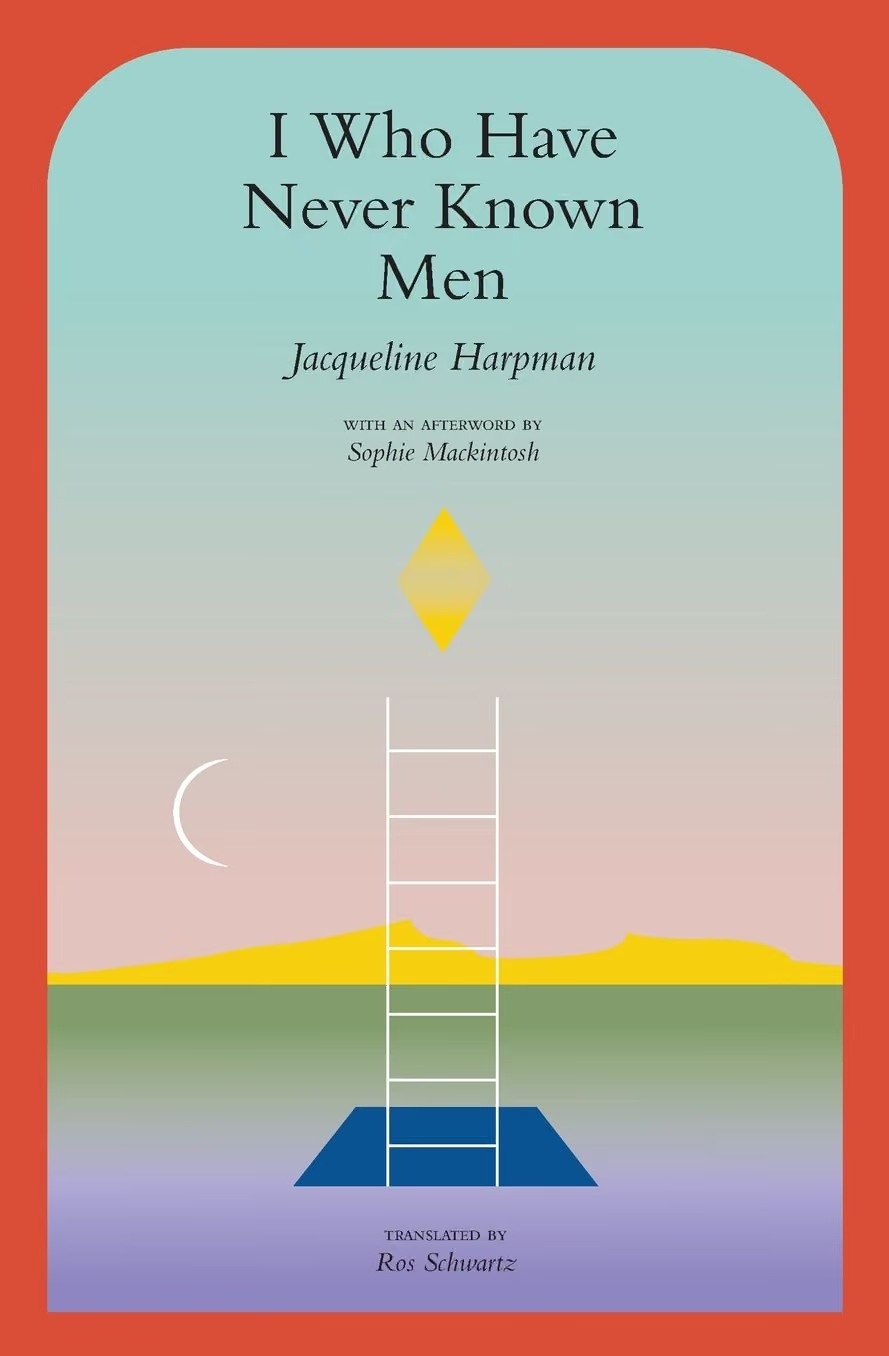
I read this book through in one sitting. Once I started I just couldn’t stop. This novel is about the power of stories and continuing on in spite of everything. It makes me think of Georgia O’Keeffe’s desert paintings, bleak yet somehow utterly serene and beautiful.
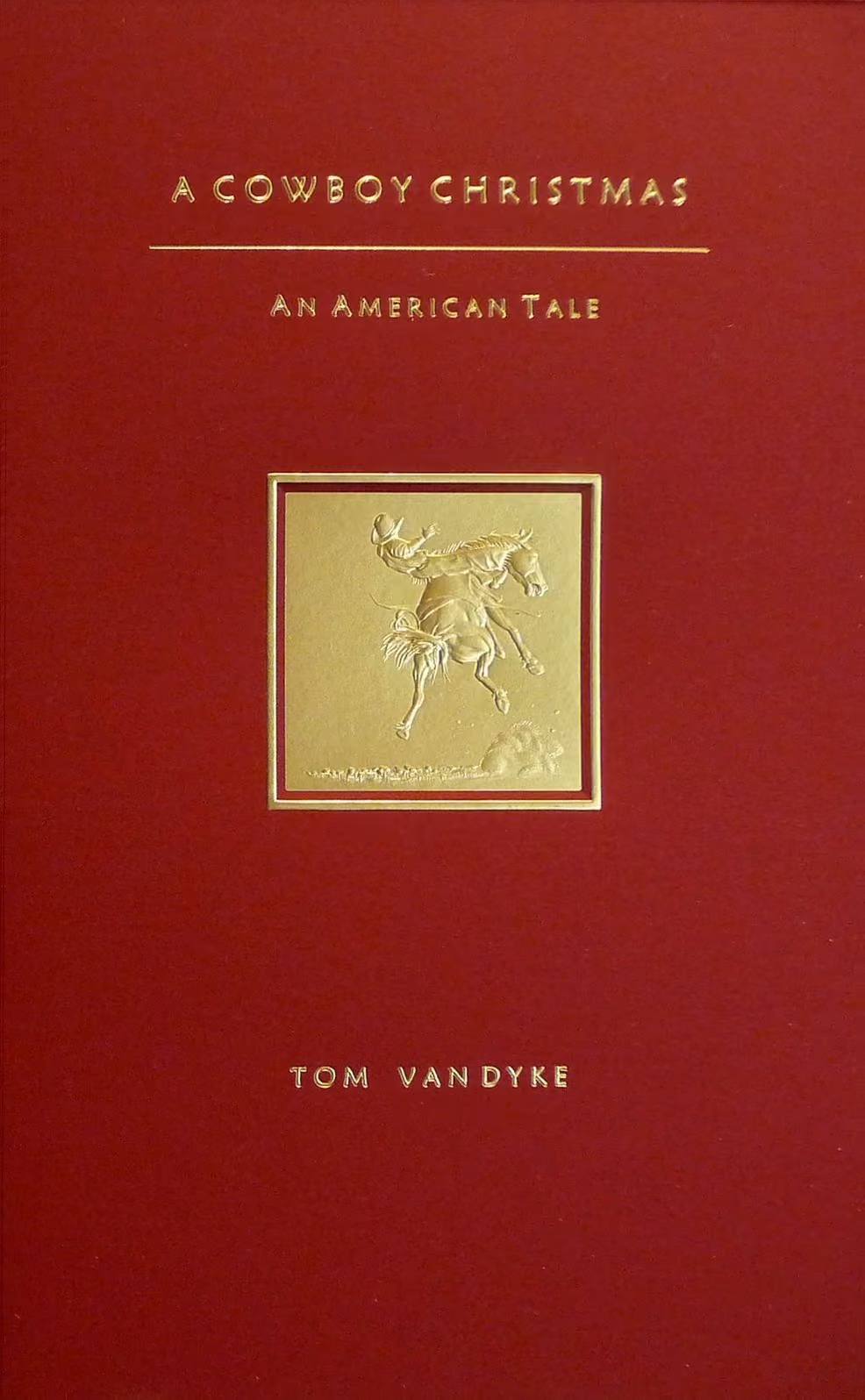
This novel is a reminder that just because there’s a goal in mind doesn’t mean it is all that matters in life. There are moments to be had in the spaces between one plot point and another, and A Cowboy Christmas is at its best when it dwells in those spaces.
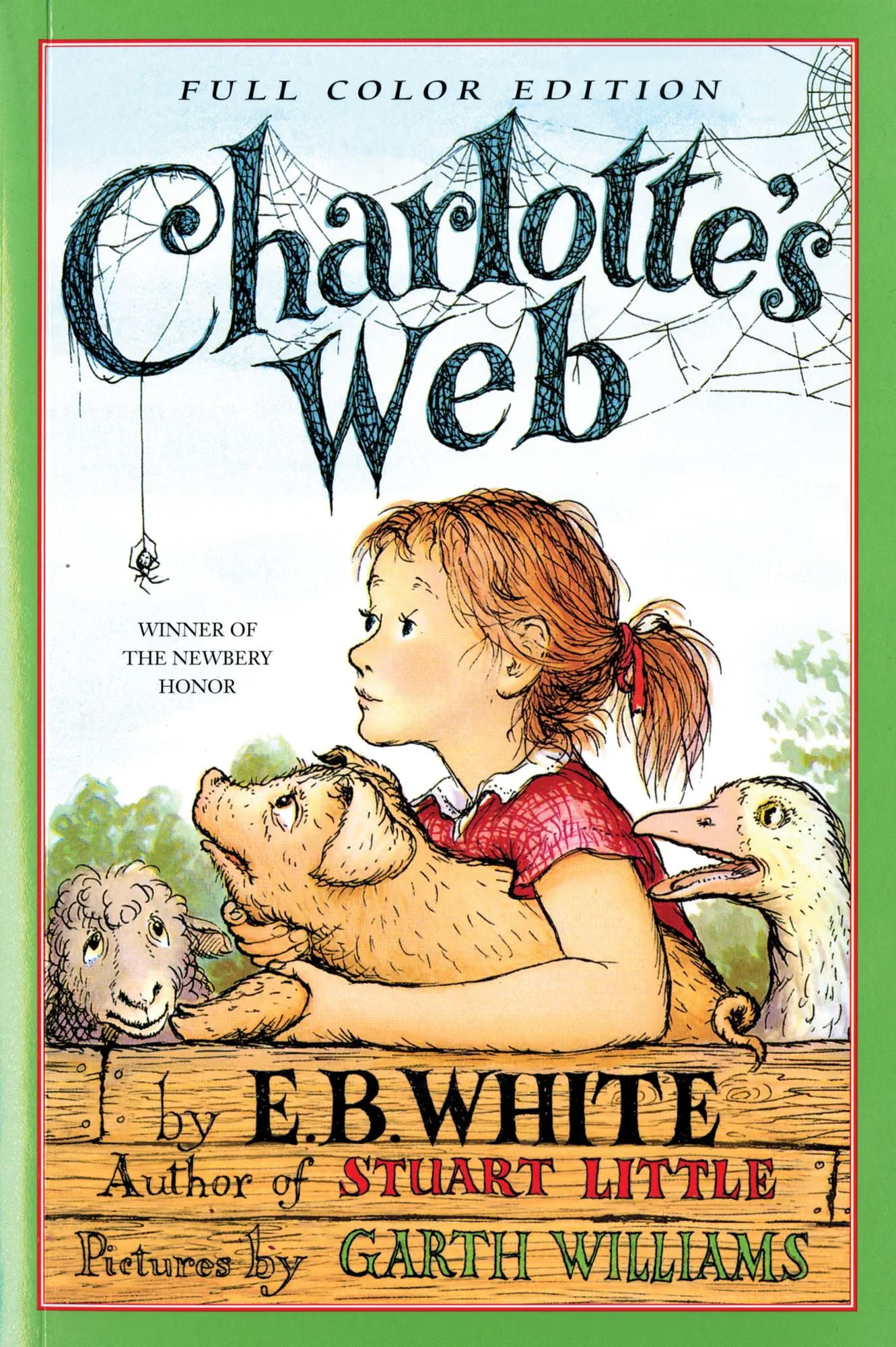
This was the first novel-length book I read on my own without anyone’s help, and it’s left me with more than a lifelong preference for pigs. Charlotte’s Web’s quiet love for every spider, rat and summer breeze is something I’ve tried to have in my everyday life. It’s a good read for anyone who believes a little empathy can go a long way. The accompanying 1973 animated movie is also a lifetime favourite.
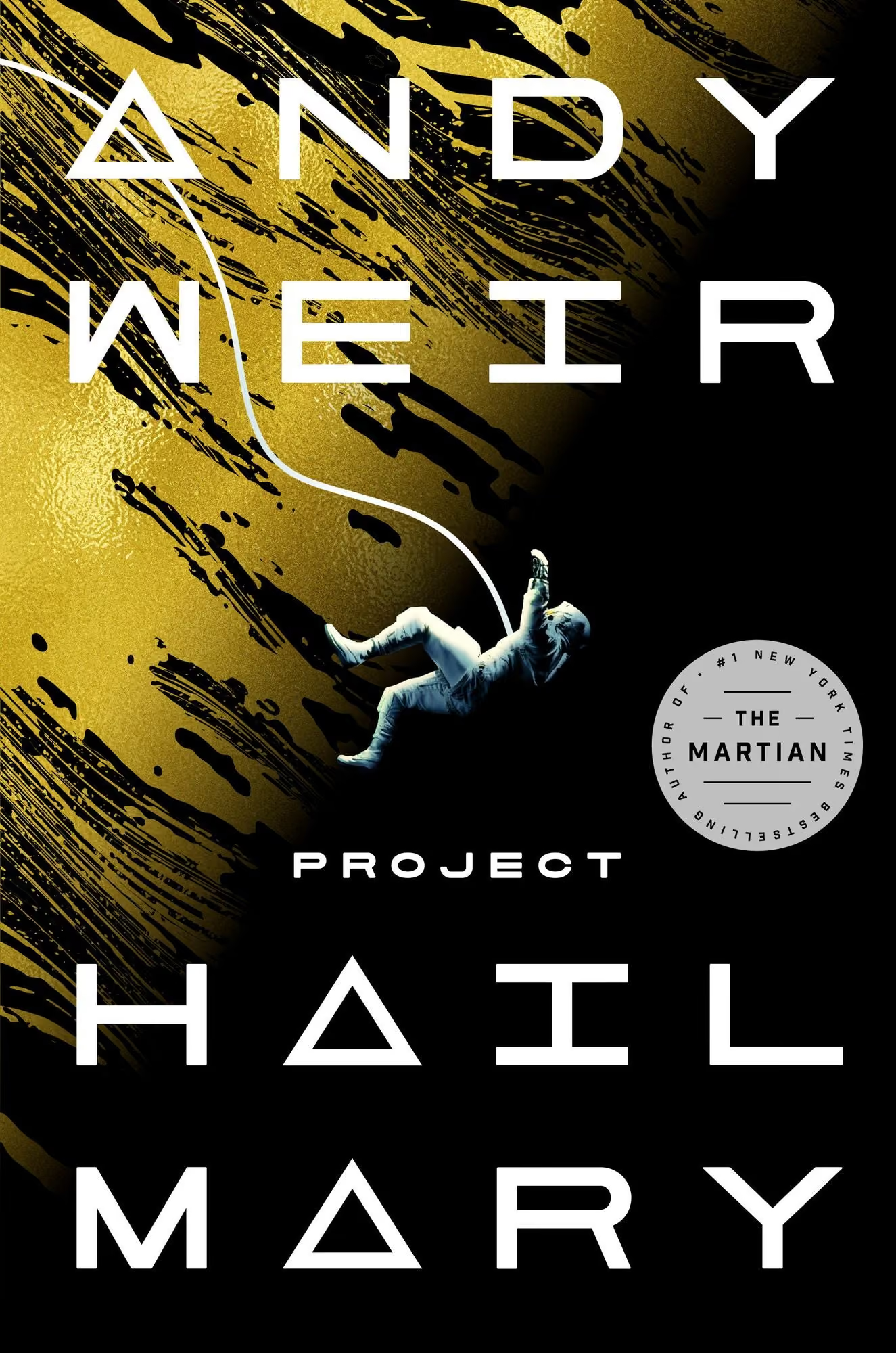
There’s a touch of Bradbury in any work of contemporary science fiction, and though there’s a touch more optimism in this novel than I’ve found in Bradbury’s space-set works, the innate curiosity that the cosmos brings out is present in every word. This book says that it’s okay to be afraid, but that the desire for discovery will always win out over the instinct to hide away.
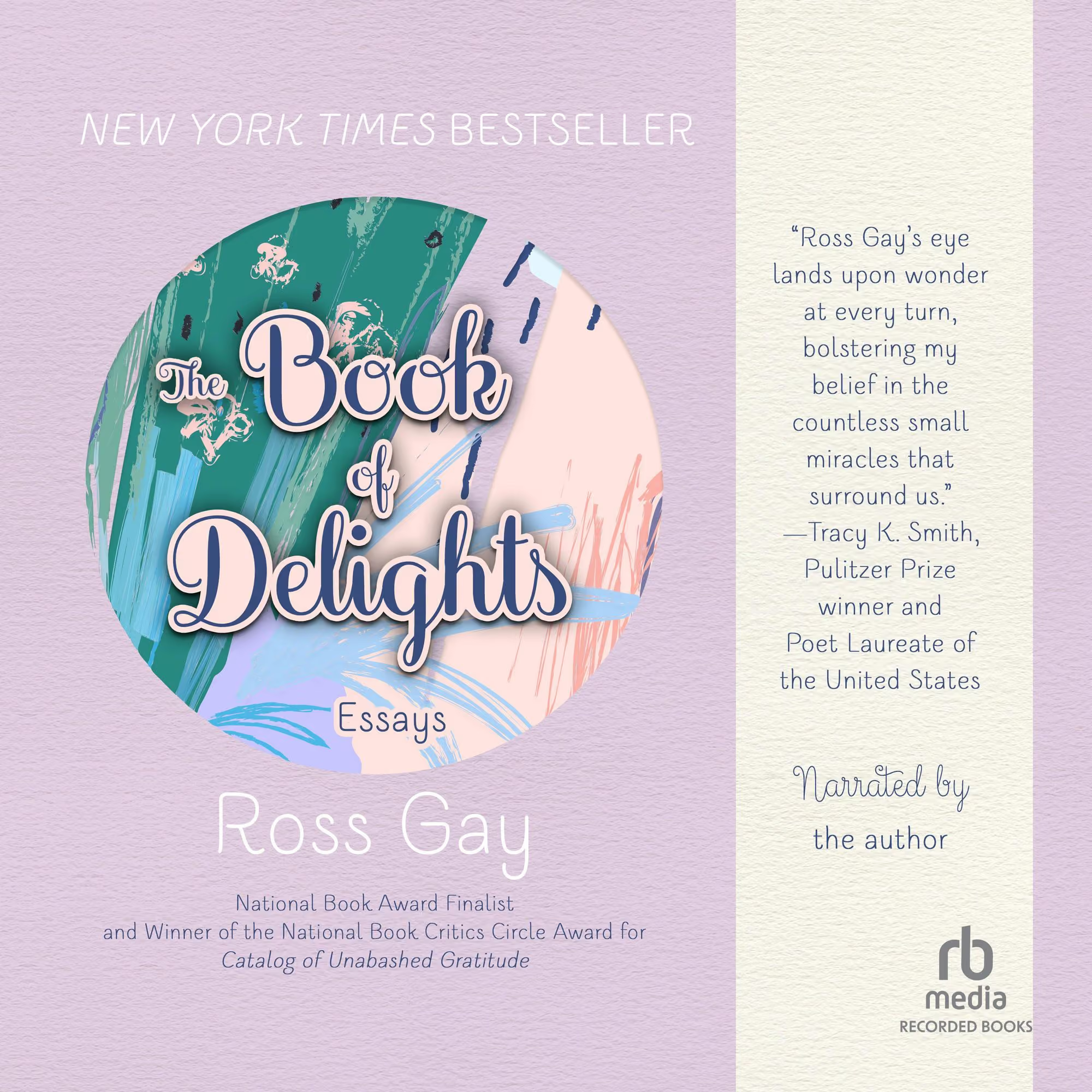
I recommend this book, well, always. I pick it up whenever I want to remember how to be awake to the world again. Ross Gay has a way of noticing things, small kindnesses, flashes of beauty, the strangeness of being alive, that makes delight feel like something we can practise, not just stumble into. Reading these essays feels like walking beside someone who is gently reminding you that wonder is still available. If you love Bradbury’s reverence for the fleeting and luminous, this book feels like an invitation to keep looking, keep feeling, keep saying yes. And then read The Book of (More) Delights and Inciting Joy. If you’re a fan of audiobooks, listen to Ross Gay read them. I promise you THAT’s a delight.
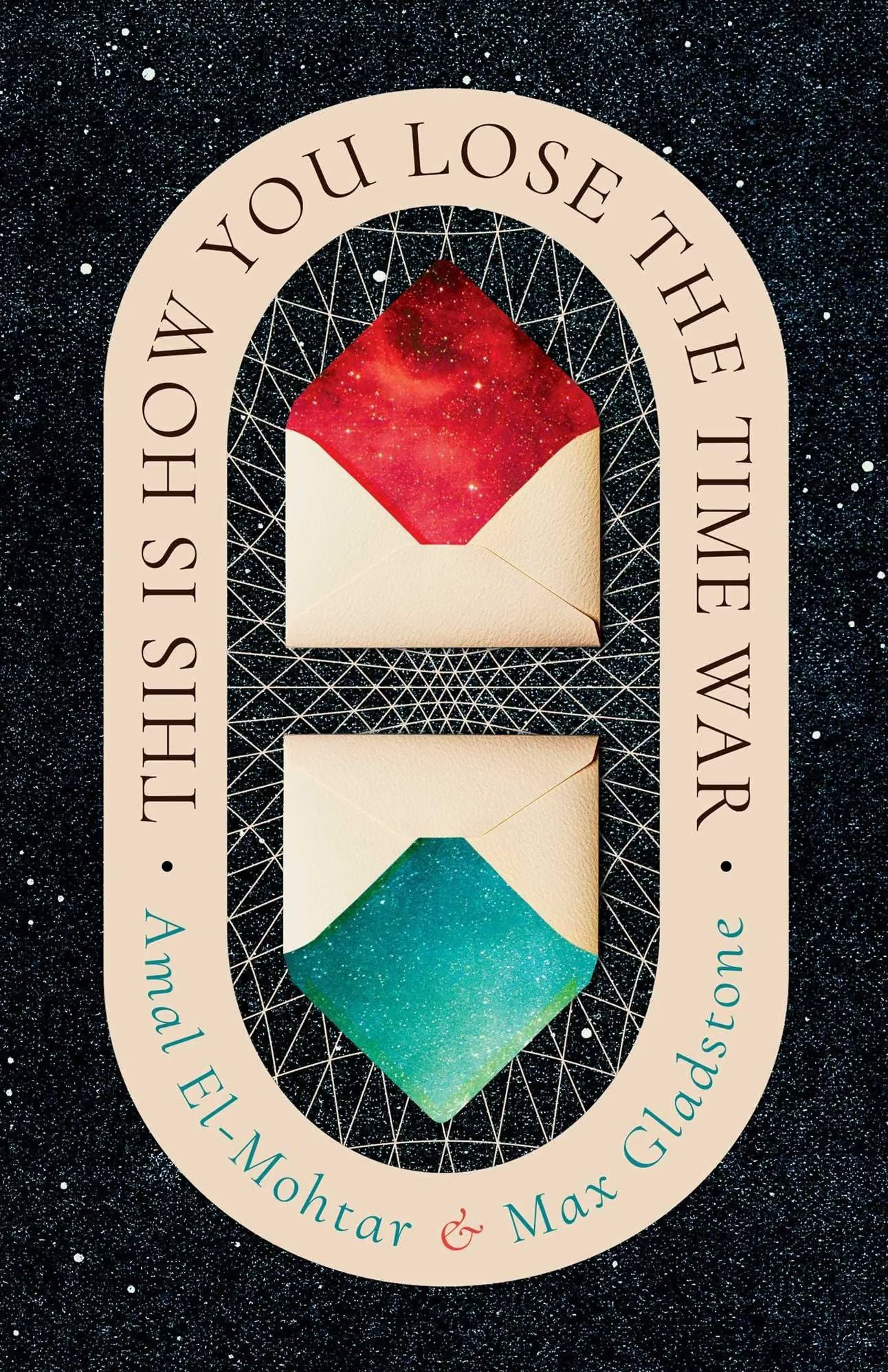
I loved this book in a way that hurt. It’s full of poetic longing, the kind that feels vast and private at the same time, and it kept reminding me how deeply I believe that connection can change the course of our lives. Beneath the time travel and the beautiful strangeness, I found something achingly human: the feeling of reaching toward someone across impossible distances. If you carry a deep curiosity about the paths we choose, the selves we become, and the fragile hope that love can rewrite us, this book lingers.
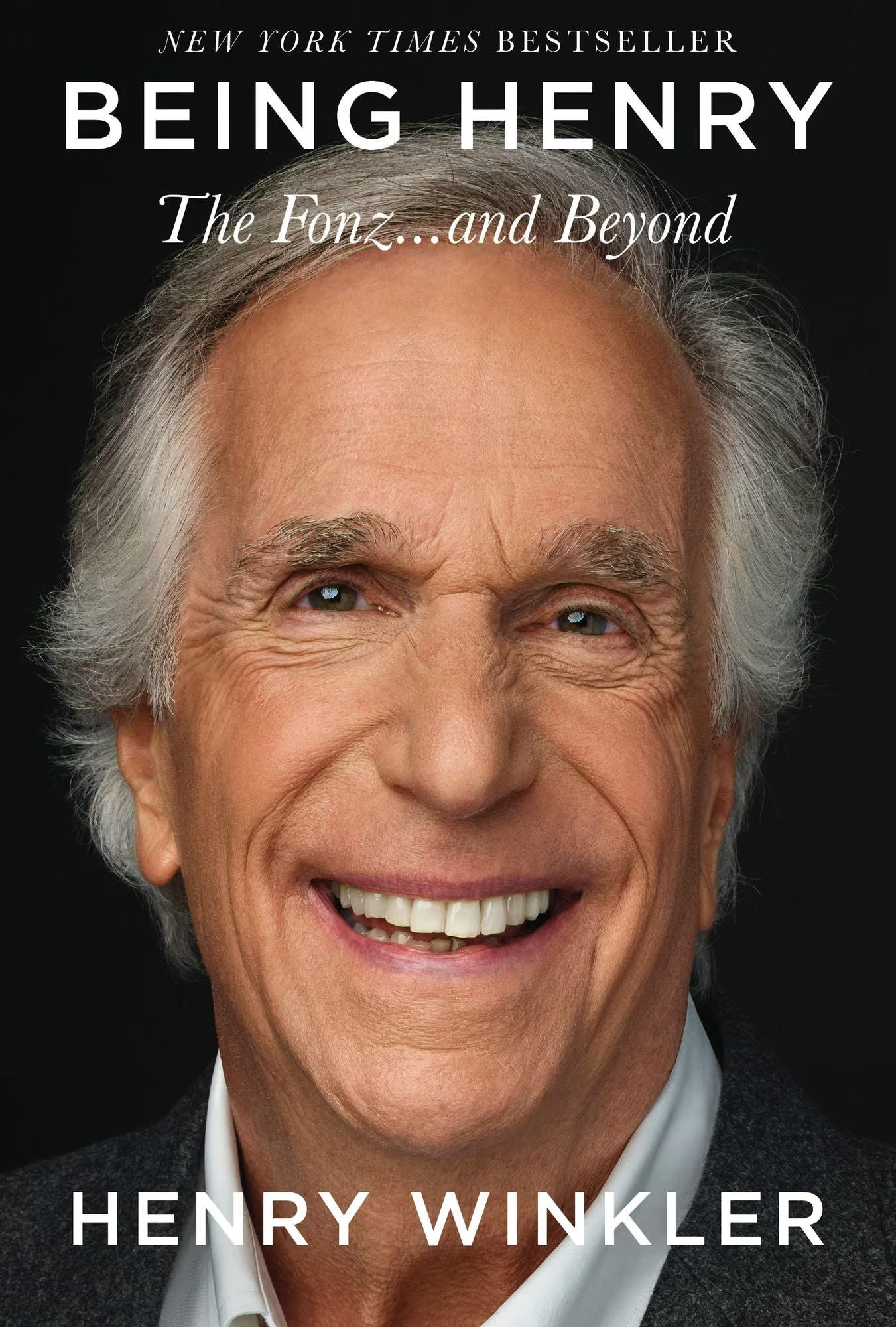
As a child of the ’70s I grew up watching Happy Days and The Fonz. A few years ago I watched Barry and discovered Winkler wrote this book. I listened to him read the audio version and was immediately enamoured with his easy manner and self-reflection. I was thrilled to spend the time with him and later listened to him read several of his children’s books.
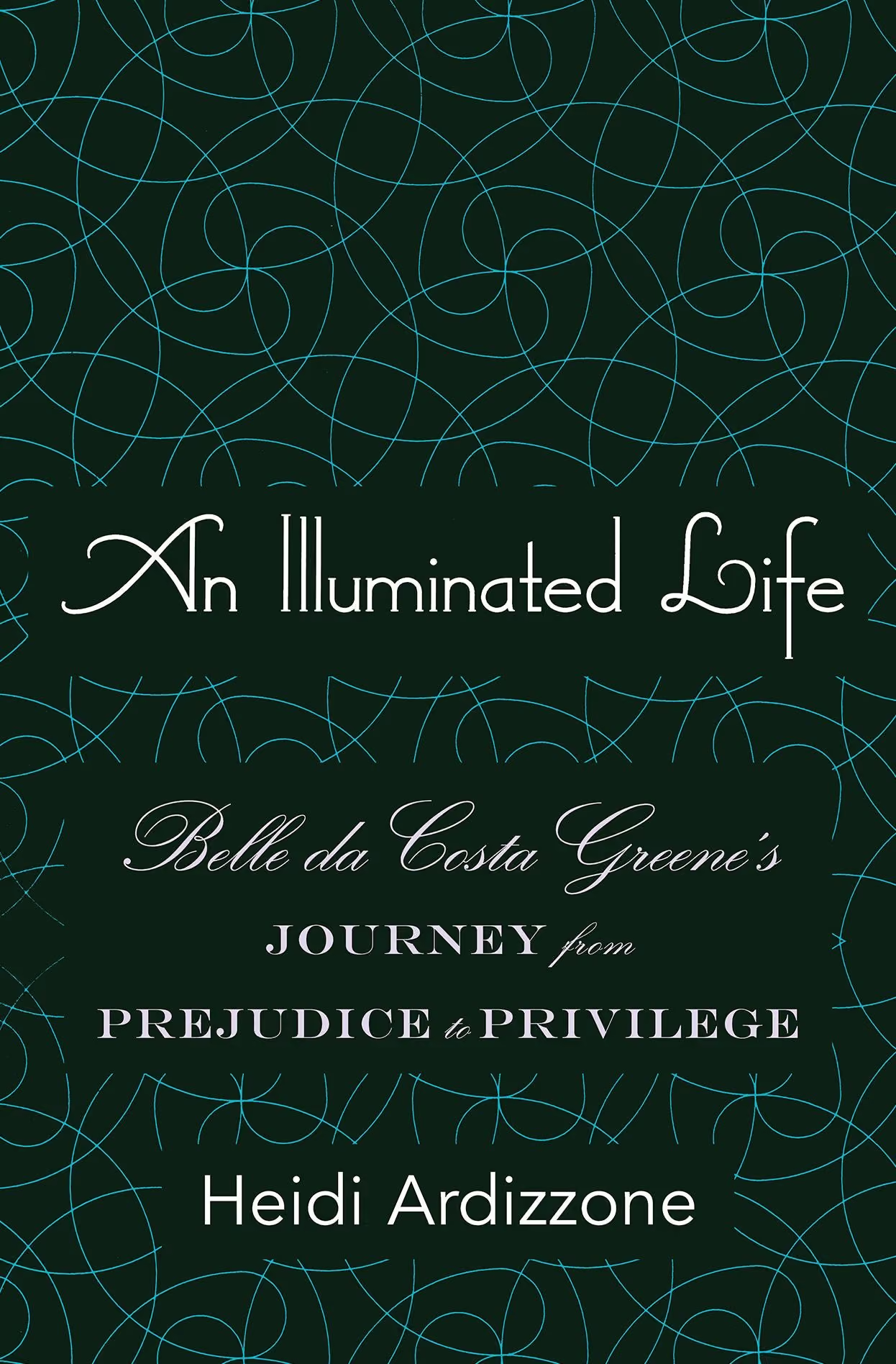
Fascinating history of an unsuspecting woman rising to the occasion to curate a book collection for one of the richest men in the world. So many stories apply: a single Black woman, international travel, creating and organising a library, researching and collecting the best books at the right price. Incredible! You can still visit the Morgan Library in NYC, which was the result of her amazing work.
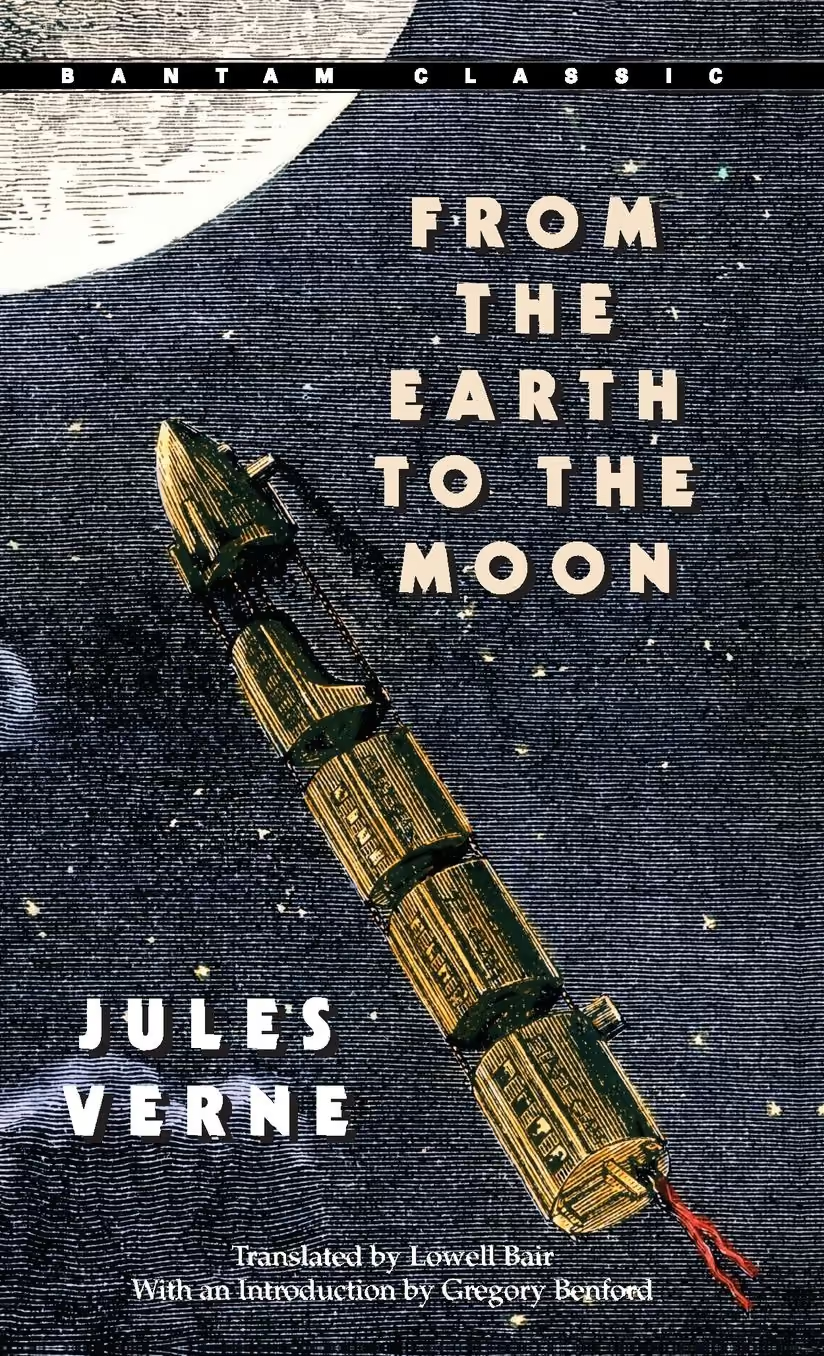
Terrific, fast-moving adventure tale that delights the reader with expressive ideas for space exploration. I read this during the pandemic and couldn’t have been more uplifted!
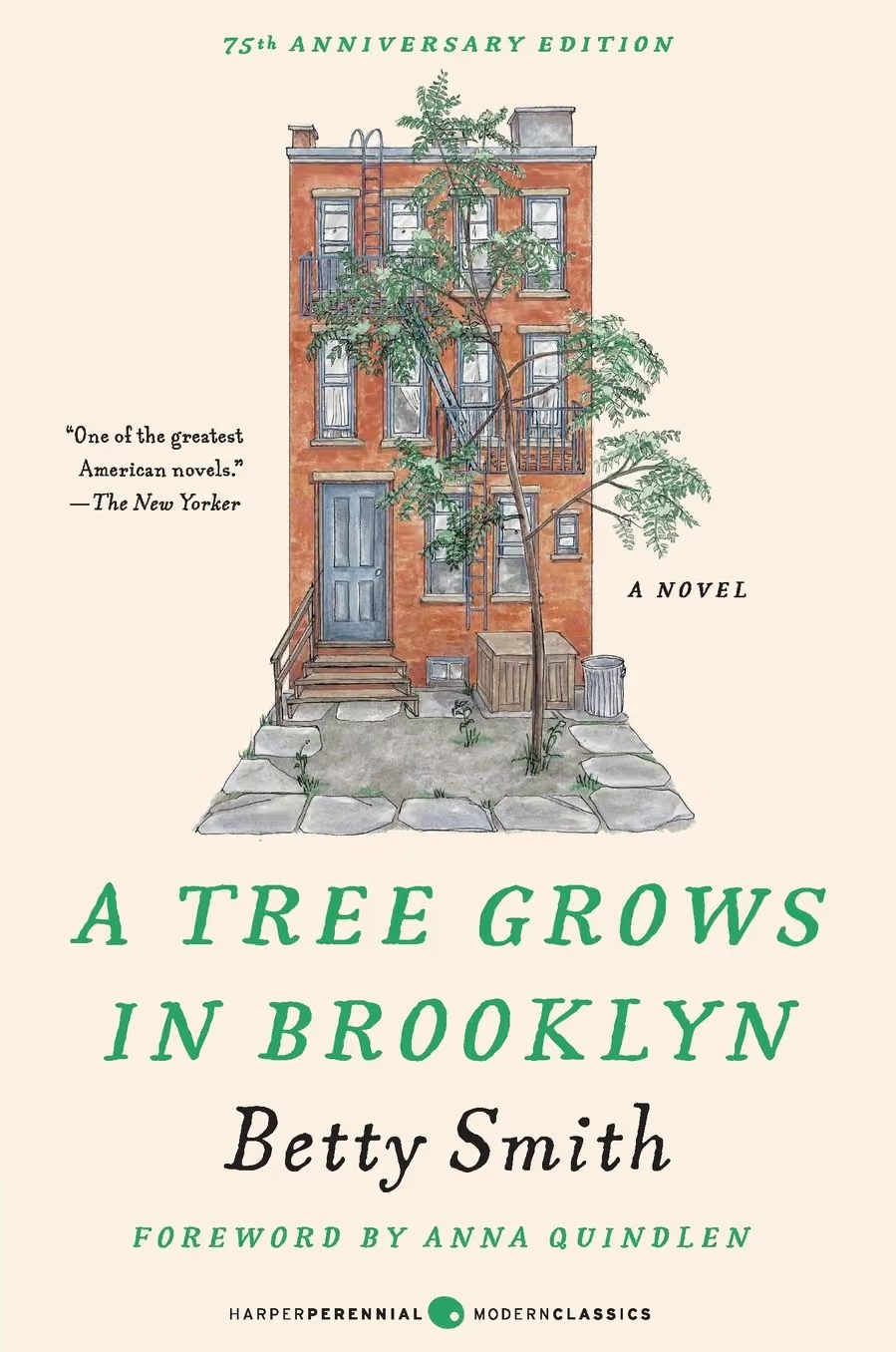
This was one of the first books that made me understand the depths possible in a rich reading life. My world felt very small when I was young, and Francie’s hunger for books, beauty, dignity and possibility felt, and still feels, like my own. My Gran gifted me this book and I return to it every few years because it reminds me that imagination can be a form of resilience, a way of growing beyond the boundaries of circumstance. If you’ve ever felt that insatiable curiosity, that deep longing for something larger than where you began, this book will meet you there.